


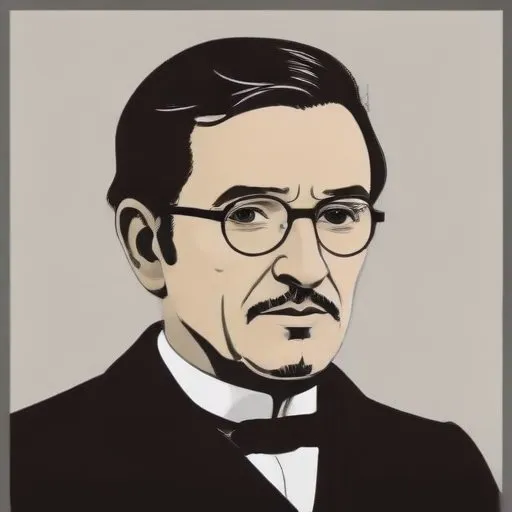
French historian and academic specializing in the history of slavery and colonialism, known for shedding light on the darker aspects of French history.
Claude Ribbe, a French writer, activist, and filmmaker, is renowned for shedding light on the often-overlooked stories of colonialism in the Caribbean and promoting civil rights for people of African and Caribbean descent in France.
Through his work, Ribbe has brought to the forefront the remarkable lives of figures such as Eugene Bullard, Chevalier de Saint-George, and Thomas-Alexandre Dumas, who was the first black man to be promoted to general in the French Army in 1793.
Ribbe's advocacy for human rights has been instrumental in raising awareness about the atrocities committed during the colonial era. His book, Le Crime de Napoléon (2005), accused Napoleon of using sulphur dioxide gas to execute over 100,000 rebellious black slaves in Saint-Domingue (now Haiti) and Guadeloupe. He drew parallels between this event and the Holocaust, sparking a heated debate about France's colonial past.
Ribbe's literary works have delved into the lives of extraordinary individuals, often marginalized by history. His books, such as Le Cri du Centaure (2001) and Alexandre Dumas, le dragon de la Reine (2002), have rekindled interest in the contributions of people of African and Caribbean descent to French history.
Ribbe's creative output extends beyond literature to filmmaking. His films, such as Le Diable Noir (2009) and The Legendary Chevalier de Saint-George (2011), have garnered critical acclaim and further cemented his reputation as a champion of historical justice.
Claude Ribbe's tireless efforts to rectify historical injustices have inspired a new generation of historians, writers, and activists to continue the fight for recognition and equality.
96 Years Old
A French archaeologist, historian, and academic who challenged traditional views of ancient history and culture through his provocative and insightful writings. He's known for his unconventional approach to understanding the past.
Born in 1919
A medieval historian who wrote extensively on the social and cultural history of Europe, particularly the Middle Ages, and was awarded the Prix Goncourt for his work.
Born in 1886
A medieval historian who pioneered the field of social and economic history, known for his innovative approach to understanding the past through a multidisciplinary lens.
