


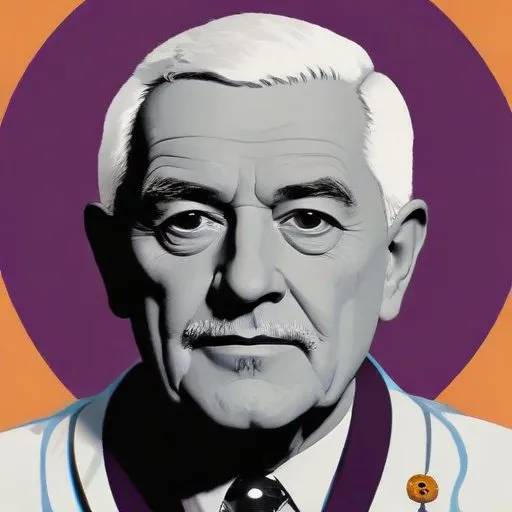
Eighth Lord Mayor of Brisbane, known for transforming the city's infrastructure and development, particularly through his work on the Brisbane Riverwalk and the city's transportation system.
Clem Jones, a charismatic leader and visionary, is best known for his remarkable 15-year tenure as the Lord Mayor of Brisbane, Queensland, from 1961 to 1975. During his term, Jones spearheaded a series of transformative initiatives that reshaped the city's infrastructure, urban landscape, and cultural identity.
Born on January 16, 1918, Jones began his career as a surveyor, a profession that would later influence his approach to urban planning. His entry into politics was marked by his election as the Lord Mayor of Brisbane in 1961, a position he held for an unprecedented 15 years.
Upon assuming office, Jones was determined to modernize Brisbane's ailing infrastructure. He oversaw the development of a comprehensive town plan, which included the sealing of roads, improvement of drainage, and connection of sewers to most of the city. This visionary approach earned Brisbane a reputation as a model city, with its underground car parks topped with public parks and gardens.
One of Jones' most notable achievements was the acquisition of land for open spaces and parklands in the suburbs. The development of the Brisbane Botanic Gardens, Mount Coot-tha, remains a testament to his commitment to preserving green spaces in the city.
In 1968, Jones triggered a public debate by announcing the replacement of Brisbane's extensive tramway routes with diesel buses. Despite initial protests, the decision paved the way for a more efficient and modern transportation system.
In 1971, Jones launched an ambitious bid to host the 1978 Commonwealth Games in Brisbane. Although the initial attempt was unsuccessful, Jones remained undeterred. He led a successful bid in 1974, securing the hosting rights for the 1982 Games.
After completing his duties as Lord Mayor in 1975, Jones chaired the Darwin Reconstruction Commission from 1975 to 1978. He was also a successful businessman and philanthropist, lending his support to various causes throughout his life.
Despite controversies surrounding the removal of graves at the South Brisbane and Toowong cemeteries, Jones' legacy as a visionary leader and urban planner remains unparalleled. His numerous achievements have left an indelible mark on Brisbane, earning him the respect and admiration of its citizens.
In recognition of his outstanding contributions to public life, Jones was appointed an Officer of the Order of Australia (AO) in 1979.
Clem Jones passed away on December 15, 2007, leaving behind a rich legacy that continues to inspire and shape the city of Brisbane.
63 Years Old
The 38th Premier of Queensland, serving from 2012 to 2015, known for his conservative policies and infrastructure projects, particularly the development of the Brisbane Riverwalk.
66 Years Old
The 37th Premier of Queensland, a trailblazing female leader who made history as the first woman to hold the office, known for her strong crisis management during the 2010-2011 Queensland floods.
73 Years Old
The 36th Premier of Queensland, a lawyer-turned-politician, led the Australian state from 1998 to 2007, implementing significant reforms in education and healthcare. He's remembered for his progressive policies and strong leadership.
75 Years Old
The 34th Premier of Queensland, a lawyer-turned-politician who led the state from 1989 to 1996, known for his economic reforms and infrastructure development.
72 Years Old
The 35th Premier of Queensland, serving from 1996 to 1998, known for his leadership during a period of significant reform and economic growth in the state. He played a crucial role in shaping Queensland's future.
Born in 1913
The 30th Premier of Queensland, serving from 1960 to 1968, known for his significant contributions to the state's infrastructure development, particularly in the areas of education and transportation.
