Dal Stivens: The Australian Literary Icon
A Life Devoted to Storytelling
Dal Stivens, a renowned Australian writer, is best known for his captivating short stories and novels that echo the struggles and triumphs of Depression-era country Australia. With a writing career spanning over four decades, Stivens produced six novels and eight collections of short stories, earning him a prominent place in Australian literary history.
Early Life and Influences
Born on December 31, 1911, in Blayney, New South Wales, Stivens grew up in West Wyalong, where his father worked as a bank manager. His childhood experiences during the Great Depression would later shape his writing, infusing his stories with the realities of rural Australia.
War, Travel, and Literary Pursuits
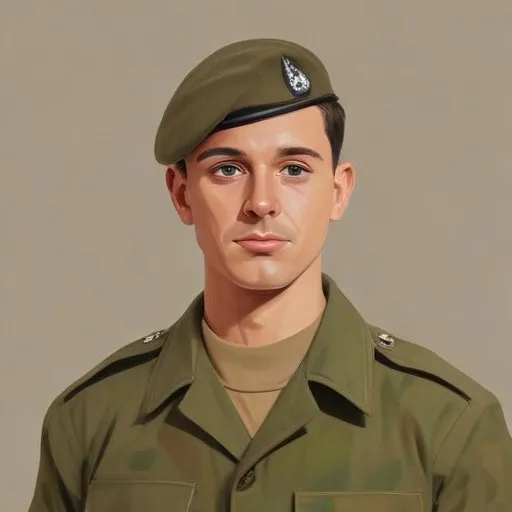
During World War II, Stivens served in the Australian Army and later worked as a press officer at Australia House in London. This exposure to international cultures and experiences enriched his writing, which began to take shape in the 1940s and 1950s. His folk tales, rooted in Australian folklore, gained popularity during this period.
Advocate for Authors' Rights
Stivens was a tireless advocate for authors' rights, inspired by his experiences with the Society of Authors in England. In 1963, he became the Foundation President of the Australian Society of Authors, working diligently to promote authors' interests. His efforts contributed to the establishment of the Public Lending Right in 1975.
Naturalist and Artist
Beyond literature, Stivens was an accomplished naturalist, publishing numerous articles in prominent American natural history journals. His notable work,
The Incredible Egg, was released in 1974. In the same year, he began to focus on painting, eventually earning a retrospective in
Australian Art magazine in the late 1970s.
Awards and Recognition
Stivens' literary prowess was recognized with the prestigious Miles Franklin Award for best Australian novel in 1970 for
A Horse of Air. He also received the
Patrick White Award in 1981 for his significant contribution to Australian literature. In 1994, he was honored with a Special Achievement Award in the NSW Premiers Literary Awards.
Legacy and Impact
Stivens' stories, widely anthologized and included in school readers, have left an indelible mark on Australian literature. His work continues to inspire new generations of writers and readers, cementing his status as a literary icon in Australian history.
- Major Works:
- The Tramp and Other Stories (1936)
- A Horse of Air (1970)
- The Unicorn and Other Tales (1976)
- Awards and Honors:
- Miles Franklin Award (1970)
- Patrick White Award (1981)
- Special Achievement Award, NSW Premiers Literary Awards (1994)
Stivens' remarkable life, marked by his dedication to storytelling, advocacy for authors' rights, and exploration of various artistic mediums, continues to captivate audiences and inspire new generations of writers and artists.
FAQ
What was Dal Stivens role in World War II?
Dal Stivens served as an officer in the Australian Army during World War II, seeing action in North Africa and the Pacific.
What is Dal Stivens most famous literary work?
Dal Stivens most famous literary work is his novel A Horse of Air, which won the Miles Franklin Award in 1970.
What is Dal Stivens literary style?
Dal Stivens literary style is characterized by his vivid descriptions of the Australian landscape and his exploration of themes such as war, morality, and the human condition.
How did Dal Stivens war experiences influence his writing?
Dal Stivens war experiences had a profound influence on his writing, shaping his worldview and informing his literary themes and motifs.
What is Dal Stivens legacy in Australian literature?
Dal Stivens legacy in Australian literature is one of powerful storytelling and lyrical prose, earning him a place as one of the countrys most respected writers.