


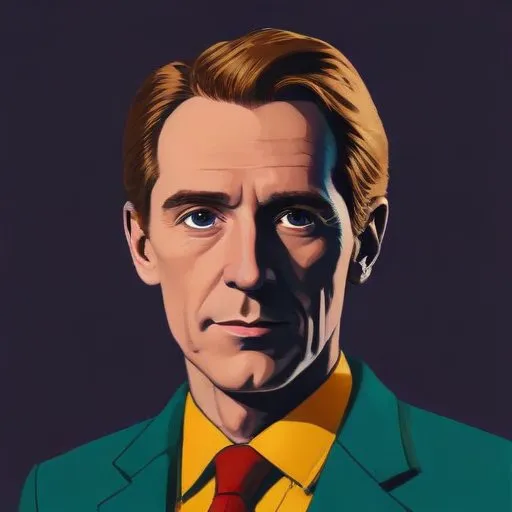
Australian war correspondent and novelist who wrote about his experiences in World War II and the Korean War, best known for his novel "My Brother Jack".
George Johnston, a stalwart of Australian literature, is best known for his trilogy of semi-autobiographical novels, which includes My Brother Jack, Clean Straw for Nothing, and A Cartload of Clay. His works are a testament to his unyielding dedication to storytelling, and his contributions to the literary world have left an indelible mark.
Born on July 20, 1912, in Melbourne, Australia, Johnston spent his childhood in the family home in Elsternwick and was educated in local secondary schools. He began his career as an apprentice lithographer, but it was his stint as a journalist for the Melbourne Argus newspaper that set him on the path to fame.
Johnston's experiences as a war correspondent during World War II earned him widespread recognition, and his dispatches from the front lines showcased his exceptional flair for storytelling. He later abandoned his journalism career in 1954 and moved to the Greek island of Hydra, where he began writing full-time.
Johnston's literary partnership with his second wife, Charmian Clift, was a significant aspect of his writing career. Together, they formed a formidable team, drawing inspiration from their surroundings and the people they met. Their circle of international artists on Hydra included the likes of Leonard Cohen, Axel Jensen, and Gran Tunström.
Johnston's contributions to literature were recognized with the Miles Franklin Award for My Brother Jack in 1964. He was also appointed an Officer of the Order of the British Empire (OBE) in 1970 for his services to literature.
Johnston's personal life was marked by his struggles with tuberculosis, which he contracted while living on Hydra. He returned to Sydney in 1964 and passed away on July 22, 1970, at the age of 58. Despite his untimely demise, Johnston's legacy lives on through his works, which continue to inspire generations of writers and readers alike.
Johnston's writing has had a profound impact on modern society, offering a glimpse into the Australian psyche and the country's complex history. His works have been adapted into television series and films, ensuring that his legacy extends beyond the literary world.
George Johnston's unwavering commitment to his craft has left an indelible mark on Australian literature. His works continue to captivate readers, and his legacy serves as a testament to the power of storytelling.
87 Years Old
Investigative journalist and documentary filmmaker known for exposing government and corporate wrongdoing, particularly in relation to human rights and war crimes.
Born in 1911
A pioneering war correspondent who exposed the atrocities of the Vietnam War and other conflicts, shedding light on the human cost of war.
Born in 1900
A 20th-century literary figure, known for his poetic and imaginative storytelling, particularly in his novel "The Fox in the Attic" and play "The Sister's Tragedy".
