


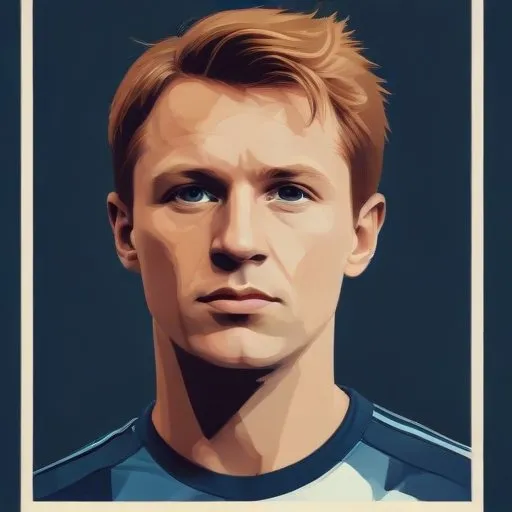
A skilled and tenacious midfielder who played for Leeds United and the English national team, earning 42 caps and scoring a crucial goal in the 1992 European Championship semifinals.
David Batty, born on December 2, 1968, is an English former professional footballer renowned for his exceptional defensive midfield skills, earning him a coveted spot in the annals of English football history. With a storied career spanning 17 years, Batty won numerous accolades, including the Football League Second Division and First Division titles, as well as a Premier League championship with Blackburn Rovers in 1995.
Born in Leeds, West Riding of Yorkshire, Batty's footballing journey began with Leeds United, where he made his debut in November 1987 as an 18-year-old. Under the guidance of Leeds legend Billy Bremner, Batty honed his skills, and his fierce competitiveness earned him a reputation as a formidable midfielder.
Batty was an integral part of the Leeds team that secured promotion from the Second Division in 1989-1990 and later won the First Division championship in 1991-1992. His tireless work rate, excellent distribution, and ability to break up opposition attacks made him an indispensable asset to the team.
In 1993, Batty joined Blackburn Rovers, where he played a crucial role in the team's Premier League triumph in 1995. Although he did not receive a medal, his contributions to the team's success cannot be overstated. Batty later joined Newcastle United, where he continued to showcase his defensive prowess.
Batty earned 42 caps for the England national team, representing the nation at UEFA Euro 1992 and the 1998 FIFA World Cup. His tenacity and skill on the pitch made him a valuable asset to the team.
Following his retirement in 2004, Batty withdrew from the media spotlight, rarely granting interviews about his career. It is well-documented that he viewed football as a job rather than a passion, which may have contributed to his decision to keep a low profile.
David Batty's career is a testament to his dedication, hard work, and exceptional skills. His contributions to English football have left an indelible mark, earning him a place among the sport's most respected figures. Batty's unassuming nature and reluctance to seek the spotlight have not diminished his legacy, which continues to inspire future generations of footballers.
David Batty's remarkable career serves as a reminder that sometimes, it is the unassuming heroes who leave the most lasting impact on the beautiful game.
59 Years Old
A talented and flamboyant midfielder who played for several top-tier clubs and the English national team, known for his exceptional skill, creativity, and iconic moments on the pitch.
56 Years Old
A legendary footballer and manager who scored a record 260 goals in the Premier League and led Newcastle United as a player and coach. He's now a popular TV pundit and commentator.
62 Years Old
A former English professional footballer who played as a goalkeeper, best known for his successful career with Arsenal and the English national team, earning 75 caps.
59 Years Old
A former Arsenal captain and England international, known for his dominant defensive skills and iconic leadership on the pitch. He later transitioned into management, taking the helm at several clubs.
65 Years Old
Former English national team captain and prolific goal-scorer turned popular sports broadcaster, known for his charismatic commentary and witty Twitter presence.
65 Years Old
A former midfielder who played for England and Newcastle United, known for his creative playing style and later managed several clubs.
65 Years Old
A former professional footballer who played for clubs like Newcastle United and Tottenham Hotspur, and later became a sportscaster, known for his entertaining commentary and analysis.
62 Years Old
A former Liverpool winger and England international, known for his pace, skill, and iconic rap in the 1990 Anfield Rap song for the England national team.
