


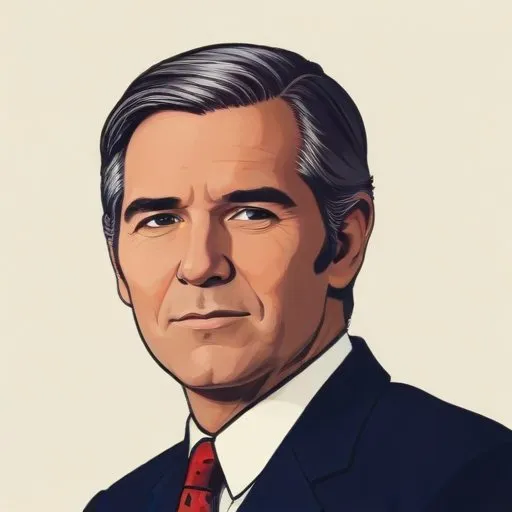
Second Vice-President of the Republic of Texas, serving during the Texas Revolution, and later became the interim president of the Republic of Texas. He played a crucial role in shaping the early years of Texas.
As the interim president of the Republic of Texas in 1836, David G. Burnet played a pivotal role in shaping the early days of the Lone Star State. This enigmatic figure, with a storied past as a soldier, politician, and empresario, left an indelible mark on the annals of Texan history.
Born in Newark, New Jersey, on April 14, 1788, Burnet's life was marked by a insatiable thirst for adventure and a passion for public service. He attended law school in Cincinnati, Ohio, before embarking on a series of expeditions that would take him to the heart of South America.
As a young man, Burnet lived with a Comanche tribe for a year, an experience that would later influence his views on Native American relations. He then joined the unsuccessful filibustering expeditions led by General Francisco de Miranda, fighting for the independence of Venezuela from Spain in 1806.
In 1826, Burnet moved to Stephen F. Austin's colony in Mexican Texas, where he received a land grant as an empresario. Although he failed to attract enough settlers to his colony, he remained committed to the Texan cause, eventually becoming the interim president of the Republic of Texas in 1836.
As president, Burnet played a crucial role in the fight for Texan independence, ordering the government to flee Washington-on-the-Brazos for Harrisburg, thus inspiring the Runaway Scrape. He narrowly avoided capture by Mexican troops the following month, and went on to negotiate the Treaties of Velasco with Mexican General Antonio López de Santa Anna.
Burnet's decision to spare Santa Anna's life sparked outrage among many Texans, who saw it as an act of treason. Despite this, Burnet remained a respected figure in Texan politics, serving as vice president under Mirabeau B. Lamar and participating in the Battle of San Jacinto.
Today, Burnet's legacy is one of bravery, diplomacy, and statesmanship. His contributions to the Republic of Texas and his commitment to its people have earned him a place in the annals of Texan history.
"I am not a man of great learning, but I am a man of strong convictions, and I will fight to the death for what I believe is right."
— David G. Burnet
Burnet's life and legacy are a testament to the turbulent and often violent early days of the Republic of Texas. His commitment to the Texan cause and his bravery in the face of adversity have earned him a place alongside the founding fathers of the Lone Star State.
Today, Burnet's legacy serves as a reminder of the sacrifices made by those who fought for Texan independence, and the importance of diplomacy and statesmanship in shaping the course of history.
Born in 1793
First president of the Republic of Texas, leading the fight for independence from Mexico and later becoming a US senator and governor. Known for his bravery and strong leadership during Texas's formative years.
Born in 1793
Pioneer of Texas colonization, instrumental in bringing American settlers to the region, and played a key role in the fight for Texas independence.
Born in 1806
American colonel, judge, and politician who served as the 101st Mayor of San Antonio, known for his leadership and contributions to the city's development. He played a significant role in shaping the city's infrastructure and economy.
Born in 1795
A Tejano statesman who played a key role in Texas's fight for independence from Mexico and later helped shape the state's government. He's celebrated for his contributions to Texas's early development.
