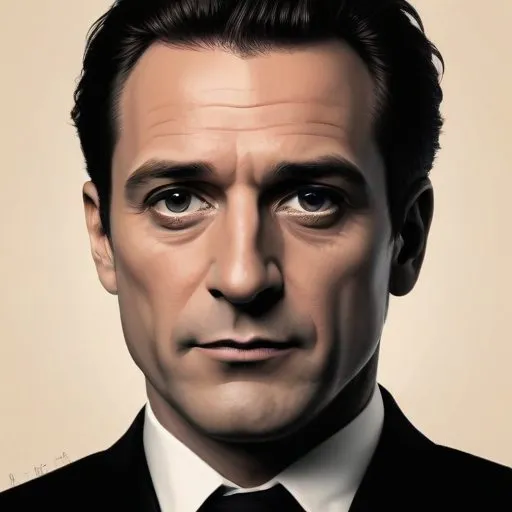
David Hurst: The Versatile Actor and Iconic Performer
A Renowned Figure in Film, Television, and Theatre
David Hurst, born Heinrich Theodor Hirsch, was a German-born actor known for his extraordinary talent and versatility in film, television, and theatre. He is perhaps best recognized for his memorable role as Rudolph, the charming headwaiter, in the 1969 film adaptation of
Hello, Dolly!, starring
Barbra Streisand and Walter Matthau.
Early Life and Career
Born on May 8, 1926, Hurst grew up in a family of actors, with his earliest experiences in the performing arts shaped by his Jewish heritage and tumultuous childhood in 1930s Germany. During this period, he faced persecution under the Nazi regime, and in 1939, he was among the nearly 10,000 children rescued as part of the Kindertransport, a British government-backed initiative to relocate Jewish children from Germany, Austria, Czechoslovakia, Poland, and the Free City of Danzig to the United Kingdom.
In Northern Ireland, Hurst was housed in a manor, where he lived with other young emigrants under the care of an estate manager's family. It was during this time that he adopted the stage name David Hurst and began his earliest forays into the world of acting, with his first stage experience taking place in Belfast at a repertory theatre.
Theaters of War and Entertainments
During World War II, Hurst enlisted in the British army, but due to his German background, he was assigned to the Entertainments National Service Association, where he honed his skills as an actor and comedian. This experience not only helped shape his craft but also provided him with a sense of purpose and belonging during a tumultuous period.
A Star Rises
Hurst's breakthrough in film came with his role as Wolfgang Winkel in the 1949 film
The Perfect Woman, a part he had previously played to critical acclaim in the West End. This marked the beginning of a prolific career in film, television, and theatre, with notable performances in various British films throughout the 1950s.
Crossing the Pond
In 1957, Hurst relocated to the United States, where he spent most of his time in California but frequently performed on Broadway. One of his most iconic roles was as Merlin in the original Broadway production of
Camelot, opposite
Richard Burton, in 1960.
Awards and Accolades
Hurst's talent and dedication were recognized with several prestigious awards, including the Clarence Derwent Award in 1959 and the Obie Award from The Village Voice in 1964, acknowledging his impressive off-Broadway performance in
A Month in the Country.
Legacy and Impact
Through his diverse and extensive body of work, David Hurst left an indelible mark on the entertainment industry. His remarkable journey, from a young refugee to a celebrated actor, is a testament to his resilience, adaptability, and passion for his craft. As a versatile performer, he continues to inspire generations of actors, and his contributions to the world of entertainment remain a lasting legacy.
FAQ
What is David Hursts most famous role?
David Hurst is perhaps most famous for his role as Heinrich Himmler in the 1975 mini-series Holocaust, for which he received critical acclaim.
What type of acting does David Hurst specialize in?
David Hurst is a character actor who has specialized in playing villainous and authoritarian roles throughout his career.
Has David Hurst worked in both film and television?
Yes, David Hurst has had a long and successful career in both film and television, with numerous credits in both mediums.
Is David Hurst still active in the entertainment industry?
Unfortunately, David Hurst passed away in 2019, but his legacy lives on through his extensive body of work.
What awards has David Hurst won for his acting?
David Hurst was nominated for a BAFTA TV Award for his role in Holocaust, and won a German Film Award for Best Supporting Actor for his role in Die weiße Rose.