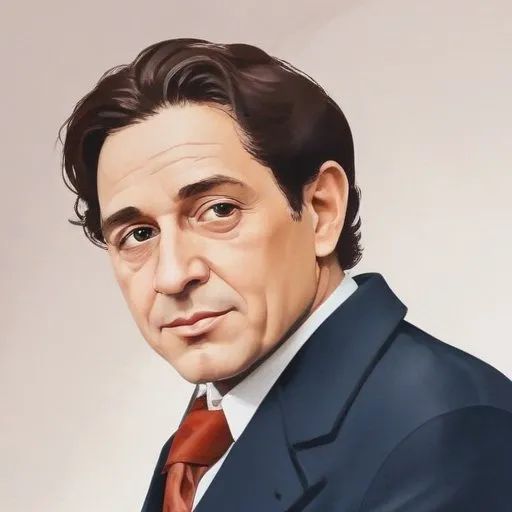
David Shapiro: A Luminary in Poetry, Literary Criticism, and Art History
A Prolific Career
David Shapiro, a renowned American poet, literary critic, and art historian, left an indelible mark on the literary and academic communities during his lifetime. With a staggering twenty volumes of poetry, literary, and art criticism to his name, Shapiro's oeuvre is a testament to his boundless creativity and intellectual curiosity.
Early Beginnings and Education
Born on January 2, 1947, in Newark, New Jersey, Shapiro grew up in a musical family where his maternal grandfather, Berele Chagy, was a distinguished cantor. This rich cultural heritage laid the foundation for Shapiro's future pursuits. He attended Weequahic High School before matriculating to Columbia University, where he earned a B.A. in 1968 and a Ph.D. in English in 1973.
Academic Career and Teaching
Shapiro's academic trajectory was marked by a string of prestigious appointments. Between 1972 and 1981, he served as an instructor and assistant professor of English at Columbia University. He then held positions at Brooklyn College, Princeton University, and Cooper Union, before becoming the William Paterson Professor of Art History at William Paterson University, a post he held until his retirement in 2017.
Literary Contributions and Criticism
Shapiro's writing career began at an early age, with his first publication at thirteen and his first book at eighteen. His subsequent works encompassed poetry, literary criticism, and art history, showcasing his versatility and erudition. His poetic oeuvre is characterized by its lyricism, intellectual rigor, and exploration of the human condition.
Art Historical Insights
As an art historian, Shapiro brought his unique perspective to the field, examining the intersections between art, literature, and culture. His writings on art history are distinguished by their nuance, depth, and interdisciplinary approach, earning him recognition as a leading authority in the field.
Influence and Legacy
Shapiro's impact on modern literature and art history is undeniable. His work has inspired generations of scholars, critics, and artists, and his influence can be seen in the diverse range of fields he participated in. His legacy serves as a testament to the power of interdisciplinary inquiry and the importance of fostering a rich cultural heritage.
Personal Milestones and Key Life Events
- First publication at thirteen
- First book published at eighteen
- Violinist with the New Jersey Symphony and the American Symphony
- Received B.A. and Ph.D. from Columbia University
- Held appointments at prestigious institutions, including Princeton University and Cooper Union
- Retired as William Paterson Professor of Art History, Emeritus in 2017
Quotes and Memorable Sayings
“The poem is a microcosm of the chaos and order of the universe.”
Historical Context and Comparative Analysis
Shapiro's work must be situated within the broader cultural and intellectual landscape of the 20th century. His poetry and criticism reflect the tumultuous era in which he wrote, marked by social upheaval, artistic innovation, and intellectual ferment. A comparative analysis of Shapiro's work alongside that of his contemporaries, such as
John Ashbery and
Frank O'Hara, reveals the unique contributions he made to the literary and art historical canons.
Shapiro's poetry and criticism have permeated popular culture, influencing writers, artists, and musicians across generations. His work has been cited as an inspiration by numerous creatives, attesting to the enduring resonance of his ideas and artistic vision.
Awards and Honors
Throughout his distinguished career, Shapiro received numerous awards and honors, recognizing his outstanding contributions to literature, art history, and education. These accolades serve as a testament to his dedication, intellectual rigor, and artistic innovation.
Charitable Work and Social Contributions
Shapiro's commitment to education and the arts extended beyond his academic and literary pursuits. He participated in various charitable initiatives, advocating for arts education, literary programs, and cultural institutions, leaving a lasting impact on his community and beyond.
FAQ
What is David Shapiros background in poetry and literature?
David Shapiro is an American poet, historian, and critic, known for his lyrical and evocative poetry, as well as his insightful literary criticism and historical writings.
How has David Shapiros poetry been received?
David Shapiros poetry has been widely praised for its lyricism, depth, and nuance, and has been recognized with numerous awards, including the National Endowment for the Arts Fellowship and the Prix de Rome.
What are some of David Shapiros most notable poetry collections?
David Shapiro has published several critically acclaimed poetry collections, including After a Lost Original, The Page-Turner, and A Burning Interior, which showcase his mastery of form and language.
How has David Shapiro contributed to the literary community?
David Shapiro has been an active and influential figure in the literary community, serving as a teacher, editor, and advocate for poetry and literature, and has helped to promote the work of numerous poets and writers.
What is David Shapiros approach to literary criticism?
David Shapiros literary criticism is characterized by its nuance, sensitivity, and insight, and has been widely praised for its ability to illuminate the complexities and subtleties of literary works.