


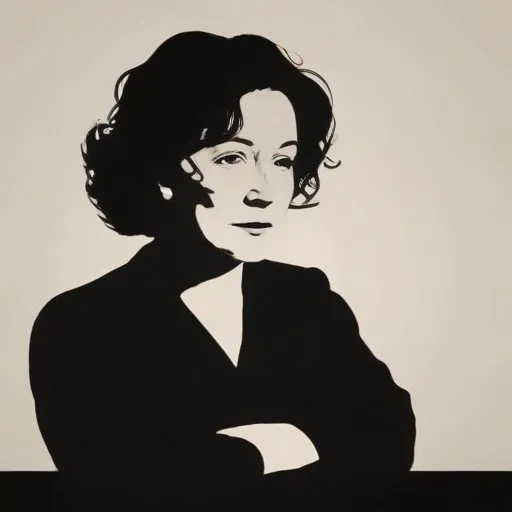
A British-born American poet who explored themes of love, nature, and social justice through lyrical and accessible language, known for her unique blend of spirituality and activism.
Levertov was born on October 24, 1923, in Ilford, Essex, to a family of diverse cultural and religious backgrounds. Her mother, Beatrice Adelaide Spooner-Jones Levertoff, was from a small mining village in North Wales, while her father, Paul Levertoff, was a Russian Hasidic Jew who converted to Anglicanism and became a priest. This eclectic heritage greatly influenced Levertov's writing, as she drew upon her family's experiences and traditions to craft a unique poetic voice.
Levertov's poetry is characterized by its lyricism, imagery, and emotional intensity. She explored themes of love, spirituality, and social justice, often weaving together personal experiences with broader political and philosophical concerns. Her poetry is marked by its accessibility, depth, and musicality, making her one of the most beloved and respected poets of her generation.
Levertov's poetry book, The Freeing of the Dust, is a seminal work that explores the human cost of war and the struggles for social justice. Written during the Vietnam War era, the collection is a powerful indictment of the violence and destruction wrought by conflict. Levertov's poetry became a beacon of hope and resistance for many, inspiring a new generation of activists and writers.
Denise Levertov's poetry and legacy continue to inspire and influence writers, activists, and readers around the world. Her commitment to social justice, spirituality, and artistic innovation has made her a beloved figure in American literary history. Through her poetry, Levertov has left an indelible mark on our cultural consciousness, reminding us of the importance of compassion, empathy, and creative expression.
Levertov's poetry and philosophy are deeply rooted in her spiritual and social convictions. She believed in the power of art to transform society and to promote greater understanding and empathy among individuals. Her poetry often explores the intersection of the personal and the political, revealing the intricate web of relationships that shape our world.
Denise Levertov's poetry and activism have had a profound impact on modern society, inspiring a new generation of writers, activists, and artists. Her commitment to social justice and her exploration of the human experience have made her a beacon of hope and inspiration for many.
Born in 1886
A pioneering figure in modernist poetry, known for experimental and emotionally charged works that explored themes of love, identity, and spirituality.
Born in 1883
A physician-turned-writer, known for his modernist poetry and short stories that explored the everyday lives of ordinary people, often using imagery and experimental styles. His work blurred the lines between poetry and prose, creating a unique literary voice.
Born in 1885
A pioneering modernist poet and critic who transformed 20th-century literature with innovative styles and provocative ideas, shaping the course of modern poetry.
Born in 1888
A renowned poet, playwright, and critic who reshaped modern poetry with works like "The Waste Land" and "Old Possum's Book of Practical Cats", influencing literature and art with their unique style.
Born in 1879
A modernist master of language and imagination, crafting innovative, symbolic poetry that explores the human experience and the relationship between reality and the individual's perception of it.
Born in 1902
A renowned poet, novelist, and playwright who powerfully voiced the experiences and struggles of African Americans during the Harlem Renaissance, using jazz and blues rhythms to convey the spirit of his people.
93 Years Old
A confessional and emotionally intense writer who explored themes of mental illness, mortality, and femininity in her work, leaving a lasting impact on contemporary literature.
97 Years Old
A confessional poet who explored themes of mental illness, family, and femininity through her raw and intimate writing style, earning a Pulitzer Prize in 1967.
