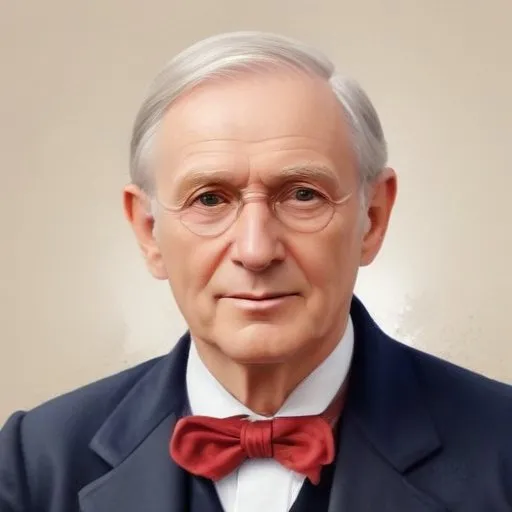
Dickinson W. Richards: A Pioneer in Cardiology and Nobel Laureate
Cardiac Catheterization and Beyond
Dickinson W. Richards, an American physician and physiologist, is renowned for his groundbreaking work in the development of cardiac catheterization and the characterization of cardiac diseases. Alongside Andr Cournand and
Werner Forssmann, Richards was awarded the Nobel Prize in Physiology or Medicine in 1956 for his pioneering contributions to the field.
Early Life and Education
Born on October 30, 1895, in Orange, New Jersey, Richards was educated at the Hotchkiss School in Connecticut. He then attended Yale University, where he studied English and Greek, graduating in 1917 as a member of the senior society Scroll and Key.
Career and Research
Richards' career in medicine began when he joined the United States Army in 1917, serving as an artillery instructor and later as an artillery officer in France from 1918 to 1919. After the war, he attended Columbia University College of Physicians and Surgeons, earning his M.A. in 1922 and M.D. degree in 1923. Richards' research focus shifted to pulmonary and circulatory physiology during his time at the Presbyterian Hospital in New York, where he worked under Professor Lawrence Henderson of Harvard.
Collaboration and Breakthroughs
In 1928, Richards began collaborating with Andr Cournand at Bellevue Hospital, New York, on pulmonary function research. This partnership led to the development of a technique for catheterization of the heart, enabling the study and characterization of traumatic shock, heart failure, and various forms of cardiac diseases.
Awards and Honors
In addition to the Nobel Prize in Physiology or Medicine, Richards received numerous awards and honors for his contributions to cardiology, including:
- John Philipps Memorial Award (1955)
- Albert Lasker Award (1956)
- Gold Medal for Distinguished Service to Medicine (1958)
Legacy and Impact
Richards' work has had a profound impact on the field of cardiology, paving the way for significant advancements in the diagnosis and treatment of cardiac diseases. His legacy continues to inspire new generations of researchers and physicians, and his pioneering spirit remains an integral part of the medical community.
Personal Life and Milestones
Richards' personal life was marked by significant milestones, including his marriage to Constance Riley in 1923 and the birth of their two daughters. He was also an avid reader and enjoyed classical music.
Quotes and Reflections
As Richards once reflected, "The scientist is not searching for truth, but rather trying to understand the natural world." This quote encapsulates his dedication to the pursuit of knowledge and his commitment to advancing the field of cardiology.
Historical Context and Legacy
Richards' work must be viewed within the context of the significant medical advancements of the early 20th century. His contributions to cardiology built upon the foundations laid by earlier pioneers, and his legacy continues to shape the field today.
FAQ
What was Dickinson W. Richards medical specialty?
Dickinson W. Richards was a physician and physiologist who specialized in cardiology and pulmonary medicine. He made significant contributions to the understanding of cardiac function and the diagnosis of cardiovascular disease.
How did Dickinson W. Richards work impact cardiology?
Dickinson W. Richards work had a profound impact on cardiology, enabling the development of new diagnostic techniques and treatments for cardiovascular disease. His research into cardiac catheterization and angiography revolutionized the field.
What was Dickinson W. Richards role in the development of cardioangiography?
Dickinson W. Richards played a crucial role in the development of cardioangiography, a diagnostic technique that involves imaging the heart and blood vessels using radiopaque dyes. His work laid the foundation for modern interventional cardiology.
How did Dickinson W. Richards work influence modern medicine?
Dickinson W. Richards work influenced modern medicine by enabling the development of new treatments and diagnostic techniques for cardiovascular disease. His research has saved countless lives and improved the quality of life for millions of people worldwide.
What was Dickinson W. Richards legacy in medical research?
Dickinson W. Richards legacy in medical research is immense, with his work continuing to shape the field of cardiology and inspire new generations of researchers and clinicians. He is remembered as one of the most important medical researchers of the 20th century.