


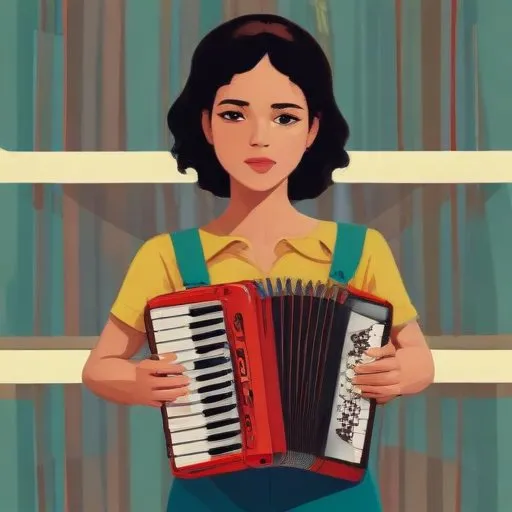
A Brazilian singer-songwriter and accordion player, known for blending traditional Northeastern Brazilian music with modern styles, creating a unique sound that resonates with fans worldwide.
Instantly recognizable as the composer, accordionist, and singer behind some of Brazil's most iconic sounds, Dominguinhos is the embodiment of traditional Northeastern Brazilian music. With a career spanning over five decades, he single-handedly shaped the country's musical landscape, showcasing the rich cultural heritage of the Sertão.
Born José Domingos de Morais on February 12, 1941, in Garanhuns, Pernambuco, Dominguinhos was surrounded by music from an early age. His father, Mestre Chico, a renowned accordionist and tuner, instilled in him a deep love for the instrument. As a child, Dominguinhos would play on fairs and in front of hotels, earning money with his brothers as part of the trio Os Três Pinguins (The Three Penguins).
At just nine years old, Dominguinhos met the legendary Luiz Gonzaga, who was impressed by his talent and invited him to join him in Rio de Janeiro. This chance encounter marked the beginning of a long and fruitful career, with Dominguinhos going on to collaborate with some of Brazil's most celebrated artists, including Caetano Veloso, Gilberto Gil, Gal Costa, Toquinho, Elba Ramalho, Yamandu Costa, and Maria Bethânia.
Dominguinhos' music is characterized by its unique blend of European, African, and Indigenous influences, reflecting the rich cultural heritage of the Northeast. He draws inspiration from the traditional music of the Sertão, crafting a distinctive style that is both rooted in tradition and innovative in approach. His compositions have been recorded by some of Brazil's most renowned artists, including Bethânia, Gil, Chico Buarque, Elba Ramalho, and Fagner.
Dominguinhos' legacy extends far beyond his own music. He has inspired generations of Brazilian musicians, contributing to the preservation and evolution of traditional Northeastern music. His unique style and compositions have left an indelible mark on Brazilian popular music, cementing his place as one of the most important figures in the country's musical history.
Dominguinhos' remarkable life and career serve as a testament to the power of music to bring people together and preserve cultural heritage. As a composer, accordionist, and singer, he has left an indelible mark on Brazilian popular music, inspiring generations of musicians and music lovers alike.
84 Years Old
A Brazilian music legend and politician who blended traditional styles with modern sounds, promoting cultural diversity and social justice through his music and public service.
84 Years Old
A Brazilian cultural icon, he's a master of Tropicalia, a genre that blends traditional Brazilian music with psychedelic rock and folk, and is known for his poetic lyrics and soothing voice.
80 Years Old
A renowned Brazilian singer, known for her powerful, emotive voice and iconic interpretations of traditional Brazilian music, particularly MPB (Brazilian popular music).
81 Years Old
A Brazilian tropicalia icon, known for blending traditional Brazilian music with psychedelic rock and folk elements, creating a unique sound that defined a generation.
