


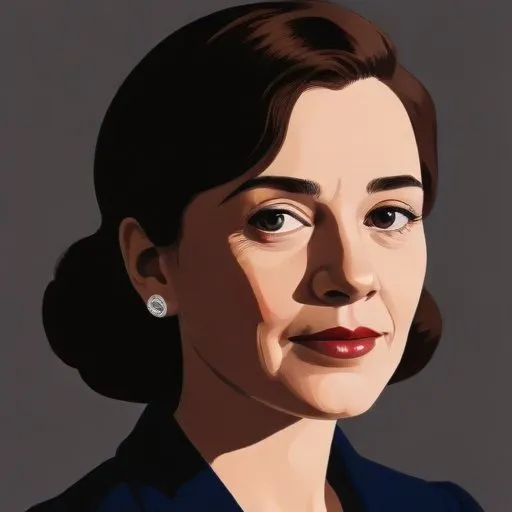
Pioneering writer of supernatural and horror fiction, credited with helping to establish the genre, and author of the influential novel "The Wind".
Dorothy Scarborough, a celebrated American writer, is renowned for her captivating stories that weave together the threads of Texas folk culture, cotton farming, ghost stories, and women's lives in the Southwest. Her literary masterpieces transport readers to the heart of the Lone Star State, immersing them in the rich heritage and traditions of the region.
Born on January 27, 1878, in Mount Carmel, Texas, Scarborough's life was marked by a series of moves, first to Sweetwater, Texas, at the age of four, and later to Baylor College in 1887, where her family sought a better education for their children. This nomadic childhood instilled in her a deep appreciation for the vast, open spaces and diverse cultures of Texas.
Scarborough's academic journey took her to the University of Chicago and Oxford University, where she refined her writing skills and developed a deep understanding of literature. In 1916, she began teaching literature at Columbia University, where she also earned her PhD. Her dissertation, The Supernatural in Modern English Fiction, was so highly acclaimed that it was published and has since become a seminal work in the field.
Dorothy Scarborough's move to New York brought her into contact with prominent writers, including Edna Ferber and Vachel Lindsay. As a creative writing instructor at Columbia, she mentored talented young writers, such as Eric Walrond and Carson McCullers, who credited her with nurturing their literary talents.
Scarborough's literary output is characterized by its diversity and depth. Some of her notable works include:
Dorothy Scarborough's writing has left an indelible mark on American literature, particularly in the realm of Texas folk culture. Her work continues to captivate readers with its vivid storytelling, richly drawn characters, and poignant exploration of the human experience. As a pioneering female writer, Scarborough paved the way for future generations of writers, inspiring them to explore the complexities and beauty of the American Southwest.
Born in 1809
A master of dark and atmospheric storytelling, crafting haunting tales of mystery and horror that continue to captivate readers to this day.
Born in 1819
Author of epic sea tales and philosophical explorations, including the iconic "Moby-Dick", which continues to influence literature and popular culture.
Born in 1835
Witty writer of classics like "The Adventures of Tom Sawyer" and "The Adventures of Huckleberry Finn", known for humor and social commentary.
Born in 1804
Author of dark, psychologically complex tales that explore the human condition, often set in 17th-century New England, and known for his masterpiece "The Scarlet Letter".
Born in 1783
Author of the iconic tales "The Legend of Sleepy Hollow" and "Rip Van Winkle", credited with creating the first American folklore and shaping the country's literary identity.
Born in 1897
A Nobel Prize-winning author of complex, psychologically rich novels and short stories that explore the American South's troubled history and human nature. His writing style, blending stream-of-consciousness and non-linear narrative, has influenced generations of writers.
Born in 1899
A legendary writer who crafted sparse, powerful prose, capturing the human experience in novels like "The Old Man and the Sea" and "A Farewell to Arms".
Born in 1896
Author of novels and short stories that capture the essence of the Jazz Age, exploring themes of wealth, class, and the American Dream. Known for timeless classics like "The Great Gatsby" and "Tender Is the Night".
