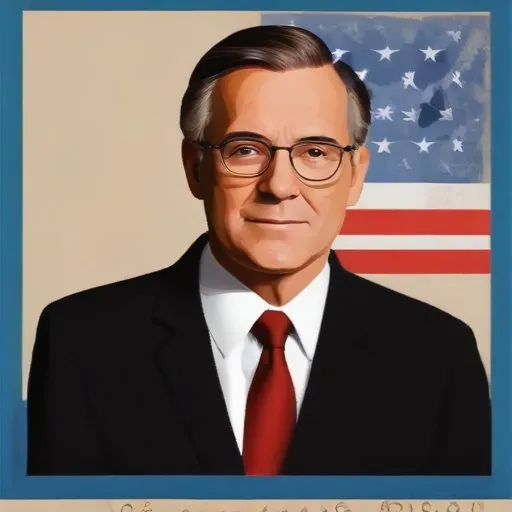
Douglas J. Feith: The Influential American Politician and Strategist
A Leading Figure in the Bush Administration
Douglas J. Feith is a prominent American politician and strategist, best known for serving as the Under Secretary of Defense for Policy in the United States Department of Defense from 2001 to 2005, during the presidency of
George W. Bush. As a senior advisor to the Secretary of Defense, Feith played a crucial role in shaping the Bush administration's foreign policy and national security strategies.
Early Life and Education
Born on July 16, 1953, in Philadelphia, Pennsylvania, Feith earned his Bachelor's degree from Harvard University in 1975. He later pursued his Juris Doctor (J.D.) degree from Harvard Law School in 1979.
Political Career
Feith's political career spans over three decades, with significant appointments in both the public and private sectors. Some of his notable positions include:
- Special Counsel to the Assistant Secretary of Defense for International Security Policy (1984-1986)
- Deputy Assistant Secretary of Defense for Negotiations Policy (1986-1989)
- Senior Vice President and General Counsel of the Center for Security Policy (1989-1995)
- Under Secretary of Defense for Policy (2001-2005)
Policy Contributions and Controversies
During his tenure as Under Secretary of Defense, Feith played a key role in shaping the Bush administration's policies on the War on Terror, including the invasion of Iraq. He was a strong advocate for regime change in Iraq and was instrumental in developing the Pentagon's office for Reconstruction and Humanitarian Assistance (ORHA).
However, Feith's tenure was also marred by controversy, particularly regarding the Office of Special Plans (OSP), which was criticized for providing flawed intelligence on Iraq's weapons of mass destruction. Feith's office was accused of cherry-picking intelligence to support the Bush administration's case for war.
Post-Political Career and Writings
After leaving government service, Feith has been involved in various private sector ventures, including as a partner at the law firm of Feith & Zell, P.C. He has also written extensively on national security and foreign policy issues, including his book "War and Decision: Inside the Pentagon at the Dawn of the War on Terrorism" (2008).
Awards and Honors
Feith has received several awards and honors for his public service, including:
- Distinguished Public Service Award, U.S. Department of Defense (2005)
- Exceptional Public Service Award, U.S. Department of State (2005)
- Secretary of Defense Medal for Outstanding Public Service (2005)
Legacy and Impact
Douglas J. Feith's legacy is marked by his significant contributions to American foreign policy and national security strategies. While his tenure was not without controversy, Feith remains a respected figure in the realm of international relations and continues to contribute to the public discourse on national security issues.
FAQ
What was Douglas J. Feiths role in the US government?
Douglas J. Feith was the Under Secretary of Defense for Policy in the United States government from 2001 to 2005. He played a key role in shaping defense policy during the administration of President George W. Bush.
What were Douglas J. Feiths key policy initiatives?
Douglas J. Feith was instrumental in developing the US governments strategy for the war on terror, including the invasions of Afghanistan and Iraq. He also played a role in shaping policy towards countries such as North Korea and Iran.
What has Douglas J. Feith done since leaving government?
Since leaving government, Douglas J. Feith has returned to academia, teaching at the Harvard Law School and writing books on foreign policy and national security.
What are Douglas J. Feiths views on national security?
Douglas J. Feith is known for his hawkish views on national security, advocating for a strong US military presence abroad and a tough stance towards perceived enemies. He has been critical of policies he sees as undermining US national security.
What is Douglas J. Feiths legacy in US foreign policy?
Douglas J. Feiths legacy in US foreign policy is still debated, with some praising his commitment to national security and others criticizing his role in shaping policies that led to controversy and criticism.