


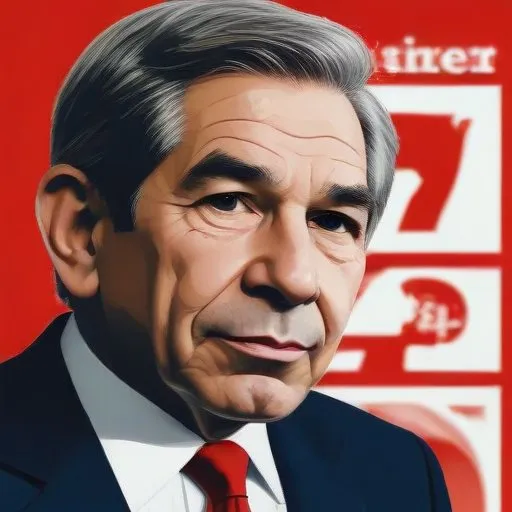
A key architect of the Iraq War, he served as Deputy Secretary of Defense under President George W. Bush and later as President of the World Bank.
Paul Wolfowitz, a prominent American political scientist and diplomat, is perhaps best known for his role as one of the key architects of the Iraq War. As the U.S. Deputy Secretary of Defense under President George W. Bush, Wolfowitz was a vocal advocate for the invasion of Iraq in 2001, a decision that would have far-reaching and devastating consequences.
Born on December 22, 1943, in Brownsville, Brooklyn, New York, Wolfowitz grew up in a Polish Jewish immigrant family. His father, Jacob Wolfowitz, was a professor of statistical theory at Cornell University, where Paul would later study. The family's experiences during World War II, including the loss of relatives in the Holocaust, would shape Wolfowitz's worldview and inform his future policy decisions.
Wolfowitz's career in politics began in the 1970s, when he worked as a aide to Democratic Senator Henry "Scoop" Jackson. He later served as the U.S. Ambassador to Indonesia from 1986 to 1989, and as the Under Secretary of Defense for Policy from 1989 to 1993. During this period, Wolfowitz developed a reputation as a hawkish neoconservative, advocating for a more assertive U.S. foreign policy.
In 2001, Wolfowitz proposed a plan to invade Iraq, which was eventually adopted by the Bush administration. As the U.S. Deputy Secretary of Defense, Wolfowitz played a key role in planning and executing the war. However, the post-invasion insurgency and civil war that followed led to widespread criticism of the administration's handling of the conflict. Wolfowitz denied influencing policy on Iraq and disclaimed responsibility for the chaos that ensued.
In 2005, Wolfowitz was appointed as the President of the World Bank, a position he held until his resignation in 2007. His tenure was marked by controversy, including allegations that he used his position to secure a high-paying promotion for his romantic partner, Shaha Riza. Wolfowitz became the first World Bank president to resign over a scandal.
Wolfowitz's worldview is shaped by his family's experiences during World War II and his belief in the importance of U.S. military power in maintaining global stability. He has been a vocal advocate for democracy promotion and regime change, particularly in the Middle East. Wolfowitz's philosophical contributions have been influential in shaping the foreign policy debates of the past few decades.
Paul Wolfowitz's legacy is marked by controversy and criticism. His role in the Iraq War has been widely condemned, and his tenure at the World Bank was marked by scandal. Despite this, Wolfowitz remains a prominent figure in Republican foreign policy circles, and his influence can still be felt in the halls of power.
85 Years Old
The 46th Vice President of the United States, a powerful and influential figure in American politics, known for his strong conservative stance and role in shaping the country's foreign policy during the War on Terror.
93 Years Old
The 13th United States Secretary of Defense, a high-ranking government official, oversaw the US military during the Iraq War and was known for his controversial decisions and quotes. He's infamous for his "known unknowns" phrase.
71 Years Old
The first African American woman to serve as Secretary of State, she played a crucial role in shaping US foreign policy during a tumultuous period, earning her a lasting legacy in international relations.
Born in 1924
The 41st President of the United States, a decorated war hero and skilled diplomat, led the country through the end of the Cold War and Gulf War. He's known for his foreign policy expertise and "kinder, gentler nation" vision.
89 Years Old
The first African American to serve as Secretary of State, he played a crucial role in shaping US foreign policy during the Gulf War and War on Terror. He's also known for his diplomatic efforts and leadership in the military.
82 Years Old
The 22nd United States Secretary of Defense, serving from 2006 to 2011, is a highly respected figure in American politics and defense, known for his pragmatic approach to national security and foreign policy. He's also a renowned academic and author, having served as the president of Texas A&M University.
88 Years Old
The 23rd United States Secretary of Defense, a key figure in shaping national security policies and overseeing military operations, known for his leadership during the Iraq and Afghanistan wars.
79 Years Old
A decorated war veteran who served as the 24th US Secretary of Defense, overseeing the country's military operations and strategy. He's known for his bipartisan approach to politics and foreign policy.
