


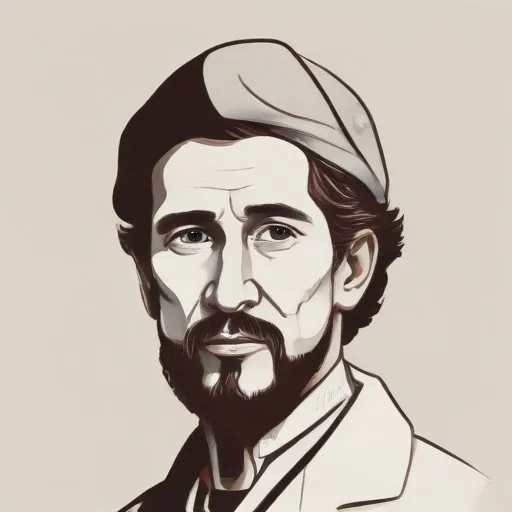
A Slovenian poet and author who wrote influential works in the Slovenian language, contributing to the country's literary heritage. His poetry is known for its lyricism and exploration of national identity.
Dragotin Kette is renowned as one of the founders of modernism in Slovene literature, alongside notable figures such as Josip Murn, Ivan Cankar, and Oton Županič. His poetic works, characterized by a unique blend of Slovene folk songs and classic writers like Goethe, Heine, and Preeren, have left an indelible mark on the literary landscape.
Kette was born on January 19, 1876, in the small village of Prem, near Ilirska Bistrica, in what was then part of the Austro-Hungarian Empire (now Slovenia). His father, a teacher and choirmaster, played a significant role in nurturing Kette's early interest in literature and music. Sadly, his mother passed away when he was just four years old.
In 1894, Kette's maternal uncle, Janez Valenčič, who was sponsoring his education, withdrew his financial support due to Kette's publication of satirical verses about the bishop of Ljubljana, Jakob Missia, in a student paper. This led Kette to continue his studies in Novo Mesto, where he passed his high school leaving exam in 1898. It was during this period that he fell in love with Angela Smola, the daughter of the district judge, to whom he dedicated many of his poems.
During his high school years, Kette became acquainted with fellow young writers Ivan Cankar, Oton Županič, and Josip Murn, with whom he shared a passion for introducing modernist elements into Slovene literature. This group of literary pioneers played a crucial role in shaping the country's literary landscape, paving the way for future generations of Slovene writers.
After graduating from high school, Kette was drafted into the Austro-Hungarian Army and sent to Trieste. Unfortunately, he fell ill with tuberculosis and returned to Ljubljana, where he settled in a small room in a flophouse on the banks of the Ljubljanica River. He died there in 1899, at the tender age of 23, surrounded by his close friend Josip Murn, who would later die in the same bed two years later.
Kette's poetry was deeply influenced by Slovene folk songs, as well as the works of classic writers like Goethe, Heine, and Preeren. Although he was exposed to French symbolist and decadentist poets, he rejected their influence, instead forging his own unique literary path. Through his works, Kette left an indelible mark on Slovene literature, cementing his place as one of the most important figures in the country's literary history.
Kette is buried in the Žale cemetery in the Bežigrad district of Ljubljana, a testament to his enduring legacy in Slovene literature.
Born in 1876
A Slovenian literary giant, celebrated for his poignant plays and poetry that captured the essence of Slovenian identity and culture. His works continue to inspire and influence Slovenian literature to this day.
Born in 1904
A Slovenian poet and author who explored the intersection of modernism and futurism in his work, known for his innovative use of language and experimental style.
Born in 1856
A Slovenian priest and poet who wrote influential works that explored themes of love, nature, and social justice, leaving a lasting impact on Slovenian literature.
Born in 1808
A Slovenian journalist, physician, and politician who advocated for Slovenian national identity and unity, and is considered one of the most important Slovenian figures of the 19th century.
