


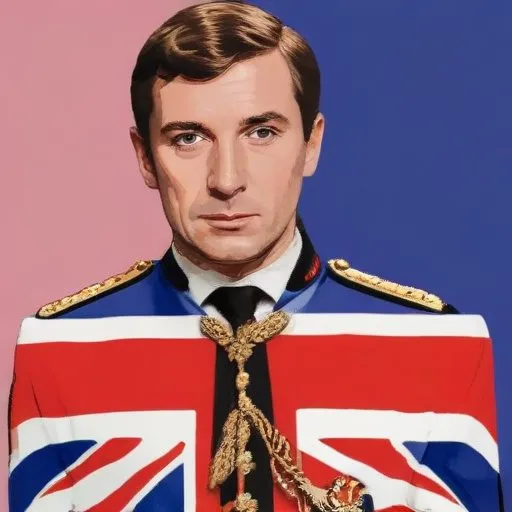
Irish politician who served as Lord Lieutenant of Tyrone, playing a significant role in Irish politics during the late 18th and early 19th centuries. He was a prominent figure in the Anglo-Irish aristocracy.
Known for his influential role in shaping British politics during the 19th century, Du Pre Alexander, 2nd Earl of Caledon, left an indelible mark on the country's history. As a prominent Anglo-Irish nobleman and politician, he played a crucial part in the abolition of slavery, making him a revered figure in the annals of British politics.
Born on December 14, 1777, in Dublin, Ireland, Du Pre Alexander was the eldest son of James Alexander, 1st Earl of Caledon, and his wife, Anne Crawford. He received his education at Eton College and later at Christ Church, Oxford, where he graduated with a degree in law.
Alexander's entry into politics was marked by his election to the British House of Commons in 1802, where he represented the constituency of Orford. He soon rose through the ranks, becoming the Secretary at War in 1806 and later the President of the Board of Trade in 1809. His commitment to social justice led him to play a key role in the abolition of the slave trade in 1807, earning him widespread recognition and respect.
Alexander's humanitarian efforts extended beyond his political career. He was a dedicated supporter of the British and Foreign Bible Society, and his philanthropic work also included the establishment of a school for the poor in his constituency.
In 1811, Alexander married Lady Catherine Yorke, with whom he had six children. He passed away on August 7, 1839, leaving behind a legacy of public service and social reform. His estates in County Tyrone, Ireland, continue to bear testament to his memory and influence.
Alexander's pioneering efforts in the abolition of slavery paved the way for future social reform movements. His commitment to education and philanthropy continues to inspire generations, cementing his place as a trailblazer in British politics.
Alexander's life and legacy are a testament to the power of dedication and perseverance. As a champion of social justice, he left an indelible mark on British history, serving as an inspiration to future generations of politicians and social reformers alike.
In comparison to his contemporaries, Alexander's commitment to social reform and philanthropy set him apart as a true champion of humanity. His unwavering dedication to the abolition of slavery earned him a place alongside other prominent abolitionists, such as William Wilberforce.
Du Pre Alexander, 2nd Earl of Caledon, was a true pioneer in British politics, leaving behind a legacy of social reform, philanthropy, and public service. As we reflect on his life and achievements, we are reminded of the power of individual commitment to creating positive change in the world.
Born in 1920
American Olympic equestrian who won five medals, including two golds, and was a pioneer in the sport, known for his exceptional riding skills and horse training techniques.
