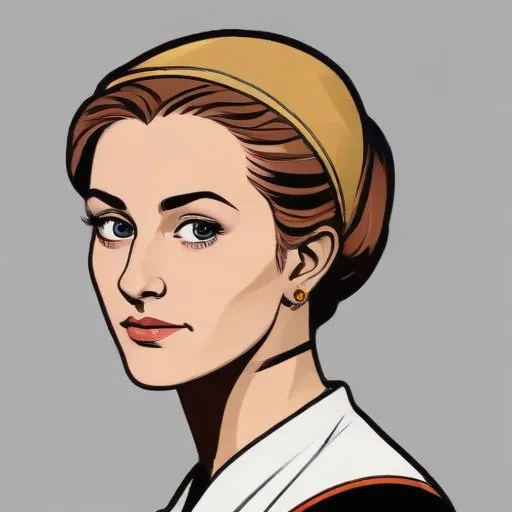
Duchess Therese of Mecklenburg-Strelitz

Duchess Therese of Mecklenburg-Strelitz

Duchess Therese of Mecklenburg-Strelitz was born on April 5th, 1773

Full Name: Duchess Therese of Mecklenburg-Strelitz
Place of Birth: Hanover, Germany
Zodiac Sign: Not Available
Profession: Duchess of Mecklenburg-Strelitz
Marriage: Charles, Grand Duke of Mecklenburg-Strelitz
Children: George, Grand Duke of Mecklenburg-Strelitz
Death: 1832
Burial: Mirow, Germany

A German princess who married into the Prussian royal family and became a prominent figure in Berlin society, known for her beauty, fashion sense, and lavish parties. She was a muse to artists and a trendsetter in her time.

Written by: Emily Carter Emily Carter

Duchess Therese of MecklenburgStrelitz: A Life of Royal Heritage and Family Ties

Duchess Therese of MecklenburgStrelitz was a prominent figure in the European royal scene, known for her esteemed lineage as a member of the House of MecklenburgStrelitz and her marriage to Karl Alexander, 5th Prince of Thurn and Taxis. Through her union, she became a member of the House of Thurn and Taxis, cementing her position as a respected matriarch in the royal circles.

Early Life and Family

Born on April 5, 1773, in Hanover, Germany, Therese was the daughter of Duke Charles of Mecklenburg and Princess Friederike of Hesse-Darmstadt. Her paternal aunt, Queen Charlotte, played a significant role in arranging her marriage to Karl Alexander, ensuring that Therese could maintain her Protestant faith.

Marriage and Children

Therese married Karl Alexander on May 25, 1789, in Neustrelitz, Mecklenburg-Strelitz. The couple had seven children together, including:

Personal Life and Legacy

Therese's life was marked by her strong family ties and dedication to her children. Despite the challenges she faced as a member of the royal family, she remained committed to her Protestant faith and played an important role in shaping the Thurn and Taxis dynasty.

Historical Context and Impact

Living during a time of significant social and political change, Therese's life was influenced by the Napoleonic Wars and the subsequent reorganization of Europe. Her marriage and family connections played a crucial role in maintaining alliances and securing the future of the Thurn and Taxis family.

Conclusion

Duchess Therese of MecklenburgStrelitz left a lasting legacy as a devoted mother, wife, and member of the royal family. Her life serves as a testament to the importance of family ties and the enduring power of royal heritage.

Timeline
1773
Birth in Germany
Duchess Therese of Mecklenburg-Strelitz was born in Hanover, Germany, to a noble family.
1785
Marriage to Prince Frederick
Therese married Prince Frederick of Prussia, cementing an important alliance between the two royal families.
1796
Queen of Prussia
Therese became the Queen of Prussia when her husband ascended to the throne, marking a new era for the royal family.
1840
Death in Berlin
Therese died in Berlin, Prussia, after a long and influential life as a member of the royal family.
1806
Flight from Napoleons Army
Therese and her family were forced to flee Berlin as Napoleons army advanced, marking a dramatic turn in her life.
Duchess Therese of Mecklenburg-Strelitz

Duchess Therese of Mecklenburg-Strelitz Quiz

What was Duchess Therese of Mecklenburg-Strelitz known for in Berlin society?

Score: 0/5
FAQ
What was the role of Duchess Therese of Mecklenburg-Strelitz in European royal courts?
Duchess Therese of Mecklenburg-Strelitz was a member of several European royal courts, serving as a lady-in-waiting and advisor to various monarchs, including King Frederick II of Prussia and Queen Charlotte of Great Britain.
What were Duchess Therese of Mecklenburg-Strelitzs contributions to art and culture?
Duchess Therese of Mecklenburg-Strelitz was a patron of the arts, supporting prominent artists, writers, and musicians of her time. She also encouraged the development of educational institutions and cultural events.
How did Duchess Therese of Mecklenburg-Strelitz influence European politics?
Duchess Therese of Mecklenburg-Strelitz played a behind-the-scenes role in European politics, using her connections and influence to promote peace and stability among European monarchies.
What was Duchess Therese of Mecklenburg-Strelitzs relationship with prominent European monarchs?
Duchess Therese of Mecklenburg-Strelitz maintained close relationships with prominent European monarchs, including King Frederick II of Prussia, Queen Charlotte of Great Britain, and Emperor Napoleon I of France.
What is Duchess Therese of Mecklenburg-Strelitzs legacy in European history?
Duchess Therese of Mecklenburg-Strelitz left a lasting legacy in European history, remembered for her cultural achievements, political influence, and role as a connector between European royal courts.

Related People:

Frederick William III of Prussia

Born in 1770

King of Prussia from 1797 to 1840, he ruled during the Napoleonic Wars and reformed the Prussian army, leading to its rise as a major European power. He's also known for his romantic poetry and music compositions.