


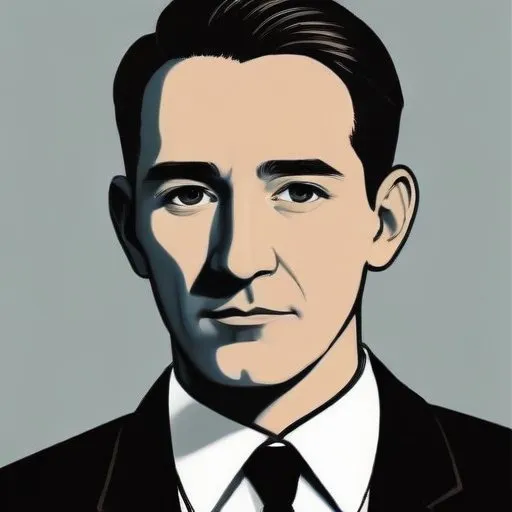
Developed the first practical and commercially viable telephone switchboard, revolutionizing telecommunications. His innovative designs enabled efficient and widespread telephone use.
Dugald Campbell Patterson is recognized as a trailblazing pioneer in Vancouver, Burnaby, and New Westminster, British Columbia, for his significant contributions to the region's growth and development. As a multifaceted entrepreneur, engineer, and community leader, Patterson left an indelible mark on the area, earning him a revered place in the annals of local history.
Born on January 2, 1860, in Partick, Lanarkshire, Scotland, Patterson was one of three sons to John Murdoch Paterson and Margaret Purdon Paterson. He attended the Glasgow common school and worked as a ship joiner at Barclay Curle & Company before moving to the Anchor Line Shipyards. In 1884, he arrived in Canada, where he added a second "t" to his last name, changing it from Paterson to Patterson.
In 1894, Patterson relocated to Burnaby, where he acquired a five-acre parcel of land that would eventually become part of Central Park. He worked as an engineer for Armstrong Morrison & Balfour and later became foreman boilermaker for the Vancouver Engineering Works. Patterson's entrepreneurial spirit soon led him to found Vulcan Iron Works of New Westminster in 1903.
Patterson's commitment to the community extended beyond his business ventures. He was the first postmaster of the Edmonds district in 1909 and served as a member of the New Westminster Board of Trade in 1911. In 1912, he was elected a Burnaby school trustee, demonstrating his dedication to education and the development of future generations.
On February 7, 1891, in Victoria, British Columbia, Patterson married Frances Mabel Webb, a granddaughter of Thomas Webb, founder of Thomas Webb & Sons, respected makers of fine English glass. Together, they raised seven children, ensuring a lasting legacy.
Dugald Campbell Patterson's remarkable life and achievements serve as a testament to his unwavering dedication to the development of Vancouver, Burnaby, and New Westminster. As a pioneer, entrepreneur, and community leader, his impact on the region continues to be felt to this day, cementing his place as a true visionary in the history of British Columbia.
Born in 1827
A Scottish-Canadian engineer who developed the concept of Universal Standard Time, dividing the world into 24 time zones, revolutionizing global communication and travel. This innovation has had a lasting impact on modern society.
Born in 1814
A key figure in Canadian Confederation, instrumental in shaping the country's early years through his leadership and negotiation skills. He played a crucial role in uniting the provinces under a single government.
Born in 1815
The first Prime Minister of Canada, a key figure in the country's formation and development, known for shaping its early years and creating a unified nation.
Born in 1847
A Scottish-American engineer and academic credited with inventing the telephone, revolutionizing real-time communication. This innovation transformed the way people connect and conduct business.
Born in 1843
Built the Canadian Pacific Railway, revolutionizing transportation and commerce in North America. Known for his visionary leadership and innovative approach to railway construction.
51 Years Old
A rising indie-folk star, known for his poignant, poetic lyrics and soothing melodies that explore themes of love, loss, and self-discovery.
81 Years Old
Legendary voice of British football, providing iconic commentary for BBC's Match of the Day and international tournaments, known for his distinctive voice and encyclopedic knowledge of the sport.
