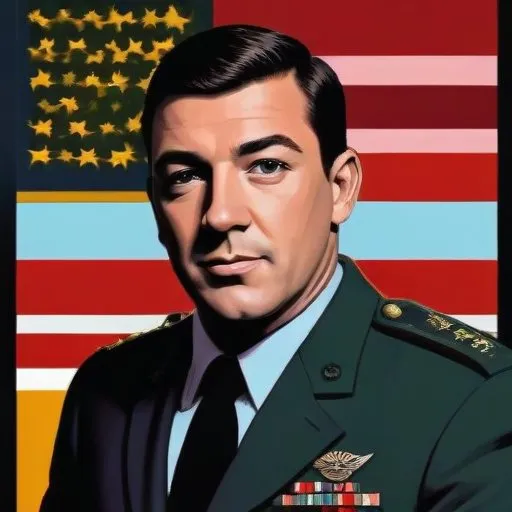
Duncan Hunter: A Life of Service and Leadership
A Legacy of Public Service
Duncan Hunter is a renowned American politician, known for his dedicated service to the country, particularly in the realm of national security and foreign policy. As a Republican member of the House of Representatives from California's 52nd, 45th, and 42nd districts from 1981 to 2009, Hunter has left an indelible mark on American politics.
Military Service and Early Life
Born on May 31, 1948, in Riverside, California, Hunter's early life was shaped by his family's values of service and duty. His father, Robert Olin Hunter, was a World War II veteran, and his mother, Lola Lee, was a dedicated homemaker. Hunter's educational pursuits took him to the University of Montana and the University of California, Santa Barbara, before he was commissioned into the United States Army in 1969.
During the Vietnam War, Hunter served in South Vietnam from 1970 to 1971 as a member of the Army Rangers, 75th Infantry Regiment, attached to the 173rd Airborne Brigade. His bravery and dedication earned him the Bronze Star, Air Medal, and various service ribbons, including the Vietnam Service Medal.
Legal Career and Early Political Forays
After his military service, Hunter utilized the G.I. Bill to enroll at the Western State University College of Law (now
Thomas Jefferson School of Law) in San Diego. He earned a Bachelor of Science in Law and Juris Doctor in 1976, while working on farms and in construction to supplement his income. Admitted to the State Bar of California in 1976, Hunter held inactive status since January 1977, focusing on his budding political career.
Rise to Prominence: Chairman of the House Armed Services Committee
Hunter's political ascendancy began in 1981, when he was elected to the House of Representatives from California's 52nd district. His expertise in national security and foreign policy led to his appointment as Chairman of the House Armed Services Committee during the 108th and 109th Congress. This position enabled him to shape the country's defense policies and budgets, solidifying his reputation as a leader in this realm.
Presidential Ambitions and Later Career
In 2007, Hunter sought the Republican Party nomination for President of the United States, but his campaign ultimately fell short. He continued to serve in the House of Representatives until 2009, when he was succeeded by his son, Duncan D. Hunter. After leaving Congress, Hunter remained engaged in public life, advocating for conservative policies and national security issues.
Legacy and Impact
Throughout his career, Duncan Hunter has demonstrated unwavering dedication to public service, national security, and the well-being of his constituents. His military service, legal expertise, and political leadership have left an enduring impact on American politics. As a champion of conservative values, Hunter's legacy serves as a testament to the power of dedicated public service.
Personal Milestones and Key Life Events
- May 31, 1948: Born in Riverside, California
- 1966: Graduated from Rubidoux High School in Riverside
- 1969: Commissioned into the United States Army
- 1970-1971: Served in South Vietnam during the Vietnam War
- 1973: Enrolled at the Western State University College of Law
- 1976: Earned a Bachelor of Science in Law and Juris Doctor
- 1981: Elected to the House of Representatives from California's 52nd district
- 108th and 109th Congress: Chairman of the House Armed Services Committee
- 2007: Sought the Republican Party nomination for President of the United States
- 2009: Succeeded by his son, Duncan D. Hunter, in the House of Representatives
Quotes and Memorable Sayings
"I didn't do anything special in the U.S. Army, but I served with very special soldiers I will never forget." - Duncan Hunter
FAQ
What was Duncan Hunters military service?
Duncan Hunter served as a lieutenant in the United States Army during the Vietnam War. He was awarded several commendations for his service, including the Bronze Star and the Purple Heart.
What were Duncan Hunters political achievements?
Duncan Hunter served as a Republican congressman from Californias 52nd congressional district from 1981 to 2009. During his tenure, he chaired the House Armed Services Committee and was a strong advocate for military funding and veterans affairs.
What was Duncan Hunters stance on immigration?
Duncan Hunter was a strong opponent of illegal immigration and advocated for stricter border control measures. He sponsored several bills aimed at addressing the issue, including the Secure Fence Act of 2006.
How did Duncan Hunters military service influence his politics?
Duncan Hunters military service had a profound impact on his politics. His experiences in Vietnam shaped his views on national security and foreign policy, and he became a strong advocate for a robust military and veterans affairs.
What was Duncan Hunters legacy in Congress?
Duncan Hunters legacy in Congress is one of dedicated public service and strong advocacy for the military and veterans. He was a respected figure in Washington and leaves behind a legacy of accomplishments that continue to impact American politics.