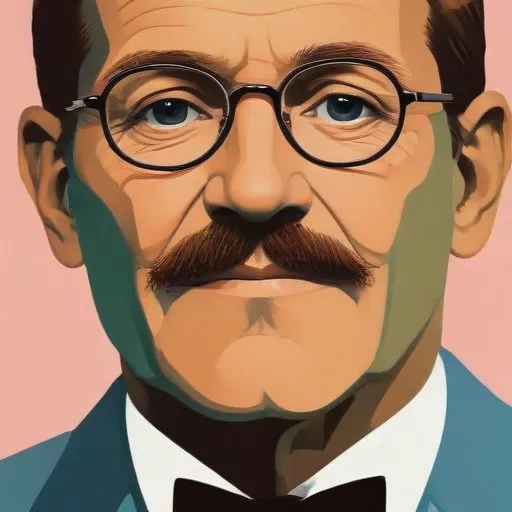
E. B. Ford: The Pioneering Ecological Geneticist
A Legacy in Genetics and Ecology
E. B. Ford is renowned for his groundbreaking contributions to the field of ecological genetics, earning him the esteemed Darwin Medal in 1954. As a British ecological geneticist, Ford's work revolutionized our understanding of natural selection, genetics, and the intricate relationships between species and their environments.
Early Life and Education
Ford was born on April 23, 1901, in Dalton-in-Furness, Lancashire, England, to Harold Dodsworth Ford, a classics teacher turned Anglican clergyman, and his wife, Gertrude Emma Bennett. His paternal grandfather, Dr. Henry Edmund Ford, was a professor of music at Carlisle and the organist of Carlisle Cathedral. Ford's educational journey began at St Bees School, Cumberland (now Cumbria), followed by Wadham College, Oxford, where he read zoology and graduated with a B.A. in 1924, later upgraded to M.A. in 1927, B.Sc. in 1927, and ultimately earning a D.Sc. in 1943.
Career and Research Highlights
Ford's academic career was deeply rooted in the University of Oxford, where he was taught genetics by the influential
Julian Huxley. He was appointed University Demonstrator in Zoology in 1927 and Lecturer at University College, Oxford. Ford's research focused on the genetics of natural populations, leading to the establishment of the field of ecological genetics. His most notable work, "Butterflies" (1945), remains a seminal text in the field.
Philosophical Contributions and Beliefs
Ford's work was characterized by a deep appreciation for the intricate relationships between species and their environments. He believed that natural selection played a crucial role in shaping the evolution of species, and his research provided significant insights into the mechanisms driving this process.
Influence on Modern Society
Ford's pioneering work in ecological genetics has had a profound impact on our understanding of the natural world. His research has informed conservation efforts, environmental policies, and our comprehension of the delicate balance within ecosystems.
Awards and Honors
Ford's contributions to science were recognized with the prestigious Darwin Medal in 1954, awarded by the Royal Society.
Personal Milestones and Key Life Events
Ford's life was marked by a deep passion for his work, which was fueled by his childhood fascination with lepidoptera (butterflies and moths). His academic pursuits were shaped by his mentors, including Julian Huxley and Ray Lankester, whom he met through E.B. Poulton.
Legacy
E. B. Ford's work has left an indelible mark on the fields of genetics, ecology, and evolutionary biology. His pioneering spirit, rigorous research, and influential publications have inspired generations of scientists, ensuring his legacy continues to shape our understanding of the natural world.
- Ford's work on ecological genetics has been widely recognized, and his research has been cited in numerous publications.
- His book, "Butterflies," remains a seminal text in the field, offering insights into the genetics of natural populations.
- Ford's contributions to conservation efforts and environmental policies have had a lasting impact on our understanding of the natural world.
FAQ
What was E.B. Fords contribution to genetics?
E.B. Ford made significant contributions to the field of genetics, including the development of the theory of genetic drift and the discovery of the genetic basis of mimicry in butterflies.
What is the significance of E.B. Fords work on genetic drift?
E.B. Fords work on genetic drift helped to explain how genetic variation arises and is maintained in populations, and has had a lasting impact on our understanding of evolution and adaptation.
What was E.B. Fords experience like as a researcher?
E.B. Ford was a prolific researcher who conducted fieldwork and laboratory experiments to study the genetics of natural populations, particularly butterflies and moths.
What is E.B. Fords legacy in the field of genetics?
E.B. Ford is remembered as a pioneer in the field of genetics, and his work has influenced generations of researchers. He was elected a Fellow of the Royal Society in 1946.
What were E.B. Fords interests outside of genetics?
E.B. Ford was an avid naturalist and had a passion for entomology, the study of insects. He was also a skilled photographer and published several books on his travels and observations.