


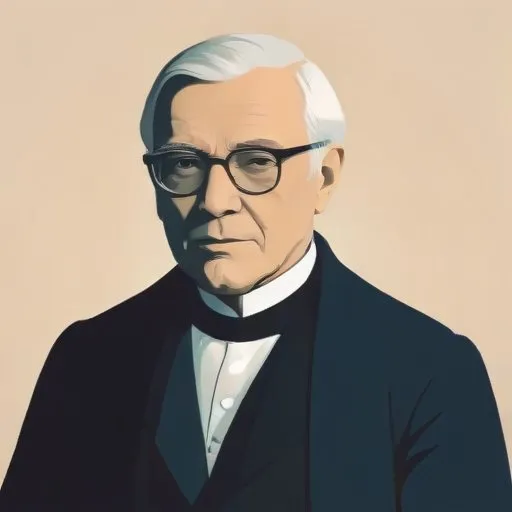
Estonian historian and academic specializing in the country's medieval and early modern periods, particularly the Teutonic Order and Hanseatic League.
Ea Jansen, a revered Estonian historian, dedicated her life to unraveling the complexities of Finno-Ugric history, earning her a distinctive place in the annals of academic excellence. Her groundbreaking research and contributions have left an indelible mark on our understanding of the region's rich cultural heritage.
Born on November 14, 1921, in Tallinn, Estonia, Ea Jansen was the daughter of Helmi Press-Jansen, a pioneering Estonian feminist, and August Jansen, a talented painter. This artistic and intellectual upbringing laid the foundation for Ea's future academic pursuits.
Ea's academic journey began at Tallinn 9th Secondary School, where she graduated in 1941. She then enrolled at the University of Tartu, graduating with a degree in history in 1949. This rigorous education equipped her with the skills and knowledge necessary to embark on a remarkable career in historical research.
Ea Jansen's most notable contribution to the field of history is her in-depth exploration of Finno-Ugric history. Her seminal article, "From an Ethnic Community to National Statehood: The Case of Estonians" (1998), is a testament to her dedication to understanding the complexities of Estonian identity and its evolution over time.
Throughout her career, Ea worked tirelessly at Tallinn Pedagogical University, fostering a new generation of historians and enthusiasts. Her influence extends beyond the academic realm, as her research has contributed significantly to Estonia's national identity and cultural consciousness.
Ea Jansen's life was marked by a commitment to her craft, unwavering dedication to her students, and an unrelenting passion for uncovering the secrets of the past. Her life's work serves as a beacon of inspiration for scholars and enthusiasts alike, ensuring that her legacy will endure for generations to come.
On April 20, 2005, Ea Jansen passed away in her hometown of Tallinn, leaving behind a rich tapestry of knowledge, ideas, and ideals that continue to inspire and educate us today.
In the context of Estonian historiography, Ea Jansen's work represents a significant departure from traditional approaches, which often focused on grand narratives and sweeping narratives. Instead, Ea's meticulous research and attention to detail have allowed for a more nuanced understanding of Finno-Ugric history, acknowledging the complexities and multifaceted nature of cultural identity.
By examining Ea Jansen's life and work, we gain a deeper understanding of the intricate relationships between history, culture, and identity. Her pioneering spirit, intellectual curiosity, and dedication to her craft have created a lasting impact on the field of history, ensuring that her legacy will continue to inspire and educate future generations.
Born in 1527
A 16th-century German theologian who played a key role in shaping Lutheran orthodoxy, contributing to the development of Lutheran confessional writings.
Born in 1694
A German philosopher and academic who challenged traditional Christian views with his radical biblical criticism, arguing that Jesus' teachings were rooted in Jewish rationalism. He's known for his influential yet controversial writings on the historical Jesus.
Born in 1744
A German Enlightenment thinker who shaped modern philosophy, literature, and anthropology with his ideas on cultural relativism, nationalism, and the importance of folklore. He's often considered the father of comparative literature.
