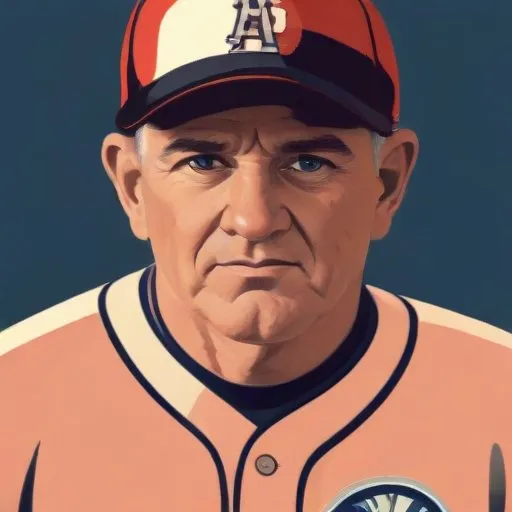
Eddie Dyer: The Visionary Who Shaped the St. Louis Cardinals' Golden Era
A Managerial Mastermind and Pitching Prodigy
Eddie Dyer is renowned for his incredible managerial prowess, leading the St. Louis Cardinals to victory in the 1946 World Series, making him the second rookie manager to accomplish this feat. As a left-handed pitcher, manager, and farm system official, Dyer's impact on Major League Baseball spans over two decades, leaving an indelible mark on the sport.
The Early Years: A Multitalented Athlete
Born on October 11, 1899, in Morgan City, Louisiana, Dyer was the fourth of seven children to Joseph M. and Alice Natalie Dyer. Growing up, he excelled in multiple sports, earning scholarships and accolades in football, baseball, and track and field at Morgan City High School. He later attended Rice Institute, where he lettered in three sports, winning the Southwest Conference championship in the broad jump and earning a spot on the All-SWC football team in 1920.
A Rise to Prominence: From Pitcher to Manager
Dyer's baseball career took off when he signed with the St. Louis Cardinals in 1922, leaving college two credits short of graduation. He played for the team until 1933, later transitioning to coaching and scouting roles. In 1946, Dyer became the manager of the Cardinals, guiding the team to a thrilling National League championship and ultimately, the World Series title.
Awards and Honors
- 1946 World Series Champion (Manager)
- Second rookie manager to win a World Series
- First manager to win a World Series since Bucky Harris in 1924
Philosophical Contributions and Beliefs
Dyer's managerial philosophy emphasized teamwork, discipline, and adaptability. He believed in fostering a strong sense of camaraderie among his players, encouraging open communication, and making strategic decisions based on the strengths and weaknesses of his team.
Personal Milestones and Key Life Events
- 1917: Graduated from Morgan City High School
- 1922: Signed with the St. Louis Cardinals
- 1946: Led the Cardinals to the World Series championship
- 1950: Ended his tenure as the Cardinals' manager
Legacy and Impact on Modern Society
Eddie Dyer's legacy extends beyond his on-field accomplishments. He played a crucial role in shaping the St. Louis Cardinals' golden era, paving the way for future generations of players and managers. His managerial style and philosophies continue to influence the sport, making him an iconic figure in baseball history.
Controversies and Public Perception
Despite his success, Dyer faced criticism for his handling of the team during the 1946 World Series. Some questioned his decision-making, particularly in regards to pitching strategies. However, these criticisms did little to tarnish his reputation as a managerial mastermind.
Influence on Pop Culture
Dyer's World Series victory has been referenced in various forms of media, including films, literature, and music. His story serves as a testament to perseverance, hard work, and the importance of teamwork.
Trivia and Fun Facts
- Dyer was an excellent broad jumper, winning the Southwest Conference championship in the event.
- He pitched a no-hitter against Baylors Ted Lyons, later a Hall of Fame pitcher for the White Sox.
- Dyer's signing bonus with the Cardinals helped pay off his father's debts and put his younger brother, Sammy, through college.
Eddie Dyer's remarkable journey, marked by triumphs, setbacks, and unwavering dedication, continues to inspire generations of baseball enthusiasts. His place in the annals of baseball history is secure, a testament to his contributions to the sport as a player, manager, and visionary leader.
FAQ
What was Eddie Dyers playing career like in baseball?
Eddie Dyer played professional baseball from 1919 to 1935, mostly as an outfielder, and was known for his strong defensive skills. He played for several teams, including the St. Louis Cardinals, where he won a World Series championship in 1926.
How did Eddie Dyers managerial career shape up?
Eddie Dyer managed the St. Louis Cardinals from 1946 to 1950, leading the team to three National League pennants and one World Series championship in 1946. He was known for his player development skills and ability to motivate his players.
What was Eddie Dyers role in baseballs integration?
Eddie Dyer played a significant role in baseballs integration by being one of the first managers to give African American players opportunities to play in the major leagues. He managed Jackie Robinson, the first African American player in the majors, in the 1947 season.
What awards and honors did Eddie Dyer receive?
Eddie Dyer was inducted into the St. Louis Cardinals Hall of Fame in 2014 and has a star on the St. Louis Walk of Fame. He also received theKeys to the City of St. Louis in 1946 for his contribution to the citys baseball heritage.
How is Eddie Dyer remembered in baseball history?
Eddie Dyer is remembered as a pioneering manager who contributed to the development of many baseball players, including hall-of-famers like Stan Musial and Enos Slaughter. His legacy continues to inspire baseball enthusiasts and historians alike.