


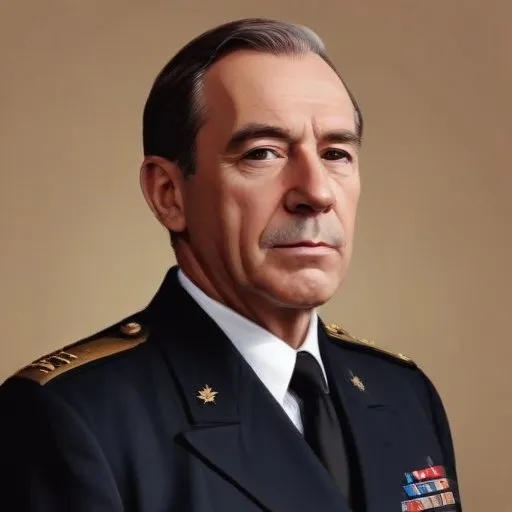
A decorated military general and diplomat who served as the United States Ambassador to Spain, known for his leadership and diplomatic efforts during World War I and the post-war period.
Edward Burd Grubb, Jr. is remembered for his unwavering commitment to social justice and his unrelenting critiques of authority. As a renowned American Quaker and conscientious objector, Grubb's life was a testament to the power of nonviolent resistance and civil disobedience.
Born on September 10, 1893, in Philadelphia, Pennsylvania, Grubb grew up in a Quaker family that instilled in him the values of pacifism and community service. His early life was marked by a strong sense of social responsibility, which would later shape his activism.
During World War I, Grubb refused to participate in the war effort, citing his religious beliefs and moral objections to violence. This decision led to his imprisonment at Fort Riley, Kansas, where he was subjected to harsh conditions and mistreatment. Despite the adversity, Grubb continued to advocate for peace and nonviolence, inspiring a generation of activists.
Grubb's philosophy centered around the principles of nonviolence, civil disobedience, and the importance of individual conscience. He believed that individuals had a moral obligation to resist unjust authority and to take a stand against oppression. His writings and speeches passionately argued for the power of nonviolent resistance as a means to achieve social change.
Grubb's most notable work was his participation in the Emergency Peace Campaign, a movement that advocated for international cooperation and disarmament. He also worked closely with notable figures such as A.J. Muste and Norman Thomas, mobilizing opposition to war and promoting pacifist ideals.
Grubb's unwavering commitment to nonviolence and civil disobedience has inspired generations of activists, from the Civil Rights Movement to anti-war protests. His legacy serves as a powerful reminder of the importance of individual conscience and the power of nonviolent resistance to achieve social change.
"The greatest glory in living lies not in never falling, but in rising every time we fall. And we will fall, repeatedly, in our struggle for peace and justice. But we must rise, and we must not be deterred."
Grubb's life and activism were shaped by the tumultuous era of World War I and the subsequent rise of the American peace movement. His unwavering dedication to nonviolence and civil disobedience has left an indelible mark on the history of social activism, inspiring countless individuals to stand up against injustice and oppression.
Edward Burd Grubb, Jr.'s courageous stance against authority and his unrelenting pursuit of peace and justice serve as a beacon of hope for a more compassionate and equitable world.
Born in 1890
Led the Allied forces to victory in World War II and later served as President, maintaining peace and prosperity during the Cold War era. He's known for his strategic leadership and diplomatic skills.
Born in 1917
The 35th President of the United States was a charismatic leader who navigated the country through the Cuban Missile Crisis and advocated for civil rights, leaving a lasting legacy in American politics.
Born in 1908
The 36th President of the United States, a skilled politician and leader, played a crucial role in passing landmark civil rights legislation, including the Civil Rights Act and Voting Rights Act.
Born in 1913
The 37th President of the United States, a polarizing figure who led the country through significant domestic and foreign policy changes, infamous for his involvement in the Watergate scandal.
Born in 1913
The 38th President of the United States, a former football star and lawyer, is known for being the first vice president to assume the presidency under the 25th Amendment and for his controversial pardon of Richard Nixon. He's also remembered for his humble and accidental rise to the presidency.
Born in 1924
A naval officer turned politician who served as the 39th President of the United States, known for his commitment to human rights and social justice, and awarded the Nobel Peace Prize in 2002.
Born in 1911
The charismatic leader who championed conservative policies, helped end the Cold War, and is often credited with restoring American pride and optimism. He's also remembered for his folksy, actor-honed communication style.
Born in 1924
The 41st President of the United States, a decorated war hero and skilled diplomat, led the country through the end of the Cold War and Gulf War. He's known for his foreign policy expertise and "kinder, gentler nation" vision.
