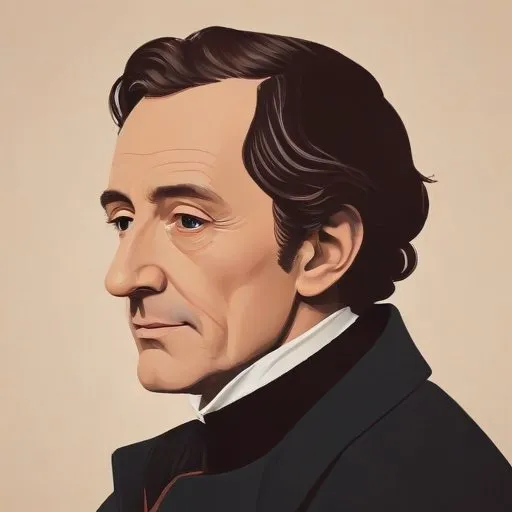
Edward Carpenter: The Visionary Philosopher and Poet
The Early Advocate for Social Change
Edward Carpenter, a renowned English utopian socialist, poet, philosopher, and anthologist, is best known for his pioneering work in advocating for gay rights, prison reform, vegetarianism, and anti-vivisection. His influential publication,
Civilisation: Its Cause and Cure, critiqued civilisation as a disease that human societies must overcome.
Early Life and Education
Born on August 29, 1844, in Hove, Sussex, Carpenter was educated at Brighton College, where his father, Charles Carpenter, was a governor. His academic talents became apparent later in his youth, earning him a place at Trinity Hall, Cambridge. It was at Trinity Hall that Carpenter came under the influence of Christian Socialist theologian F. D. Maurice, which had a profound impact on his philosophical outlook.
Exploring Identity and Friendship
During his time at Cambridge, Carpenter began to explore his feelings for men, which led to a close friendship with Edward Anthony Beck, later Master of Trinity Hall. Although the friendship eventually ended, it had a lasting impact on Carpenter's life and work.
A Conduit for Social Change
Carpenter's philosophical contributions and beliefs centered around the idea of social change and the importance of individual freedom. His work,
Towards Democracy, explored the concept of democracy and its relationship to individual liberty. He was also an early advocate for sexual liberation, inspiring notable writers such as
D. H. Lawrence and E. M. Forster.
Major Works and Publications
- Civilisation: Its Cause and Cure (1889)
- Towards Democracy (1883)
- The Intermediate Sex (1908)
- My Days and Dreams (1916)
Influence on Modern Society
Carpenter's work had a significant impact on modern society, inspiring a new generation of thinkers and writers. His advocacy for gay rights, prison reform, and vegetarianism paved the way for future social movements. His philosophical contributions continue to influence contemporary thought on individual freedom and social change.
Personal Milestones and Legacy
Edward Carpenter's life was marked by personal milestones, including his decision to leave the Church of England and his move to Millthorpe, a rural community in Derbyshire. Carpenter's legacy continues to inspire new generations of thinkers and social activists, cementing his place as a visionary philosopher and poet of his time.
Quotes and Memorable Sayings
- "The new civilization will be a synthesis of the old, not a mere negation of it."
- "The cure of a great social evil is not to be found in the suppression of individual liberty, but in its extension."
A Lasting Impact
Edward Carpenter's remarkable life and work continue to inspire and influence contemporary thought on social change, individual freedom, and human rights. As a pioneer in his field, Carpenter's legacy serves as a beacon for those seeking to create a more just and equitable world.
FAQ
What was Edward Carpenters role in the Labour movement?
Carpenter was a prominent figure in the Labour movement in England, and he played a key role in promoting socialist and anarchist ideas.
What was Carpenters philosophy like?
Carpenter was influenced by socialist and anarchist thinkers such as William Morris and Peter Kropotkin, and he believed in the importance of individual freedom and decentralization.
What was Carpenters relationship like with other Labour leaders?
Carpenter worked closely with other prominent Labour leaders, including Keir Hardie and Ramsay MacDonald, to promote socialist and labourist ideas.
How did Carpenters ideas influence the Labour movement?
Carpenters ideas about socialism, anarchism, and individual freedom helped to shape the Labour movement in England, and his influence can still be seen today.
What is Carpenters legacy in English politics?
Carpenter is remembered as a pioneering figure in the Labour movement, and his ideas about socialism and individual freedom continue to influence English politics today.