


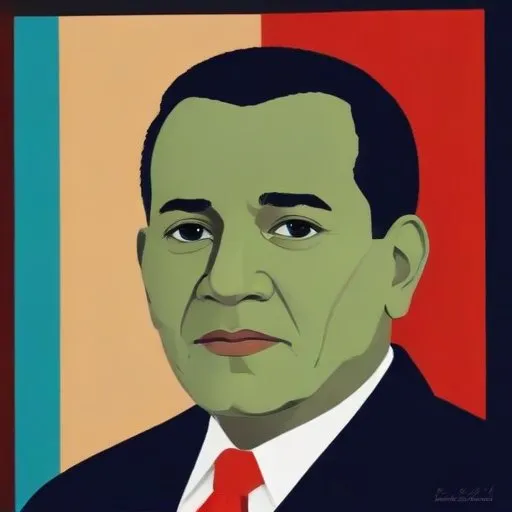
First Premier of Dominica, leading the country to independence from Britain in 1978, and shaping its early years as a sovereign nation.
Edward Oliver LeBlanc, a stalwart of Dominican politics, is revered for his tireless efforts in shaping the country's infrastructure, education, and culture. As the chief minister from 1961 to 1967 and the first premier from 1967 to 1974, LeBlanc left an indelible mark on the island nation.
Born on October 3, 1923, in Vieille Case, a village in the north of Dominica, LeBlanc's formative years were spent attending the local school. He later pursued higher education at the Imperial College of Tropical Agriculture in Trinidad, where he studied agriculture.
LeBlanc's entry into politics began with his involvement in the Dominica Trade Union. He soon became an early member of the Dominica Labour Party (DLP) and served as a representative in the country's Legislative Council, representing the constituency of Portsmouth between 1957 and 1958. When the West Indies Federation was established in 1958, LeBlanc represented Dominica in the Federal Parliament.
In 1960, he left the federation to focus on national politics and was elected to the constituency of Roseau South in the 1961 general election. This victory catapulted him to the position of chief minister and minister of finance, paving the way for his illustrious career.
As chief minister, LeBlanc worked diligently to develop Dominica's infrastructure, education, and culture. He championed the construction of roads, recognizing their potential to drive economic growth and improve living standards. His commitment to education led to the establishment of schools and education programs, empowering the island's youth.
In 1967, Dominica was granted associated statehood, and LeBlanc became the first premier. He continued to prioritize the nation's development, promoting the native dance, Kwyl language, and national day, which remain integral to Dominica's cultural identity.
LeBlanc's leadership faced challenges from the Dominica Freedom Party and the growing youth and Rastafarian movements. However, he persevered, forming the LeBlanc Labour Party in 1970, which enabled him to win eight of the eleven seats in the legislature.
In 1974, LeBlanc resigned as premier, paving the way for his deputy premier, Patrick John, to take the reins. He remained active in public life, participating in the Constitutional Conference in May 1977, before retiring from politics.
Edward Oliver LeBlanc's legacy extends far beyond his political tenure. He is remembered as a champion of the working class, a dedicated nation builder, and a passionate advocate for education, culture, and infrastructure development. His contributions haveleft an indelible mark on Dominica's history, cementing his place as one of the most influential figures in the country's struggle for independence and progress.
64 Years Old
French documentary filmmaker and producer, known for capturing the lives of ordinary people and social issues, often focusing on the struggles of the working class.
Born in 1910
Led the country to independence from British colonial rule and served as its first prime minister, implementing policies to promote economic growth and social welfare.
