


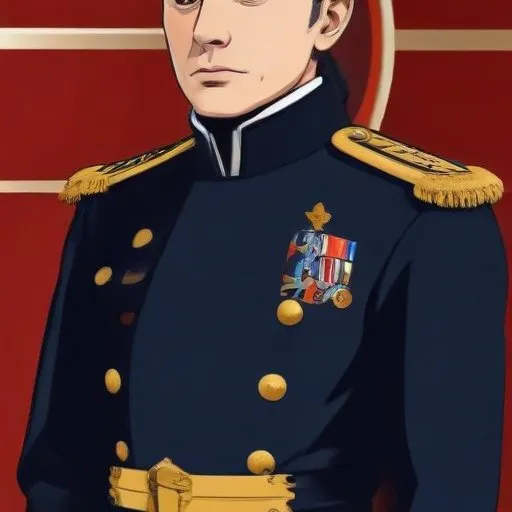
A British naval officer and politician who served as a Member of Parliament and held various government positions, known for his role in shaping the country's naval policies and defense strategies.
Edward du Cann, a British politician and businessman, is best known for his influential role in shaping the Conservative Party's trajectory, particularly during the 1960s and 1970s. As the chairman of the 1922 Committee, he played a crucial part in the events leading up to Margaret Thatcher's rise to leadership.
Born on May 28, 1924, du Cann was educated at Colet Court, Woodbridge School, and St John's College, Oxford. During his time at Oxford, he formed a lasting friendship with renowned author Kingsley Amis.
During World War II, du Cann served as an officer in the Royal Navy, commanding motor torpedo boats based in East Anglia. After the war, he transitioned into the business world, becoming a company director.
In 1951, du Cann contested the Walthamstow West constituency, followed by Barrow-in-Furness in 1955, though both attempts were unsuccessful. He finally secured a seat as MP for Taunton in a 1956 byelection.
His political career saw him hold various positions, including Economic Secretary to the Treasury (1962), Minister of State at the Board of Trade (1963-1964), and chairman of the Conservative Party (1965-1967). In 1964, he was sworn in as a Member of the Privy Council.
In 1972, du Cann became chairman of the 1922 Committee, a position he held until 1984. During this period, he played a significant role in the events surrounding Margaret Thatcher's rise to leadership. Following Edward Heath's consecutive electoral defeats, du Cann facilitated a crucial meeting of the 1922 Committee's executive at his home, which ultimately led to Heath's resignation and Thatcher's ascension.
du Cann's influence extended beyond his party to the broader political landscape. His behind-the-scenes maneuvering helped shape the course of British politics, particularly during the tumultuous 1970s. His legacy serves as a testament to the power of effective politicking and strategic alliances.
Throughout his life, du Cann maintained a strong connection with his Oxford roots, often hosting gatherings and events for his fellow alumni. His wartime service and later political career left an indelible mark on the lives of those around him, including notable figures like Owen Aisher and David Wickins.
du Cann's contributions to politics and public life earned him recognition and accolades, including his appointment as a Member of the Privy Council in 1964.
Edward du Cann's remarkable life and career serve as a testament to the power of strategic alliances, effective politicking, and dedication to public service.
Born in 1871
Prolific writer of historical novels and adventure stories, also a talented landscape painter.
Born in 1894
A British politician who served as Prime Minister from 1957 to 1963, known for leading the country through a period of economic prosperity and decolonization.
Born in 1903
A British aristocrat who served as Prime Minister from 1963 to 1964, known for his brief tenure and aristocratic background.
Born in 1897
A British politician who served as Prime Minister from 1955 to 1957, known for his role in the Suez Crisis and his diplomatic efforts during the Cold War.
Born in 1885
Won the 1952 Olympic Games marathon in Helsinki, Finland, and held the world record in the marathon from 1952 to 1953.
Born in 1912
A British politician who served as Prime Minister from 1976 to 1979, known for his efforts to stabilize the economy and navigate the country through a period of industrial unrest.
Born in 1925
The first female Prime Minister of the United Kingdom, serving from 1979 to 1990, known for her conservative policies and leadership during the Falklands War.
83 Years Old
A former Prime Minister of the United Kingdom, he led the country from 1990 to 1997, playing a key role in shaping the nation's economy and foreign policy during a tumultuous period.
