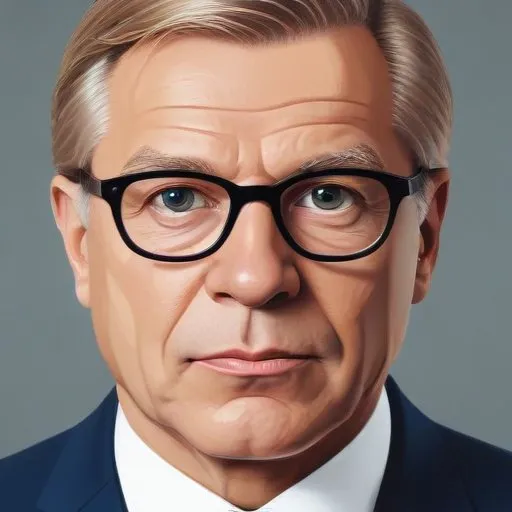
Edwin Linkomies: The Fennoman Academic and Prime Minister of Finland
A Legacy of Leadership and Scholarship
Edwin Linkomies, born Edwin Flinck, is renowned for his tenure as the Prime Minister of Finland from March 1943 to August 1944, as well as his subsequent imprisonment and later academic pursuits. A prominent fennoman, Linkomies left an indelible mark on Finland's history, politics, and education.
Early Life and Academic Career
Linkomies was born on December 22, 1894, in Viipuri, southeastern Finland, to a Swedish-Finnish officer who died soon after his birth. Growing up in Rauma, western Finland, Linkomies demonstrated academic excellence, graduating at the age of 19 and completing his dissertation at 22. He went on to become a professor and head of the department of Latin literature at the University of Helsinki, where he was known for his Anglo-Saxon style of presentation, emphasizing grand lines over intricate details.
Political Career and Imprisonment
Linkomies' foray into politics began in 1943, when he became the Prime Minister of Finland. However, his tenure was short-lived, as Finland's Continuation War with the Soviet Union ended in defeat. In 1946, Linkomies was sentenced to five and a half years in prison, along with six other politicians, for his role in the war. He was paroled in 1948 and went on to pursue an illustrious academic career.
Academic Achievements and Legacy
Linkomies' academic prowess earned him numerous accolades. He served as the prorector of the University of Helsinki from 1932 to 1943 and later became the rector from 1956 to 1962. His final role was as the Chancellor of the University from 1962 until his death in 1963. As a teacher and scientific leader, Linkomies was respected for his clear and simplistic presentation style, which emphasized the grand lines rather than intricate details.
A Man of Contrasts
Linkomies' personality was marked by contradictions. He was known for being demanding, authoritarian, and keen on the dignity of his office, yet he was also respected for his Anglo-Saxon style of presentation. As the last of his kind, Linkomies represented a bygone era of Finnish academics who were recruited from academia to important political tasks.
Personal Milestones and Key Life Events
- Born on December 22, 1894, in Viipuri, southeastern Finland
- Graduated at the age of 19 and completed his dissertation at 22
- Became a professor and head of the department of Latin literature at the University of Helsinki
- Served as the Prime Minister of Finland from March 1943 to August 1944
- Imprisoned for five and a half years for his role in the Continuation War
- Paroled in 1948 and pursued an academic career
- Served as the prorector, rector, and Chancellor of the University of Helsinki
- Died on September 9, 1963
Conclusion
Edwin Linkomies' life was a testament to his unwavering dedication to academia and politics. His legacy continues to inspire generations, serving as a reminder of the importance of leadership, scholarship, and public service.
FAQ
What was Edwin Linkomies role in Finnish politics?
Edwin Linkomies was a Finnish politician who served as the Prime Minister of Finland from 1943 to 1944, leading the country through a critical period during World War II.
What was Edwin Linkomies academic background?
Edwin Linkomies was a professor of philosophy and aesthetics, holding academic positions at the University of Helsinki and other institutions, and publishing works on philosophical and cultural topics.
How did Edwin Linkomies contribute to Finnish education?
Edwin Linkomies contributed to Finnish education by serving as the Chancellor of the University of Helsinki and promoting education reform, emphasizing the importance of education in fostering critical thinking and civic engagement.
What awards did Edwin Linkomies receive for his service?
Edwin Linkomies received numerous awards and honors for his service, including the Order of the White Rose of Finland and the Order of the Lion of Finland.
What is Edwin Linkomies legacy in Finnish politics?
Edwin Linkomies legacy in Finnish politics is one of statesmanship, intellectual curiosity, and commitment to public service, inspiring future generations of Finnish leaders to prioritize education, cultural development, and national unity.