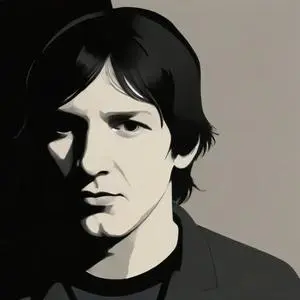
Elliott Smith: The Troubled Genius of Indie Rock
A Sonic Poet and Multi-Instrumentalist
Elliott Smith was a critically acclaimed American musician and singer-songwriter known for his introspective and emotionally charged indie rock music. With a distinctive whispery vocal style and masterful command of multiple instruments, Smith's solo career spanned over a decade, leaving an indelible mark on the music world.
Early Life and Musical Beginnings
Born Steven
Paul Smith on August 6, 1969, in Omaha, Nebraska, he was raised in Texas and later settled in Portland, Oregon, where he formed the rock band Heatmiser in the early 1990s. Smith's primary instrument was the guitar, but he was also proficient in piano, clarinet, bass guitar, drums, and harmonica.
Solo Career and Breakthrough
In 1994, Smith embarked on a solo career, releasing music on independent labels Cavity Search and Kill Rock Stars. His breakthrough came in 1997 with the song "Miss Misery," which was featured on the soundtrack of the film Good Will Hunting, earning him an Academy Award nomination for Best Original Song.
Mainstream Success and Record Deal
The success of "Miss Misery" led to Smith signing with DreamWorks Records, where he released his final two albums. This period saw Smith's music reach a wider audience, with critics praising his introspective lyrics and soaring melodies.
Battling Demons: Mental Illness and Addiction
Throughout his life, Smith struggled with attention deficit hyperactivity disorder (ADHD), depression, and addiction. His lyrics often referenced his struggles, providing a glimpse into the turmoil he faced. Smith's personal demons ultimately took a devastating toll on his life and work.
Tragic Death and Posthumous Legacy
On October 21, 2003, Elliott Smith passed away at the age of 34, due to two stab wounds to the chest. The autopsy evidence did not determine whether the wounds were self-inflicted. Smith's untimely death shocked the music world, leaving behind a legion of fans and a body of work that continues to inspire and influence new generations of musicians.
Posthumous Release and Legacy
In 2004, the album From a Basement on the Hill was posthumously released, featuring some of Smith's most experimental and introspective work. Today, Elliott Smith's music remains a testament to his innovative spirit, emotional depth, and poetic genius, cementing his place as one of the most beloved and respected figures in indie rock history.
Discography
- Roman Candle (1994)
- Elliott Smith (1995)
- Either/Or (1997)
- XO (1998)
- Figure 8 (2000)
- From a Basement on the Hill (2004)
Quotes and Memorable Sayings
- "I'm not gonna lie, I'm really bad at being a human being." - Elliott Smith
- "I'm always gonna be making music, no matter what." - Elliott Smith
Influence on Modern Society
Elliott Smith's music has inspired a wide range of artists, from Death Cab for Cutie to The National. His introspective and emotionally charged songwriting has also influenced the indie rock genre as a whole, paving the way for future generations of musicians.
FAQ
What was Elliott Smiths music style?
Elliott Smith was a singer-songwriter and guitarist known for his introspective, emotionally charged indie rock music, often characterized by his distinctive vocal style and poetic lyrics.
What was Elliott Smiths biggest hit?
Elliott Smiths most famous song is arguably Miss Misery, which was nominated for an Academy Award for Best Original Song in 1998 after being featured in the film Good Will Hunting.
Did Elliott Smith struggle with addiction and depression?
Yes, Elliott Smith struggled with addiction and depression throughout his life, which he often addressed in his music, before his tragic death in 2003.
What is Elliott Smiths legacy in indie rock music?
Elliott Smiths introspective and emotionally charged songwriting has influenced a generation of indie rock musicians, cementing his legacy as a cult hero of the genre.
Are there any documentaries or films about Elliott Smiths life?
Yes, the documentary Heaven Adores You (2014) explores Elliott Smiths life, music, and struggles, featuring interviews with friends, family, and fellow musicians.