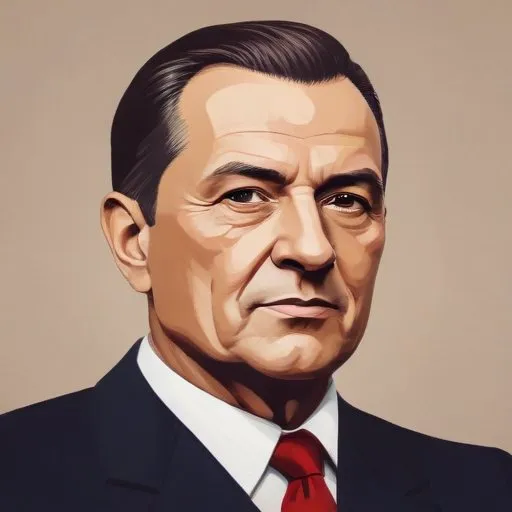
Emil Constantinescu: The Romanian Professor-Turned-Politician Who Shaped a Nation
A Leader of Change
Emil Constantinescu is a renowned Romanian professor and politician who served as the President of Romania from 1996 to 2000. He is credited with playing a pivotal role in shaping the country's transition from communism to democracy after the Romanian Revolution of 1989.
Early Life and Education
Born on November 19, 1939, in Tighina, Tighina county (now in the Republic of Moldova), Constantinescu spent his childhood in Brdetu village, Arge County. He pursued his education at the Nicolae Blcescu High School in Pitesti and enrolled at the Faculty of Law of the University of Bucharest in 1956. He obtained a Diploma in Legal Sciences in 1960.
Rise to Prominence
Constantinescu became a founding member and vice president of the Civic Alliance (AC) after the Romanian Revolution. He also served as the acting president of the Democratic Romanian Anti-Totalitarian Forum, which later transformed into the Romanian Democratic Convention (CDR). This center-right political and electoral alliance played a significant role in shaping Romania's democratic landscape.
Presidency and Reforms
During his presidency from 1996 to 2000, Constantinescu implemented several reforms aimed at strengthening democracy and promoting economic growth. He introduced measures to combat corruption, encouraged foreign investment, and supported the country's bid to join NATO and the European Union.
Post-Presidency and Legacy
After completing his term as president, Constantinescu continued to be involved in politics, albeit to a limited extent. He presided over the People's Action (AP) party from the early 2000s until it merged with the National Liberal Party (PNL) in 2008. Today, he remains a respected figure in Romanian politics and is remembered for his contributions to the country's transition to democracy.
Philosophical Contributions and Beliefs
Constantinescu's political ideology has been shaped by his strong anti-totalitarian stance and commitment to democratic values. He has been a vocal advocate for the importance of civil society, the rule of law, and individual freedoms.
Personal Milestones and Key Life Events
- 1943: The Constantinescu family took refuge in Brdetu village, Arge County, where Emil spent his childhood.
- 1956: Enrolled at the Faculty of Law of the University of Bucharest.
- 1960: Obtained a Diploma in Legal Sciences.
- 1996-2000: Served as the President of Romania.
Influence on Modern Society
Constantinescu's presidency and reforms have had a lasting impact on Romanian society. He has inspired a generation of politicians and civil society activists who continue to work towards promoting democracy, good governance, and human rights.
Quotes and Memorable Sayings
- "Democracy is not just a form of government; it's a way of life."
- "The greatest challenge we face is not the legacy of communism, but the legacy of fear and mistrust that it has left behind."
Historical Context and Legacy
Emil Constantinescu's presidency marks a significant chapter in Romania's transition to democracy. His reforms and policies have had a lasting impact on the country's political, economic, and social landscape. As a professor-turned-politician, he has inspired a new generation of leaders to work towards building a more just and equitable society.
FAQ
What political party did Emil Constantinescu belong to?
Emil Constantinescu was a member of the Romanian Democratic Convention.
What was Emil Constantinescus role in Romanian politics?
Constantinescu served as the President of Romania from 1996 to 2000, implementing significant economic reforms and policies.
What education did Emil Constantinescu receive?
Constantinescu holds a degree in geology from the University of Bucharest and a Ph.D. in geology from the same institution.
What awards has Emil Constantinescu received?
Constantinescu has received numerous awards, including the National Order of the Star of Romania and the Order of the Republic of Moldova.
What legacy has Emil Constantinescu left on Romanian politics?
Emil Constantinescus presidency marked a significant shift in Romanias post-communist transition, contributing to the countrys integration into European and global structures.