


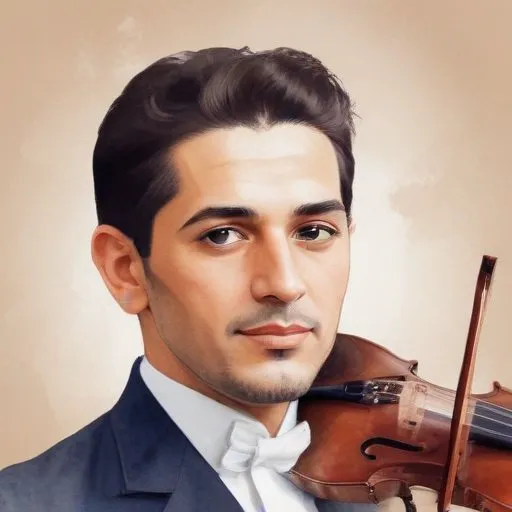
A Cuban violinist and composer who blended traditional styles with modern classical music, creating a unique sound that showcased his cultural heritage.
Enrique Jorrín is revered as the father of the chachachá, a captivating style of ballroom music born from the Cuban danzón tradition. This talented violinist, composer, and music director revolutionized the music scene with his unique sound, earning him a permanent place in the hearts of music enthusiasts worldwide.
Born on December 25, 1926, in Candelaria, Pinar del Río, Cuba, Jorrín's family relocated to the El Cerro neighborhood of Havana when he was just a young boy. It was in this vibrant city that he discovered his passion for music, beginning his violin studies at the tender age of 12.
Jorrín continued his musical education at the Municipal Conservatory of Havana, eventually joining the orchestra of Cuba's National Institute of Music under the guidance of González Mántici. This early training laid the foundation for his future innovations in popular music.
In the early 1950s, as a member of Niño Mondjar's Orquesta América, Jorrín began experimenting with new rhythms, giving birth to the chachachá. This fresh sound, characterized by its lively tempo and intricate instrumental arrangements, quickly gained popularity among dancers and music lovers alike.
Jorrín's musical journey took him to Mexico, where he lived from 1954 to 1958, further refining his craft. Upon his return to Cuba, he formed his own orchestra, with which he toured Africa and Europe in 1964. This extensive touring not only promoted the chachachá but also showcased Jorrín's remarkable talent as a composer and performer.
Throughout his illustrious career, Jorrín composed numerous danzones, including "Hilda," "Liceo del Pilar," "Central Constancia," and "Doña Olga." His music continues to delight audiences, with his orchestra remaining active in Havana to this day.
A devoted uncle, Jorrín played a significant role in raising his nephew, Omar Jorrín Pineda, who grew up to become a skilled pianist in his orchestra. Omar now resides in Union City, New Jersey, where he continues to celebrate his uncle's legacy.
Enrique Jorrín passed away on December 12, 1987, in Havana, leaving behind a rich cultural heritage. His contributions to Cuban music and the world of dance are immeasurable, with the chachachá remaining an integral part of global popular culture.
Jorrín's innovative spirit, passion for music, and dedication to his craft have inspired generations of musicians and dancers. His legacy serves as a testament to the power of creativity and perseverance, ensuring that the rhythms of Cuba continue to resonate with people from all walks of life.
Born in 1847
A renowned Cuban pianist and composer, known for blending African rhythms with European classical music, creating a unique style that showcases the rich cultural heritage of Cuba.
Born in 1923
A legendary percussionist and producer who popularized Latin jazz and salsa music, blending rhythms and styles to create an iconic sound.
Born in 1925
A legendary singer who brought Afro-Cuban rhythms to the global stage, known for her powerful voice, vibrant stage presence, and iconic hits like "La Negra Tiene Tumbao".
Born in 1907
A Cuban music legend, known for his soulful voice and iconic guitar riffs, who helped popularize the Buena Vista Social Club sound worldwide.
