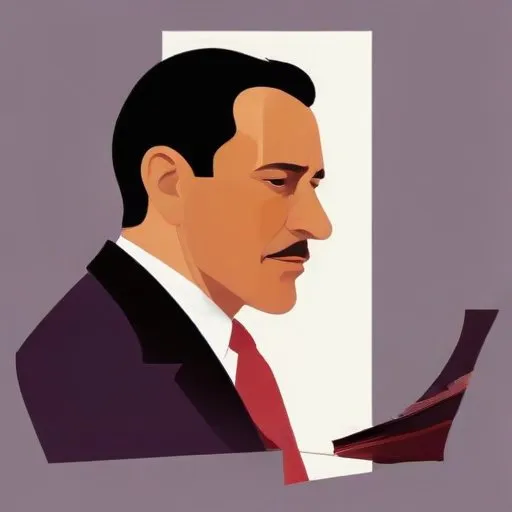
Ignacio Cervantes: The Pioneering Cuban Composer and Pianist
A Musical Visionary Ahead of His Time
Ignacio Cervantes is revered as one of the most influential Cuban composers and pianists of the 19th century, celebrated for his remarkable contribution to the creolization of Cuban music. His groundbreaking compositions, which seamlessly blended European classical music with Afro-Cuban rhythms, paved the way for a new era of Cuban musical identity.
Early Life and Training
Born on July 31, 1847, in Havana, Cuba, Cervantes was a child prodigy who began his musical journey under the guidance of pianist Juan Miguel Joval. He later studied with composer and tutor Nicolás Ruiz Espadero, and then with the renowned American composer
Louis Moreau Gottschalk. Gottschalk's encouragement led Cervantes to pursue further studies at the prestigious Conservatoire de Paris, where he was awarded first prizes in composition and harmony in 1866 and 1867, respectively.
A Life of Activism and Exile
Cervantes' music was not only a reflection of his artistic talent but also a powerful tool for social change. He used his concerts to raise funds for the Cuban independence movement, which led to his exile from Cuba in 1875. During his time in the United States and Mexico, he continued to perform and raise awareness about the Cuban cause. He returned to Cuba in 1878, only to leave again in 1895 due to the outbreak of the Cuban War of Independence.
Compositional Legacy
Cervantes' oeuvre is a testament to his innovative spirit and commitment to celebrating Cuban cultural heritage. His compositions include:
- One opera, Maledetto (1895)
- Various chamber pieces, such as Scherzo capriccioso (1885)
- Zarzuelas, a fusion of Spanish and Cuban musical traditions
- The famous Danzas Cubanas, a collection of 41 pieces that showcase his mastery of Cuban rhythms
- Fusión de Almas, a heartfelt composition dedicated to his daughter, María Cervantes, a talented pianist and composer in her own right
Conducting and Teaching
In addition to his compositional achievements, Cervantes was a sought-after conductor and teacher. He led the Opera company at Havana's Payret Theater and mentored several generations of Cuban musicians.
A Legacy of Nationalism and Innovation
Cervantes was a pioneer in his advocacy for musical nationalism, believing that a nation's distinct character should be reflected in its music. This philosophy paved the way for future generations of composers to explore and celebrate their unique cultural identities.
Influence on Modern Cuban Music
Cervantes' impact on modern Cuban music is immeasurable. His fusion of European and Afro-Cuban rhythms created a new sonic landscape that continues to inspire musicians today. His legacy extends beyond Cuba, influencing Latin American music as a whole and cementing his place as one of the most important composers of the 19th century.
A Tribute to a Musical Pioneer
Ignacio Cervantes' life and music serve as a testament to the power of art to inspire social change and celebrate cultural diversity. As we continue to navigate the complexities of identity and heritage, Cervantes' music remains a beacon of innovation, creativity, and passion, reminding us of the importance of preserving and promoting our cultural traditions.
FAQ
Who was the Cuban pianist Ignacio Cervantes and what was his impact on Cuban music?
Ignacio Cervantes was a renowned Cuban pianist and composer who played a significant role in promoting Cuban music, particularly the habanera and danzón styles. He was one of the first Cuban musicians to achieve international recognition.
What kind of music did Ignacio Cervantes compose?
Ignacio Cervantes compositions primarily focused on Cuban folk music, including the habanera and danzón styles. His work reflected the rich cultural heritage of Cuba, blending African, Spanish, and indigenous influences.
What was Ignacio Cervantes contribution to Cuban cultural identity?
Ignacio Cervantes music and legacy have greatly contributed to Cubas cultural identity, preserving traditional rhythms and melodies while also influencing future generations of Cuban musicians.
Where did Ignacio Cervantes study music?
Ignacio Cervantes studied music at the Paris Conservatory, where he refined his skills and developed his unique style, later becoming one of the first Cuban musicians to gain international recognition.
What is Ignacio Cervantes most famous work?
Ignacio Cervantes most famous work is Danzas Cubanas, a collection of piano pieces that showcase his mastery of Cuban rhythms and melodies, earning him critical acclaim and widespread recognition.