


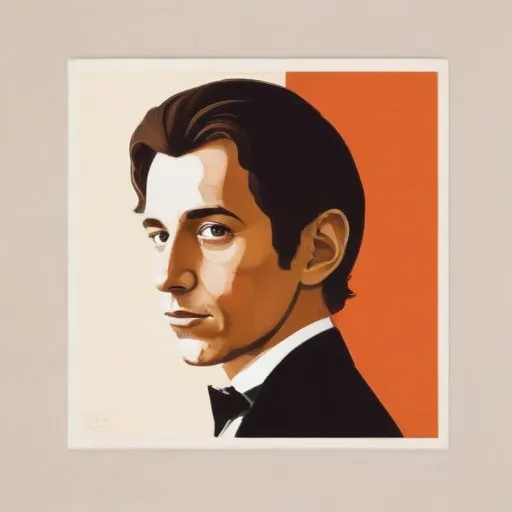
A virtuosic pianist and composer who blended European classical music with African-American and Latin American influences, creating a unique sound that captivated 19th-century audiences.
Louis Moreau Gottschalk was an American composer and virtuoso pianist, renowned for his romantic piano works that embodied the spirit of Louisiana Creole music. Born in New Orleans in 1829, Gottschalk's unique blend of European classical training and African-American musical traditions catapulted him to fame, earning him the prediction of becoming the "king of pianists" from none other than Frédéric Chopin himself.
Gottschalk's early life was marked by exposure to diverse musical traditions. Raised in a household with six siblings, including five half-siblings by his father's biracial mistress, he was surrounded by the rich cultural heritage of New Orleans. His family lived in the Vieux Carré, where he was immersed in African, French, and Spanish musical influences.
Recognized as a prodigy at a young age, Gottschalk made his informal public debut in 1840 at the St. Charles Hotel. Two years later, he sailed to Europe to pursue classical training, although the Paris Conservatoire initially rejected his application due to his American nationality. Undeterred, Gottschalk eventually gained access to the musical establishment through family friends, paving the way for his future success.
Gottschalk's compositions, such as Bamboula: Danse des Nègres and La Savane, showcased his innovative fusion of African-American musical traditions with European classical music. These works not only established him as a genuinely American composer but also laid the foundation for the development of jazz.
His piano pieces, characterized by their lyricism, technical virtuosity, and rich harmonic complexity, captured the essence of Louisiana Creole music. Gottschalk's music transcended borders, earning him acclaim in both Europe and the Americas.
Gottschalk's impact on modern music is profound. His pioneering work in Louisiana Creole music paved the way for future generations of jazz musicians, including Jelly Roll Morton and Louis Armstrong. His influence can also be seen in the works of composers such as Darius Milhaud and George Gershwin.
Today, Gottschalk's music remains an integral part of American cultural heritage, with his compositions continuing to inspire and delight audiences worldwide.
"Give me your hand, my child... I predict that you will become the king of pianists." - Frédéric Chopin
Gottschalk's life and music serve as a testament to the power of cultural fusion and innovation, leaving an indelible mark on the world of classical music.
Born in 1810
A Polish pianist and composer renowned for his delicate, expressive, and technically demanding piano music that evokes deep emotions and continues to inspire generations of musicians and music lovers. His nocturnes, waltzes, and preludes are staples of classical music.
Born in 1811
A virtuosic pianist and composer who revolutionized classical music with his technically demanding and emotionally expressive works, blending Hungarian folk influences with Romantic-era drama.
Born in 1810
A renowned Romantic-era composer and influential music critic, known for his expressive and emotionally charged works, including symphonies, piano music, and art songs.
Born in 1833
A renowned pianist and composer, he crafted complex, expressive works that blended traditional and innovative techniques, leaving an indelible mark on classical music.
Born in 1841
A Czech composer and academic who blended folk influences with classical music, creating iconic works like the "New World Symphony".
Born in 1840
A renowned Russian composer and educator, he is best known for his iconic and beloved ballets, such as Swan Lake and The Nutcracker, which continue to enchant audiences worldwide.
Born in 1839
A Russian master of evocative and dramatic music, famous for his vivid orchestral works, including the iconic "Night on Bald Mountain" and "Pictures at an Exhibition".
Born in 1822
A Belgian organist and composer who created iconic works that blended Romanticism and Impressionism, leaving a lasting impact on classical music.
