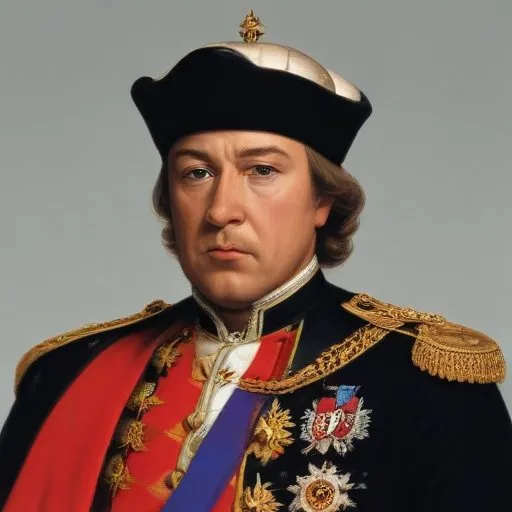
Eric II, Duke of Brunswick-Lüneburg: The Turbulent Life of a 16th-Century Ruler
A Christian Duke with a Rebellious Heart
Eric II, Duke of Brunswick-Lüneburg, is remembered for his tumultuous reign, marked by faith conversions, tumultuous marriages, and power struggles. As the ruler of the Principality of Calenberg from 1545 to 1584, Eric's life was a rollercoaster of controversies, scandals, and dramatic turns.
Early Life and Reformation
Born on August 10, 1528, Eric II was the son of Eric I and Elisabeth of Brandenburg. His mother, Elisabeth, acted as Regent after his father's demise, introducing the Reformation in Calenberg and raising Eric and his siblings as Lutherans. However, Eric would later reconvert to Roman Catholicism, much to his mother's dismay.
A Marriage of Convenience and Deceit
Eric's first marriage to Sidonie of Saxony in 1545 was a union of convenience. Sidonie, ten years his senior, brought wealth and prestige to the marriage. Initially, the couple got along well, but their relationship deteriorated rapidly. Eric's reconversion to Catholicism and his subsequent demands that Sidonie convert created tension, leading to suspicion and mistrust.
"All sorts of things will happen inside this marriage after the kissing month ends." - Landgrave Philip I of Hesse, predicting the marriage's demise
Financial Woes and Illicit Affairs
Eric's rule was marred by financial problems, and his marriage remained childless. He turned to his mistress, Katharina von Weldam, with whom he had two children, Wilhelm and Katharin. This illicit affair further strained his relationship with Sidonie, who accused him of plotting to poison her.
Legacy and Controversy
Eric II's life was marked by controversy and power struggles. His flip-flopping between Catholicism and Lutheranism created unrest in his Duchy, and his marital issues added to the drama. Despite this, he left a lasting impact on the Principality of Calenberg, shaping its religious and political landscape.
- 1528: Born on August 10th
- 1545: Married Sidonie of Saxony
- 1547: Reconverted to Roman Catholicism
- 1555: Accused of plotting to poison Sidonie
- 1563: Began living with mistress Katharina von Weldam
- 1584: Died on November 17th
Philosophical Contributions and Beliefs
Eric II's tumultuous life raises questions about the role of faith in politics. His conversions and reconversions demonstrate the complexities of 16th-century religious politics, highlighting the tension between personal beliefs and state policies.
Influence on Modern Society
Eric II's story serves as a cautionary tale about the dangers of mixing religion and politics. His life's tumultuous narrative underscores the importance of separating personal beliefs from state policies, ensuring a more stable and harmonious society.
Personal Milestones and Key Life Events
Eric II's life was marked by dramatic turns and controversial decisions. His story serves as a reminder that even the most powerful individuals are not immune to personal struggles and controversy.
FAQ
What was Eric II, Duke of Brunswick-Lüneburgs role in the Duchy of Brunswick-Lüneburg?
Eric II, Duke of Brunswick-Lüneburg was a member of the House of Welf and the ruler of the Duchy of Brunswick-Lüneburg. He played a significant role in the governance and administration of the duchy.
How did Eric II, Duke of Brunswick-Lüneburg become duke?
Eric II, Duke of Brunswick-Lüneburg became duke in 1520, following the death of his father, Henry the Middle. He ruled the duchy until his own death in 1584.
What were Eric II, Duke of Brunswick-Lüneburgs achievements as duke?
As duke, Eric II, Duke of Brunswick-Lüneburg implemented several significant reforms, including the promotion of trade and commerce and the strengthening of the ducal army.
How did Eric II, Duke of Brunswick-Lüneburg die?
Eric II, Duke of Brunswick-Lüneburg died on November 14, 1584, at the age of 84, in Schloss Richmond, Brunswick-Lüneburg. He was succeeded by his son, Ernest II.
What is Eric II, Duke of Brunswick-Lüneburgs legacy?
Eric II, Duke of Brunswick-Lüneburgs legacy is marked by his long and successful reign as duke. He is remembered as a powerful and influential ruler who shaped the course of the Duchy of Brunswick-Lüneburg.