


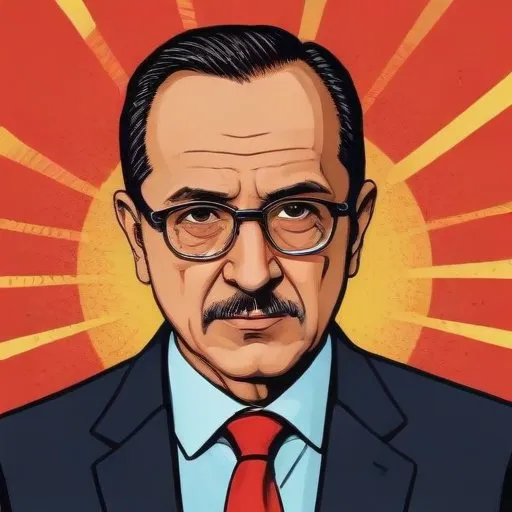
A Turkish sociologist and psychologist who explored the intersection of psychology, sociology, and philosophy, focusing on human behavior, social structures, and cultural dynamics.
Erol Gngr, a renowned Turkish social psychologist and writer, is best known for his groundbreaking work on the socially derived nature of language, morality, and values. His influential writings and teachings played a significant role in shaping Turkey's national democratic identity during a time of transition.
Born on November 25, 1938, in Central Anatolia, Turkey, Gngr's academic journey began at Istanbul University, where he initially pursued law studies. However, after meeting his mentor Mumtaz Tarhan, he shifted his focus to psychology. Gngr went on to receive his PhD in experimental psychology in 1965, with a dissertation titled "Kelami Yaplarda Estetik Organizasyon" or "Aesthetic Organization in Verbal Structures," which explored the aesthetic influence of language beyond reason or function.
In 1966, Gngr conducted research at the University of Colorado, Boulder, under the Fulbright visiting scholar program. During his time at Boulder, he delved into the connotative differences in word meanings, which can lead to conflicts between individuals. Upon his return to Turkey, Gngr became an assistant professor of experimental psychology at Istanbul University in 1971. He eventually rose to the position of full professor and Chair of Experimental Psychology, teaching social psychology throughout his tenure.
In 1982, Gngr took on the role of founding rector of Selçuk University in Konya, a position he held until his untimely passing in 1983.
Gngr's work focused on the dynamic definition of morality, which he believed should strike a balance between society and the individual. He argued that the laws of society and individual morality should be in harmony, as this balance serves to benefit both parties. This philosophical approach had a profound impact on Turkey's national identity and continues to influence social psychologists to this day.
Gngr's writings and teachings played a significant role in shaping Turkey's national democratic identity during a time of transition. His work on nationalism and culture helped bridge the gap between the country's Ottoman past and its modern democratic aspirations. His influence extends beyond academia, as his ideas have permeated Turkish society, fostering a deeper understanding of the interplay between individual and collective values.
Erol Gngr's contributions to social psychology and his influence on Turkish society have left an indelible mark. His work continues to inspire and inform future generations of social psychologists, scholars, and thinkers. As a testament to his legacy, Gngr's ideas remain a vital part of Turkey's ongoing journey towards a more inclusive and democratic society.
Through his tireless efforts, Erol Gngr has cemented his place as a pioneering figure in Turkish social psychology, leaving behind a rich legacy that continues to shape the country's cultural and intellectual landscape.
Born in 1908
A Turkish lawyer and politician who played a key role in the country's transition to democracy, serving as the leader of the Republican People's Party. He's known for his efforts to modernize and secularize Turkey.
