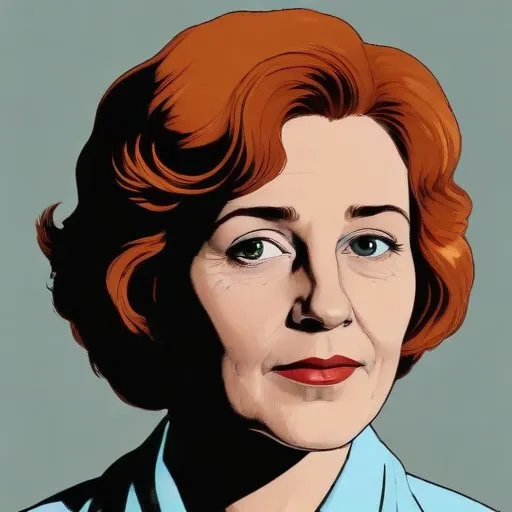
Ethel Anderson: The Pioneering Australian Poet, Novelist, and Modern Art Enthusiast
A Trailblazer in Multiple Fields
Ethel Anderson was a multifaceted Australian poet, essayist, novelist, and painter who left an indelible mark on the literary and art worlds of the early 20th century. Best known for her witty and ironic stories, Anderson's works showcased her mastery of language and her ability to blend humor with depth.
Early Life and Education
Born on March 16, 1883, in Lillington, England, to Australian-born parents Cyrus Mason and Louise Campbell, Anderson's family soon relocated back to Australia, where she grew up in Sydney and at her grandfather's property, Rangamatty, near Picton, New South Wales. She received her education both at home and at Sydney Church of England Girls Grammar School (now SCEGGS Darlinghurst).
A Life of Art and Literature
Anderson's literary career spanned multiple genres, including poetry, essays, and novels. Her poetry, which she considered her primary passion, was marked by its wit, irony, and exploration of the human condition. Her stories, too, were infused with humor and insight, earning her a reputation as a masterful storyteller.
Marriage and Travel
On October 8, 1904, Anderson married Brigadier-General Austin Thomas Anderson in Ahmednagar, Bombay, where she had accompanied him on his posting. The couple had a daughter, Bethia, in 1907. During World War I, Anderson's husband was posted to France, and she moved to Cambridge, England, where she studied drawing at Downing College and exhibited some of her work.
Modern Art and the Cambridge Group
While in England (1914-1924), Anderson became an integral part of the Cambridge Group, a circle of artists that included Sir William Rothenstein. She founded the Young Worcestershire Arts and Crafts Club and painted murals for English churches. This exposure to modern art would later influence her advocacy for modernist artists in Australia.
Supporting Australian Modernism
Upon returning to Australia in 1924, Anderson became a vocal supporter of modern art and its practitioners, such as Grace Cossington Smith, Dorrit Black, Roland Wakelin, and Roy de Maistre. She wrote articles on modern art and artists, organized exhibitions in her home, and even opened exhibitions in other venues. Her efforts helped to promote modernism in Australia and cemented her reputation as a champion of the arts.
Personal Milestones and Legacy
Anderson's life was marked by personal milestones, including her husband's retirement from the army in 1924 and his later appointment as secretary to several State Governors. Her own literary and artistic pursuits continued until her passing on August 4, 1958. Today, Ethel Anderson is remembered as a pioneering author, artist, art commentator, and emissary for modernism, whose contributions continue to inspire and influence Australian literature and art.
Quotes and Memorable Sayings
- "The artist is the antenna of the race." - Ethel Anderson
- "I do not think that art is a thing of the hand, but of the mind." - Ethel Anderson
Influence on Modern Society
Anderson's advocacy for modern art and her own literary works have had a lasting impact on Australian culture. Her support for modernist artists helped to pave the way for future generations of artists, and her writings continue to delight readers with their wit, irony, and insight into the human condition.
FAQ
What literary forms did Ethel Anderson work in?
Ethel Anderson was an Australian poet, author, and painter who explored a range of literary forms, including poetry, fiction, and nonfiction.
What were some of Ethel Andersons most notable literary works?
Ethel Anderson wrote several influential works, including poetry collections, novels, and essays, which were widely praised for their lyricism and insight.
How did Ethel Andersons writing contribute to Australian literature?
Ethel Andersons work helped to shape the course of Australian literature, exploring themes of identity, culture, and the human condition.
What recognition did Ethel Anderson receive for her writing?
Ethel Anderson received numerous awards and recognition for her writing, including literary prizes and honorary degrees.
What legacy has Ethel Anderson left in Australian literature?
Ethel Anderson is remembered as a pioneering Australian writer who expanded the possibilities of literature, inspiring future generations to explore new themes and styles.