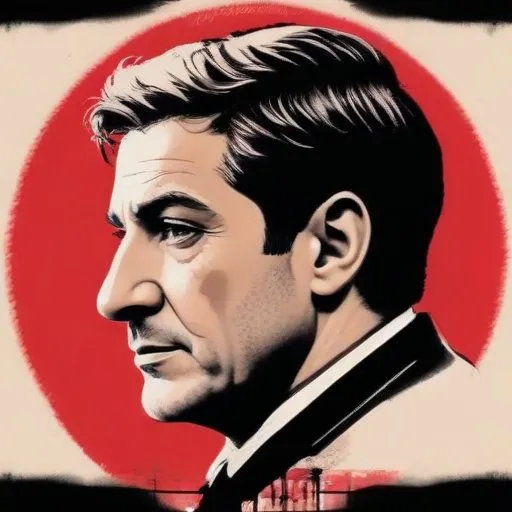
Ettore Scola: The Acclaimed Italian Screenwriter and Film Director
A Master of Storytelling
Ettore Scola was a renowned Italian screenwriter and film director, celebrated for his thought-provoking and visually stunning films that captivated audiences worldwide. With a career spanning over four decades, Scola received numerous accolades, including a Golden Globe for Best Foreign Film and five Academy Award nominations for Best Foreign Language Film.
Early Life and Career
Born on May 10, 1931, in Trevico, Avellino, Campania, Italy, Scola began his journey in the film industry as a ghostwriter at the tender age of 15. He later collaborated with director
Dino Risi and fellow writer Ruggero Maccari on the screenplay for Risi's feature film,
Il Sorpasso (1962). This marked the beginning of Scola's illustrious career as a screenwriter and film director.
Breakthrough and International Success
Scola's directorial debut,
Lets Talk About Women (1964), paved the way for his future success. However, it was his 1974 film,
We All Loved Each Other So Much (
Ceravamo tanto amati), that brought him international recognition. This epic drama, dedicated to fellow director
Vittorio De Sica, won the Golden Prize at the 9th Moscow International Film Festival and established Scola as a master storyteller.
Award-Winning Films and Collaborations
Scola's subsequent films solidified his position as a leading filmmaker. His 1977 film,
A Special Day, won the Golden Globe for Best Foreign Film, while
Brutti, sporchi e cattivi (1976) earned him the Prix de la mise en scène at the 1976 Cannes Film Festival. He continued to push boundaries with films like
That Night In Varennes (1982),
What Time Is It (1989), and
Captain Fracassa's Journey (1990).
Influence and Legacy
Scola's impact on modern cinema is undeniable. His films have inspired a new generation of filmmakers, and his unique storytelling style has been emulated by many. His film,
Passione d'amore, was adapted into the award-winning musical
Passion by
Stephen Sondheim and James Lapine. Scola's legacy continues to be celebrated, and his contributions to the world of cinema remain unparalleled.
Personal Life and Philosophical Beliefs
A lifelong supporter of left-wing politics, Scola was part of the shadow cabinet of the Italian Communist Party in 1989, serving as Minister of Culture. He was also an advocate for artistic freedom, as evident in his support for film director Roman Polanski in 2009.
Awards and Honors
- Golden Globe for Best Foreign Film (A Special Day, 1978)
- Five Academy Award nominations for Best Foreign Language Film
- Golden Prize at the 9th Moscow International Film Festival (We All Loved Each Other So Much, 1974)
- Prix de la mise en scène at the 1976 Cannes Film Festival (Brutti, sporchi e cattivi)
Lifetime Achievements and Legacy
Ettore Scola's remarkable career spanned nearly four decades, during which he directed close to 40 films. His contributions to Italian cinema, his thought-provoking storytelling, and his influence on modern filmmakers have cemented his position as a cinematic legend. Scola's passing on January 19, 2016, at the age of 84, marked the end of an era, but his legacy continues to inspire and captivate audiences worldwide.
FAQ
What is Ettore Scolas impact on Italian neorealism?
Ettore Scola is renowned for his significant contributions to Italian neorealism, a film movement that focused on portraying the lives of the working class. His films, such as A Special Day and The Family, showcased his unique storytelling style and ability to capture the essence of Italian society during the post-war period.
What awards did Ettore Scola win for his films?
Throughout his illustrious career, Ettore Scola won numerous awards, including the Academy Award for Best Foreign Language Film for A Special Day in 1977. He also received several Cannes Film Festival awards and a Golden Globe nomination.
What is Ettore Scolas most famous film?
Ettore Scolas most famous film is arguably A Special Day, a poignant drama that tells the story of two people who form an unlikely friendship on the day of Adolf Hitlers visit to Rome in 1938. The film stars Sophia Loren and Marcello Mastroianni.
How did Ettore Scola get started in filmmaking?
Ettore Scola began his career in filmmaking as a screenwriter, working with prominent directors such as Dino Risi and Mario Monicelli. He later transitioned to directing, making his debut with the film Lets Talk About Women in 1964.
What is Ettore Scolas legacy in Italian cinema?
Ettore Scolas legacy in Italian cinema is that of a master storyteller who captured the complexities of human relationships and the nuances of Italian society. His films continue to be celebrated for their emotional depth and historical significance.