


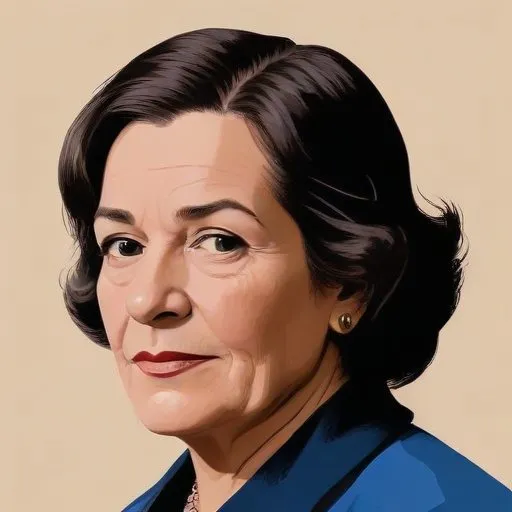
A pioneering figure in the women's suffrage movement, advocating for women's rights and education through her writing and public speaking. She played a significant role in shaping the women's liberation movement in the late 19th and early 20th centuries.
Eunice Hale Waite Cobb was a trailblazing American educator and philanthropist who left an indelible mark on the world of education, particularly in the realm of women's education and social reform. She is best known for her tireless efforts in establishing the first women's college in the Midwest, Evanston College for Ladies, which later merged with Northwestern University.
Born on December 23, 1809, in Guilford, Vermont, Eunice Hale Waite Cobb was the daughter of a Congregational minister. She received her early education at the local district school and later attended the Emma Willard School in Troy, New York. In 1829, she married Reverend Amos Cobb, with whom she had five children.
Cobb's passion for education and social reform led her to establish the Evanston College for Ladies in 1855, with the primary goal of providing higher education to women. At the time, women's education was considered a novelty, and Cobb's efforts were met with skepticism. However, she persevered, and the college flourished, eventually merging with Northwestern University in 1870.
Cobb's philanthropic efforts extended beyond education. She was an ardent abolitionist and actively supported the Underground Railroad, providing shelter and aid to escaping slaves. Her commitment to social justice and reform earned her recognition and respect in her community.
In 1869, Cobb's husband, Reverend Amos Cobb, passed away, leaving her a widow. Despite this personal tragedy, Cobb continued to dedicate herself to her philanthropic work, establishing the Cobb Memorial Chapel at Northwestern University in memory of her husband.
Eunice Hale Waite Cobb's pioneering efforts in women's education paved the way for future generations of women to pursue higher education. Her contributions to education reform and social justice continue to inspire and motivate individuals today. As a testament to her legacy, the Eunice Waite Cobb Memorial Scholarship was established at Northwestern University to support female students pursuing higher education.
"The education of women is the most important step in the progress of humanity."
Eunice Hale Waite Cobb's remarkable life and achievements serve as a beacon of inspiration, highlighting the power of dedication and perseverance in shaping the world around us.
Born in 1815
Pioneering women's rights activist who led the women's suffrage movement, fighting for women's right to vote and own property.
Born in 1820
Pioneering figure in the women's suffrage movement, fighting for women's right to vote and own property. Her tireless efforts led to significant advancements in women's rights.
Born in 1885
A pioneering figure in the women's suffrage movement, fighting for equal rights and voting privileges through nonviolent protests and strategic lobbying. Her legacy continues to inspire feminist activism today.
Born in 1879
A pioneering birth control activist who advocated for women's reproductive rights and founded the American Birth Control League, precursor to Planned Parenthood.
Born in 1821
Founded the American Red Cross, providing humanitarian aid and disaster relief, and pioneering nursing education. Known for her courageous and selfless efforts during the Civil War and beyond.
Born in 1793
A pioneering Quaker minister and women's rights activist who fought for abolition and women's suffrage, playing a key role in the Seneca Falls Convention.
Born in 1744
The wife of a Founding Father and early President, she was a strong advocate for women's rights and education, leaving behind a legacy of influential letters and diaries.
