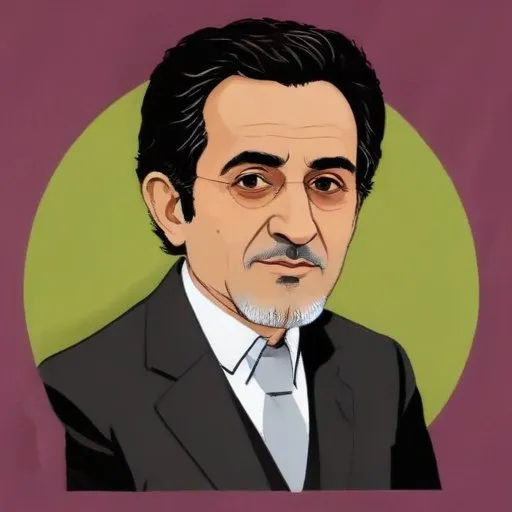
Faraj Sarkohi: The Fearless Voice of Iranian Literature
A Champion of Free Expression
Faraj Sarkohi is renowned for his unwavering commitment to promoting literary freedom and democracy in Iran. As a prominent literary critic, journalist, and editor-in-chief of the influential magazine Adineh, Sarkohi has been a beacon of hope for writers and intellectuals in a country where censorship and oppression have often stifled creative expression.
The Early Years: A Foundation of Dissent
Born on November 3, 1947, in Shiraz, Iran, Sarkohi's early life was marked by a strong sense of social justice. He studied Persian literature and social science at the University of Tabriz, where he became involved with the group around Samad Behrangi, a prominent Iranian writer and social activist. This experience instilled in him a deep understanding of the importance of criticism and dissent in shaping a just society.
A Life of Persecution and Perseverance
Sarkohi's writing and activism did not go unnoticed by the authorities. He was imprisoned three times between 1966 and 1971 for his dissident articles, serving a total of 15 years behind bars. Despite these hardships, he continued to write and advocate for literary freedom, even in the face of censorship and oppression.
The Birth of Adineh
In 1985, Sarkohi co-founded Adineh, a magazine that would become a symbol of resistance against the Islamic regime's efforts to suppress free expression. As editor-in-chief from 1988 to 1996, Sarkohi transformed Adineh into a platform for progressive writers, intellectuals, and artists to share their ideas and works. The magazine quickly gained a reputation as the most important independent publication for art, politics, and culture in Iran during the 1980s and 1990s.
A Legacy of Literary Innovation
Under Sarkohi's leadership, Adineh featured interviews with prominent Iranian figures, including Hossein Alizadeh, Ahmad Shamloo, and Houshang Golshiri. The magazine also published groundbreaking reviews and essays that challenged the status quo and pushed the boundaries of Persian literature. Sarkohi's work on Adineh helped to shape the literary landscape of Iran, inspiring a new generation of writers and intellectuals to pursue careers in the arts.
Awards and Recognition
Sarkohi's tireless efforts to promote literary freedom and democracy have earned him numerous awards and accolades. He has been recognized for his bravery and commitment to free expression, and his work continues to inspire writers and intellectuals around the world.
A Lasting Impact
Faraj Sarkohi's legacy extends far beyond his own writing and activism. He has inspired a movement of writers, intellectuals, and artists who continue to challenge the authorities and push the boundaries of creative expression. His unwavering commitment to literary freedom and democracy has made him a hero to many, and his work remains a testament to the power of the human spirit in the face of adversity.
FAQ
What is Faraj Sarkohis role in Iranian journalism?
Faraj Sarkohi is a prominent Iranian journalist and critic, known for his fearless reporting on sensitive topics. He has been a vocal advocate for press freedom and has faced persecution for his work.
What are the challenges faced by Faraj Sarkohi as a journalist in Iran?
Faraj Sarkohi has faced numerous challenges, including censorship, harassment, and imprisonment, for his critical reporting on the Iranian government. Despite these obstacles, he continues to speak out against oppression.
What is Faraj Sarkohis stance on freedom of expression?
Faraj Sarkohi is a staunch defender of freedom of expression, believing that a free press is essential to a healthy democracy. He has risked his own safety to promote this principle.
What international recognition has Faraj Sarkohi received for his work?
Faraj Sarkohi has received international recognition for his courageous journalism, including awards from human rights organizations and journalistic associations.
What is Faraj Sarkohis message to the international community?
Faraj Sarkohis message to the international community is one of urgent concern for the plight of Iranian journalists and the importance of supporting press freedom worldwide.