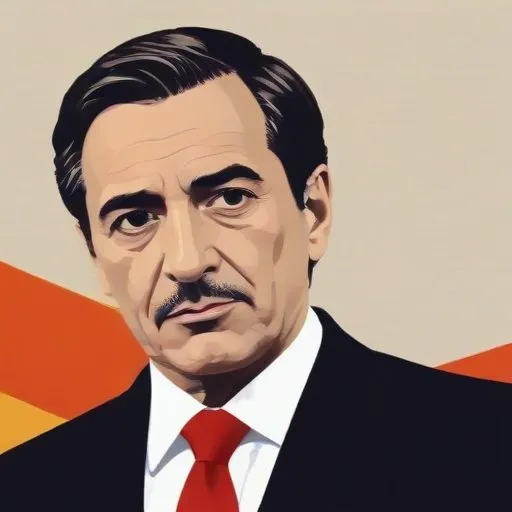
Felipe González: The Architect of Modern Spain
A Leader of Transition and Transformation
Felipe González is renowned for being the longest-serving Prime Minister of Spain to be freely elected, holding office from 1982 to 1996. During his tenure, he oversaw a remarkable transformation of the Spanish economy, politics, and society, earning him a place as one of the most influential figures in modern Spanish history.
Early Life and Rise to Power
Born on March 5, 1942, in Bellavista, Seville, González came from a humble background, the son of a small dairy farmer. He studied law at Seville University, where he was drawn to labor law and became involved with the clandestine socialist trade union, Unión General de Trabajadores (UGT). This marked the beginning of his journey in politics, as he secretly participated in the activities of the Spanish Socialist Workers' Party (PSOE), which was banned under the Franco regime.
Leadership and Reforms
In 1974, González was elected Secretary-General of the PSOE, a position he held until 1997. He led the party to victory in the 1982 general election, forming his first majority government. Over the next thirteen and a half years, he implemented a wide range of reforms, including:
- Modernizing the economy, introducing market-oriented policies, and promoting foreign investment
- Implementing a comprehensive education reform, expanding access to education and vocational training
- Introducing social welfare programs, such as the creation of a national healthcare system and pension reform
- Promoting regional autonomy, recognizing the rights of Spain's diverse regions and cultures
European Integration and Global Diplomacy
González played a crucial role in Spain's integration into the European Community (now the European Union), signing the Accession Treaty in 1985. He also strengthened Spain's relationships with other European nations and international organizations, such as the North Atlantic Treaty Organization (NATO) and the United Nations.
Later Life and Legacy
After leaving office in 1996, González continued to be involved in politics, serving as a member of the Congress of Deputies until 2000. He has since dedicated himself to academia and international diplomacy, serving as a lecturer and advisor on European affairs. His legacy as a champion of democracy, social justice, and European integration continues to inspire generations of Spaniards and Europeans alike.
Quotes and Memorable Sayings
"I believe in a social democracy that is capable of combining economic efficiency with social justice." - Felipe González
Awards and Honors
González has received numerous awards and honors, including the Prince of Asturias Award for International Cooperation, the European Council's Europe Prize, and the honorary title of Knight of the Collar of the Order of Isabella the Catholic.
Influence on Modern Society
Felipe González's impact on modern Spanish society is profound. He has left a lasting legacy in the realms of education, healthcare, and social welfare, and his commitment to European integration has helped shape the course of European history. As a leader, he demonstrated that democratic values, social justice, and economic growth can be reconciled, inspiring future generations of politicians and policymakers.
FAQ
What was Felipe Gonzálezs role in Spanish politics?
Felipe González served as the Prime Minister of Spain from 1982 to 1996, leading the country through a period of significant economic and political transformation. He played a key role in Spains integration into the European Union and implemented various reforms to modernize the countrys economy and institutions.
What are Felipe Gonzálezs views on European integration?
Felipe González is a strong advocate for European integration and has worked to promote greater cooperation and unity among EU member states. He believes that a strong and unified Europe is essential for addressing global challenges and promoting peace and stability.
How did Felipe Gonzálezs government address economic challenges in Spain?
Felipe Gonzálezs government implemented various economic reforms to address the challenges faced by Spain, including privatization, deregulation, and investments in infrastructure and education. These reforms helped to stimulate economic growth and reduce unemployment.
What is Felipe Gonzálezs stance on social justice and inequality?
Felipe González has been a strong advocate for social justice and reducing inequality. During his premiership, he implemented policies to reduce poverty and promote greater social equality, including increases in minimum wage and social spending.
What legacy does Felipe González leave behind in Spanish politics?
Felipe González leaves behind a legacy of significant political and economic reforms that have shaped modern Spain. He is remembered for his commitment to democracy, social justice, and European integration.