


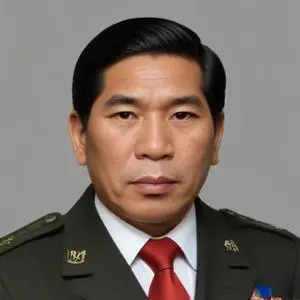
A Filipino leader who ruled with an iron fist, implementing martial law and amassing wealth, leaving a legacy of controversy and economic turmoil.
Ferdinand Marcos, the former President of the Philippines, is notoriously known for his authoritarian rule, corruption, and extravagance, which led to widespread poverty, human rights abuses, and a crushing debt crisis in the country.
Marcos held power from 1965 to 1986, with a brief stint as a dictator under martial law from 1972 to 1981, and his regime was marked by a mixture of charismatic leadership, economic manipulation, and brutal suppression of dissent.
Born on September 11, 1917, in Sarrat, Ilocos Norte, Philippines, Marcos came from a humble background. He was a clever and ambitious individual who gained fame by claiming to be the most decorated war hero in the Philippines during World War II.
However, many of his war claims have been disputed and discredited as fabrications. After the war, Marcos became a successful lawyer and politician, serving in the Philippine House of Representatives from 1949 to 1959 and the Philippine Senate from 1959 to 1965.
In 1965, Marcos was elected President of the Philippines, promising economic growth and development. During his first term, he implemented various infrastructure projects, which boosted the economy and earned him popularity.
However, Marcos's popularity began to wane as the economy started to decline, and he responded by declaring martial law in 1972, citing the need to quell communist and Muslim insurgencies. This move gave him sweeping powers, which he used to silence the opposition, suppress human rights, and perpetuate corruption.
During Marcos's rule, the Philippines became notorious for corruption, with the First Family amassing a staggering fortune through questionable means. The regime was also marked by widespread human rights abuses, including torture, forced disappearances, and extrajudicial killings.
The Marcos regime's brutality was often targeted at political opponents, journalists, and activists, with many victims being detained, tortured, and killed. The regime's human rights record was one of the worst in Southeast Asia during the 1970s and 1980s.
In 1986, a popular uprising, backed by the Catholic Church and the military, led to Marcos's downfall. The People Power Revolution, as it came to be known, forced Marcos to flee the country, and he was eventually replaced by Corazon Aquino.
Marcos and his family were granted asylum in Hawaii, where they lived in exile until his death on September 28, 1989.
Ferdinand Marcos's legacy is complex and contested, with some Filipinos viewing him as a visionary leader who brought economic growth and development, while others see him as a ruthless dictator who robbed the country of its wealth and dignity.
Despite his controversial legacy, Marcos's impact on the Philippines is undeniable. He left a lasting imprint on the country's politics, economy, and society, and his rule continues to shape the country's ongoing struggles with corruption, poverty, and human rights abuses.
97 Years Old
The 10th First Lady of the Philippines, known for her extravagant lifestyle and shoe collection, which symbolized the excesses of her husband's corrupt regime. She was a powerful figure in her own right, with a strong influence on politics and fashion.
93 Years Old
First female president of the Philippines, led the People Power Revolution, and restored democracy after decades of authoritarian rule.
93 Years Old
A Filipino journalist and politician who led the opposition against Ferdinand Marcos' regime, known for his courageous fight for democracy and human rights. Assassinated in 1983, his death sparked the People Power Revolution.
98 Years Old
The 12th President of the Philippines, a decorated war hero and leader who implemented economic reforms and brought stability to the country after a tumultuous era. He's known for his efforts to modernize the Philippines and promote national unity.
89 Years Old
The 13th President of the Philippines, a former actor turned politician, is known for his populist appeal and controversial presidency marked by corruption allegations and an eventual impeachment trial. He's also remembered for his efforts to address poverty and inequality.
79 Years Old
The 14th President of the Philippines, a prominent figure in Southeast Asian politics, known for her economic reforms and controversial tenure marked by allegations of corruption and human rights abuses.
