


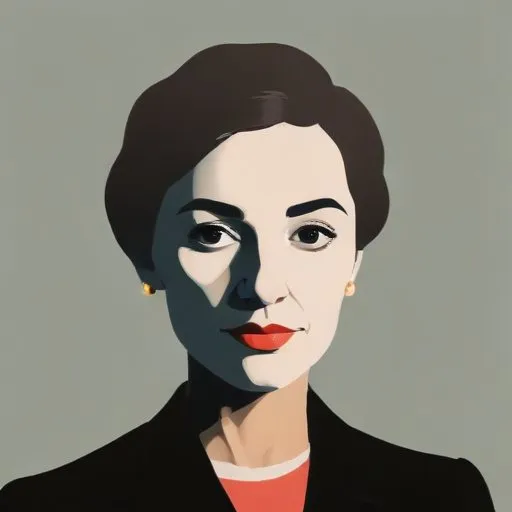
A French painter and politician who served as the mayor of a small town, known for her impressionist artwork and local leadership.
Fernande Sadler, a pioneering French painter and engraver, left an indelible mark on the artistic landscape of Grez-sur-Loing. Born on July 7, 1869, in Toul, France, Sadler's creative endeavors not only shaped the town's artistic identity but also earned her the distinction of becoming its first female mayor in 1945.
Sadler's artistic journey began with her training at the Julian Academy, followed by studies under the guidance of Marcel Baschet and Henri Lucien Doucet. Her early works were showcased at the Nancy and Paris Salons, with her first exhibition at the Paris Salon in 1894.
Sadler's move to Grez-sur-Loing in the late 19th century marked a significant turning point in her life and career. The town, nestled in the heart of France, became a haven for artists, including the Glasgow Boys, who drew inspiration from its picturesque landscapes and charming atmosphere. Sadler's own works, characterized by delicate miniatures, captured the essence of Grez-sur-Loing, earning her recognition in the art world.
In 1910, Sadler embarked on an ambitious project, collecting paintings that would eventually form the foundation of the town's art collection. This endeavor was sparked by a suggestion from Charles Moreau-Vauthier, who also donated several works to the cause. Today, the local museum proudly houses this extensive collection, which continues to receive contributions from visiting artists.
Sadler's passion for art extended beyond her own creations. In 1907, she was awarded a silver medal by the Société de Géographie for her monograph on the artists of Grez-sur-Loing. This recognition not only highlighted her dedication to art historical research but also underscored her commitment to preserving the town's cultural heritage.
In 1945, Sadler made history by becoming the first female mayor of Grez-sur-Loing. This remarkable achievement cemented her status as a trailblazer, paving the way for future generations of women in politics.
Fernande Sadler's passing on December 2, 1949, in Nemours, France, marked the end of an era. However, her artistic and civic contributions continue to inspire and influence artists, art historians, and the community of Grez-sur-Loing. The town's museum proudly displays her self-portrait, a testament to her enduring legacy.
Born in 1881
A pioneering artist who transformed modern art with pioneering Cubist works, creating a new visual language that continues to inspire and influence art, design, and culture.
Born in 1869
A pioneering artist who revolutionized modern art with bold, expressive, and colorful works that blurred the lines between painting and sculpture, creating a new language of form and color.
Born in 1904
A renowned surrealist master of bizarre, dream-like paintings and sculptures that blur reality and fantasy, known for iconic works like "The Persistence of Memory" and "The Elephants".
Born in 1840
A founder of Impressionism, capturing fleeting light and color in dreamy landscapes and water scenes, revolutionizing modern art.
Born in 1841
A pioneer of Impressionism, creating vibrant, intimate portraits and landscapes that capture the beauty of everyday life. His works evoke a sense of joy and warmth, celebrating the human experience.
Born in 1830
A Danish-French Impressionist painter who captured the beauty of landscapes and cityscapes with vivid colors and bold brushstrokes, influencing the development of modern art.
Born in 1839
A post-Impressionist pioneer, he's famous for his still-life compositions and landscapes that laid the groundwork for Cubism, influencing 20th-century art.
Born in 1834
A master of capturing the beauty of movement and everyday life, this artist is renowned for their stunning Impressionist paintings, sculptures, and illustrations of dancers, horses, and Parisian scenes.
