


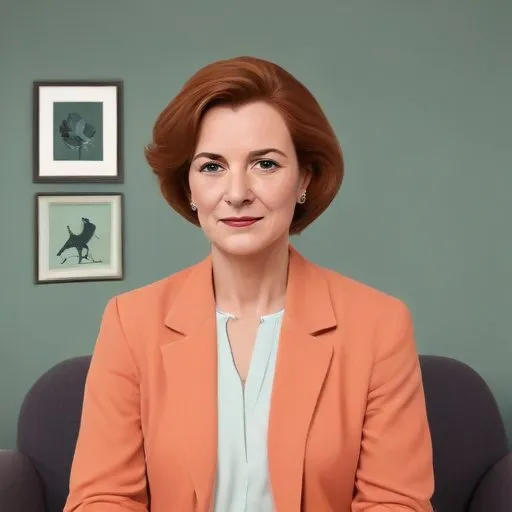
A pioneering psychiatrist and psychotherapist who championed patient confidentiality and data protection, leading to the development of the Caldicott Principles.
Fiona Caldicott, a renowned British psychiatrist and psychotherapist, was a trailblazer in her field, leaving an indelible mark on the world of healthcare and data protection. As the National Data Guardian for Health and Social Care in England, she played a pivotal role in shaping the country's approach to data governance and patient confidentiality.
Born on January 12, 1941, in Troon, Scotland, Caldicott's early life was marked by a strong sense of public service. Her father, Joseph Maurice Soesan, a barrister, and her mother, Elizabeth Jane Ransley, a civil servant, instilled in her the importance of giving back to society. This ethos would guide her throughout her illustrious career.
Caldicott's academic prowess earned her a place at the City of London School for Girls, where she developed a passion for medicine. She went on to study medicine and physiology at St. Hilda's College, Oxford, graduating with a BM BCh in 1966. Her academic excellence paved the way for a distinguished career in psychiatry and psychotherapy.
Caldicott's remarkable career spanned several decades, with numerous milestones that cemented her status as a pioneer in her field. She was the first woman to hold several prestigious positions, including President of the Royal College of Psychiatrists (1993-1996) and Dean of the Royal College of Psychiatrists (1990-1993). Her leadership and vision were instrumental in shaping the future of psychiatry and mental health care in the UK.
In 2011, Caldicott was appointed Chair of the National Information Governance Board for Health and Social Care, a role that marked a significant shift in her career. As the National Data Guardian, she worked tirelessly to protect patient confidentiality and ensure responsible data management practices in the healthcare sector. Her tireless advocacy for data protection earned her widespread recognition and respect.
Caldicott's contributions to psychiatry, academia, and data protection were recognized with several honors and awards. She was appointed Dame Commander of the Order of the British Empire (DBE) in 1996 for her services to psychiatry and education. Her numerous Fellowships, including those from the Royal College of Psychiatrists, Royal College of Physicians, and Royal College of General Practitioners, testified to her exceptional expertise and commitment to her field.
Fiona Caldicott's legacy extends far beyond her impressive list of achievements. Her unwavering dedication to patient care, education, and data protection has inspired generations of healthcare professionals and policymakers. As a champion of data protection, she has left an indelible mark on the healthcare sector, ensuring that patient confidentiality and data governance remain at the forefront of healthcare policy and practice.
Through her remarkable life and career, Fiona Caldicott has demonstrated the power of compassion, advocacy, and leadership. Her enduring legacy will continue to inspire and guide those working towards a safer, more compassionate, and more responsible healthcare system.
62 Years Old
Comedian and actor best known for his roles in TV shows "Yes, Dear" and "Boston Common".
99 Years Old
A Scottish psychiatrist and author who challenged traditional psychiatry, arguing that mental illness is a sane response to an insane world, and wrote influential books on the human condition.
Born in 1882
Developed groundbreaking psychoanalytic theories, particularly on child development and the role of unconscious emotions, influencing modern psychotherapy and parenting practices.
Born in 1856
Pioneering psychoanalyst who developed theories on the subconscious mind, childhood experiences, and the structure of personality, revolutionizing our understanding of human behavior and psychology.
Born in 1875
Developed the concept of collective unconscious and archetypes, and founded analytical psychology, which emphasizes the integration of opposites and the process of individuation.
Born in 1900
A German psychologist and sociologist who developed the concept of "social character" and explored the relationship between psychology and society, known for his humanistic and socialist approach.
Born in 1895
A pioneering psychoanalyst who expanded on her father Sigmund Freud's work, developing child psychoanalysis and ego psychology, and founded the Hampstead Child Therapy Course.
