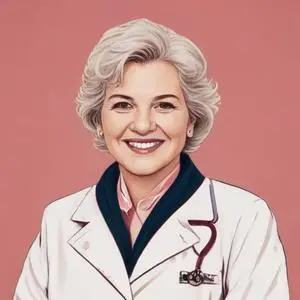
Fiona Stanley: A Pioneer in Public Health and Child Wellbeing
A Champion for Maternal and Child Health
Fiona Stanley is a renowned Australian epidemiologist, esteemed for her groundbreaking research and tireless advocacy in the fields of public health, maternal and child health, and birth disorders. Her work has significantly improved our understanding of cerebral palsy and other developmental disorders, earning her a distinguished reputation as a leading authority in her field.
Early Life and Education
Born in Little Bay, New South Wales, Stanley grew up in a family that valued education and scientific inquiry. Her father, a researcher on polio, inspired her interest in medicine, and she drew inspiration from trailblazing scientists like
Marie Curie and
Jonas Salk. The family's move to Western Australia in 1956 led to Stanley's enrollment at the University of Western Australia, where she graduated with a degree in medicine in 1970.
A Career Dedicated to Improving Health Outcomes
Stanley's early career in pediatrics took her to Princess Margaret Hospital for Children, where she worked with Aboriginal children and witnessed firsthand the devastating impact of socio-economic disparities on health outcomes. This experience sparked her passion for understanding the interplay between environment, lifestyle, and health, and she began traveling to remote communities to gather insights from Aboriginal elders. Her work in this area led to a deeper appreciation for the importance of addressing the root causes of health problems, rather than simply treating symptoms.
Founding Director of Telethon Kids Institute
In 1990, Stanley became the founding director of the Telethon Kids Institute, a position she held until 2011. During her tenure, she oversaw numerous research projects focused on improving child and maternal health, including investigations into the causes and prevention of cerebral palsy. Her leadership and vision have had a lasting impact on the institute, which continues to be a hub for innovative research and collaboration.
Awards and Honors
Stanley's contributions to public health have been recognized with numerous awards and honors, including:
- Companion of the Order of Australia (2003)
- Centenary Medal (2001)
- Florey Medal (2006)
- Western Australian Citizen of the Year (2004)
Philosophical Contributions and Beliefs
Stanley's work is underpinned by a deep commitment to social justice and a belief that every individual deserves access to quality healthcare and opportunities for healthy development. She has been a vocal advocate for evidence-based policy making and has worked tirelessly to raise awareness about the importance of investing in early childhood development.
Influence on Modern Society
Stanley's research and advocacy have had a profound impact on our understanding of child and maternal health, informing policy and practice in Australia and beyond. Her work has improved health outcomes for countless individuals and families, and her legacy continues to inspire a new generation of researchers and health professionals.
Personal Milestones and Key Life Events
Throughout her career, Stanley has been driven by a sense of purpose and a passion for making a difference. Her journey has been marked by milestones such as:
- Becoming the first woman to hold a chair in epidemiology in Australia (1990)
- Establishing the Telethon Kids Institute (1990)
- Receiving the Companion of the Order of Australia (2003)
Legacy and Impact
Fiona Stanley's remarkable career serves as a testament to the power of dedication, hard work, and a commitment to improving the human condition. As a distinguished professorial fellow at the University of Western Australia and patron of the Telethon Kids Institute, Stanley continues to inspire and empower future generations of researchers, policymakers, and health professionals. Her work has left an indelible mark on the field of public health, and her legacy will continue to inspire positive change for years to come.
FAQ
What is Fiona Stanleys contribution to the field of epidemiology?
Fiona Stanley is a renowned Australian epidemiologist who has made significant contributions to the field of epidemiology, particularly in the areas of maternal and child health. Her work has focused on the causes and prevention of birth defects and developmental disabilities.
What awards has Fiona Stanley received for her work?
Fiona Stanley has received numerous awards for her work, including the Companion of the Order of Australia, the Australian of the Year award, and the Prime Ministers Prize for Science.
What is the Fiona Stanley Hospital, and what is its significance?
The Fiona Stanley Hospital is a major teaching hospital in Perth, Western Australia, named in honor of Fiona Stanleys contributions to the field of epidemiology. The hospital is a major healthcare facility in Western Australia, providing a range of medical services to the community.
How has Fiona Stanleys work impacted public health policy in Australia?
Fiona Stanleys work has had a significant impact on public health policy in Australia, particularly in the areas of maternal and child health. Her research has informed policy initiatives aimed at reducing the incidence of birth defects and developmental disabilities.
What is Fiona Stanleys current role, and what is she working on?
Fiona Stanley is currently the Director of the Telethon Kids Institute, a leading research institute in Western Australia. She is working on various projects aimed at improving the health and wellbeing of children and families in Western Australia.