


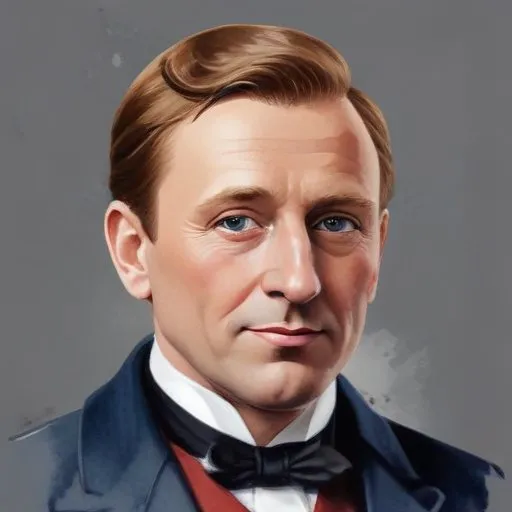
American journalist, author, and explorer who wrote about his experiences with hallucinogenic drugs, particularly hashish, in his book "The Hasheesh Eater". He's considered a pioneer in the field of drug literature.
Fitz Hugh Ludlow, a renowned American author, journalist, and explorer, is best known for his autobiographical masterpiece, The Hasheesh Eater (1857), a candid account of his experiences with hashish. This groundbreaking book cemented his reputation as a bold and innovative writer, as well as a fearless explorer of the human experience.
Born on September 11, 1836, in New York City, Ludlow grew up in a family deeply committed to social justice. His father, the Rev. Henry G. Ludlow, was an outspoken abolitionist minister who played a significant role in the Underground Railroad. This familial influence instilled in Ludlow a strong sense of empathy and a desire to challenge societal norms.
Ludlow's writing career was characterized by a sense of adventure and a passion for storytelling. His second book, The Heart of the Continent, chronicles his thrilling journeys across America, including his travels to San Francisco, Yosemite, and the forests of California and Oregon. An appendix to this book provides a fascinating glimpse into the early Mormon settlement in Utah.
In addition to his non-fiction works, Ludlow penned numerous short stories, essays, and science articles, demonstrating his remarkable versatility as a writer. His art criticism, in particular, showcases his keen eye for detail and his ability to capture the essence of a subject.
Ludlow's life was marked by his struggles with addiction, which ultimately led to his premature death at the age of 34. However, this ordeal also inspired him to become a pioneer in progressive approaches to addiction treatment and advocacy. He devoted the latter years of his life to helping those struggling with opiate addiction, often at great personal expense.
Ludlow's generosity knew no bounds, as he selflessly aided those in need, despite his own modest means. His work in this area paved the way for future generations of addiction advocates and treatment professionals.
Fitz Hugh Ludlow's contributions to American literature and his tireless advocacy for those suffering from addiction have left an indelible mark on our collective cultural heritage. His writing continues to inspire and educate readers to this day, offering a poignant reminder of the importance of empathy and compassion.
Through his work, Ludlow demonstrated an unwavering commitment to exploring the human condition in all its complexity. His life's journey serves as a powerful testament to the transformative power of storytelling and the importance of challenging societal norms.
Fitz Hugh Ludlow's remarkable life serves as a powerful reminder of the importance of empathy, compassion, and the transformative power of storytelling. His legacy continues to inspire generations of readers, writers, and advocates, ensuring that his impact will be felt for years to come.
Born in 1809
A master of dark and atmospheric storytelling, crafting haunting tales of mystery and horror that continue to captivate readers to this day.
Born in 1819
Author of epic sea tales and philosophical explorations, including the iconic "Moby-Dick", which continues to influence literature and popular culture.
Born in 1819
A celebrated poet, essayist, and journalist who revolutionized American literature with his collection "Leaves of Grass", known for his free verse style and celebration of the human spirit.
Born in 1803
A leading figure in the Transcendentalist movement, he advocated for individualism, self-reliance, and nature-inspired spirituality through his essays and poetry. His ideas continue to influence American thought and culture.
Born in 1817
A 19th-century thinker who advocated for simple living, civil disobedience, and individualism, inspiring generations to reevaluate their relationship with nature and society.
Born in 1835
Witty writer of classics like "The Adventures of Tom Sawyer" and "The Adventures of Huckleberry Finn", known for humor and social commentary.
Born in 1804
Author of dark, psychologically complex tales that explore the human condition, often set in 17th-century New England, and known for his masterpiece "The Scarlet Letter".
Born in 1830
A reclusive poet who crafted innovative, enigmatic, and emotionally charged verse that continues to captivate readers with its unique style and profound insights.
