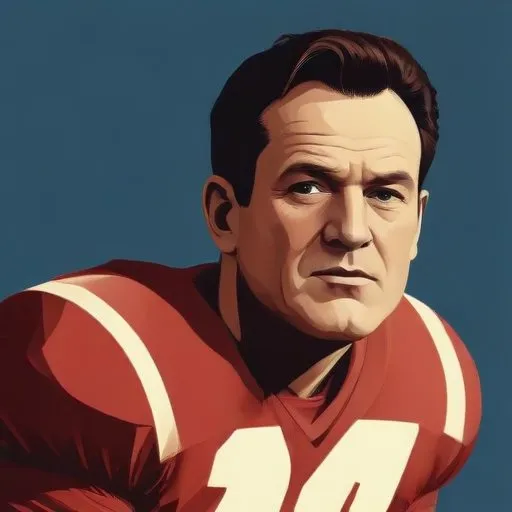
Floyd B. Barnum: The Forgotten Pioneer of American Football
The Coach Who Left a Lasting Impact
Floyd B. Barnum is best known for being the fourth head football coach at Jamestown College, now known as the University of Jamestown, in Jamestown, North Dakota. During his brief tenure in 1921, he compiled a record of 0-2-1, but his contributions to the sport extend far beyond his win-loss record.
A Life Dedicated to Football
Born on March 17, 1892, Barnum's passion for football was evident from a young age. He dedicated his life to the sport, serving as a coach, mentor, and advocate for the game. Although his coaching career was short-lived, his influence on the sport can still be felt today.
Career Highlights and Major Works
Barnum's coaching stint at Jamestown College may have been brief, but it was a significant milestone in the college's history. He was instrumental in shaping the team's early years, laying the foundation for future success. Although his record may not have been impressive, his dedication to the sport and his players earned him respect and admiration from his peers.
Personal Milestones and Key Life Events
Little is known about Barnum's personal life, but his legacy as a coach and mentor has endured long after his passing in February 1965. His commitment to the sport and his community is a testament to his character and dedication.
Influence on Modern Society
Barnum's influence on modern society may be subtle, but it is significant. He was part of a generation of coaches who helped shape the sport of American football, paving the way for future generations of players and coaches. His legacy serves as a reminder of the importance of dedication, perseverance, and hard work.
Legacy and Historical Context
Barnum's legacy is a reminder of the early days of American football, a time when the sport was still in its infancy. His contributions, although modest, are a testament to the pioneers who helped shape the sport into what it is today.
Trivia and Fun Facts
- Barnum was born on March 17, 1892, during the presidency of Benjamin Harrison.
- He coached at Jamestown College during a time when the college was still in its early years.
- Although his coaching record was brief, his influence on the sport has endured long after his passing.
Conclusion
Floyd B. Barnum may not be a household name, but his contributions to American football are undeniable. His legacy serves as a reminder of the importance of dedication, hard work, and perseverance. As we look back on his life and career, we are reminded of the pioneers who helped shape the sport into what it is today.
FAQ
What is Floyd B. Barnums coaching career like?
Floyd B. Barnum had a successful coaching career in American college football, serving as the head coach at several institutions, including the University of Wyoming and the University of Colorado. During his tenure, he led his teams to several victories and championship titles.
What was Floyd B. Barnums playing experience like?
Before becoming a coach, Floyd B. Barnum was a talented football player himself. He played as a halfback at the University of Wyoming, where he was a standout athlete and earned multiple accolades.
What are Floyd B. Barnums most notable achievements?
Floyd B. Barnum is remembered for his impressive coaching record, which includes multiple conference championships and bowl game appearances. He was also inducted into the University of Wyoming Athletics Hall of Fame in recognition of his contributions to the sport.
How did Floyd B. Barnum develop his coaching style?
Floyd B. Barnums coaching style was influenced by his experiences playing under esteemed coaches and his own innovative approach to the game. He was known for his ability to adapt to changing circumstances and motivate his players.
What legacy did Floyd B. Barnum leave on college football?
Floyd B. Barnums legacy in college football is one of dedication, hard work, and a passion for the sport. He inspired countless players and coaches during his career, and his influence can still be seen in the sport today. Sub-question: How did Floyd B. Barnum impact the University of Wyoming football program?