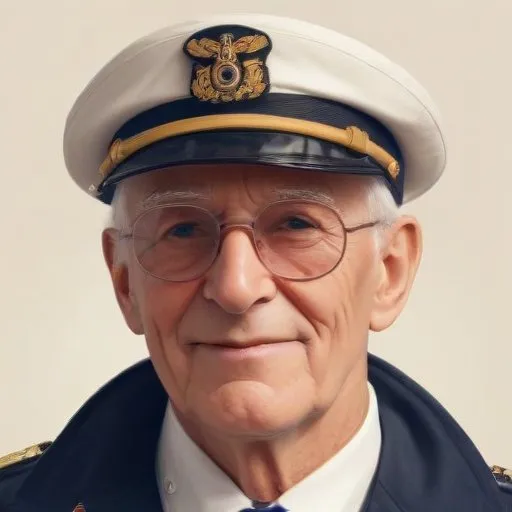
Francis Chichester: The Maverick Aviator and Solo Sailor
Around the World in 9 Months
Francis Chichester is renowned for becoming the first person to sail single-handed around the world via the clipper route, completing the journey in nine months and one day in 1966-67. This feat earned him a knighthood from Queen
Elizabeth II, cementing his status as a pioneering aviator and sailor.
Early Life and Education
Born on September 17, 1901, in Shirwell, near Barnstaple, Devon, England, Chichester was the son of a Church of England clergyman. He was sent to The Old Ride Preparatory School for boys at the age of six and later attended Marlborough College during World War I.
Early Ventures and Setbacks
At 18, Chichester emigrated to New Zealand, where he built a prosperous business in forestry, mining, and property development over the next decade. However, the Great Depression struck, and he suffered severe losses. This setback did not deter him, and he returned to England in 1929 to visit his family.
Taking to the Skies
While in England, Chichester took flying lessons at Brooklands, Surrey, and qualified as a pilot. He then acquired a de Havilland Gipsy Moth aircraft, which he intended to fly to New Zealand, hoping to break Bert Hinkler's record solo flight back to Australia on the way. Although mechanical problems prevented him from achieving the record, he completed the trip in 41 days.
Conquering the Tasman Sea
Chichester's aircraft was shipped to New Zealand, where he had it fitted with floats borrowed from the New Zealand Permanent Air Force. He went on to make the first solo flight across the Tasman Sea from East to West, flying from New Zealand to Australia. He was also the first to land an aircraft at Norfolk Island and Lord Howe Island.
Overcoming Adversity
During his journey, Chichester faced numerous challenges, including severe damage to his aircraft at Lord Howe Island. With the help of islanders, he rebuilt the aircraft himself, a testament to his determination and resourcefulness.
Award and Legacy
Chichester's remarkable achievements earned him numerous awards and honors, including his knighthood from Queen Elizabeth II. He remains an inspiration to aviators and sailors worldwide, and his legacy continues to inspire generations.
Personal Milestones and Key Life Events
- 1901: Born on September 17th in Shirwell, near Barnstaple, Devon, England
- 1917: Attended Marlborough College during World War I
- 1919: Emigrated to New Zealand at the age of 18
- 1929: Returned to England to visit his family
- 1931: Completed the first solo flight from New Zealand to Australia
- 1966-67: Sailed single-handed around the world via the clipper route
- 1972: Passed away on August 26th at the age of 70
Inspirational Quotes
"The sea, once it casts its spell, holds one in its net of wonder forever." - Francis Chichester
FAQ
What was Francis Chichesters most notable sailing achievement?
Francis Chichester is most famous for being the first person to sail solo around the world, completing his voyage in 1960-1961.
What inspired Francis Chichester to take up sailing?
Francis Chichester was inspired to take up sailing after serving as a pilot in World War I, and later became an accomplished sailor, competing in numerous transatlantic races and regattas.
How did Francis Chichester prepare for his solo circumnavigation?
Francis Chichester spent years preparing for his solo circumnavigation, developing innovative sailing techniques, designing and building his yacht, Gipsy Moth IV, and training rigorously to ensure his physical and mental preparedness.
What challenges did Francis Chichester face during his solo voyage?
Francis Chichester faced numerous challenges during his solo voyage, including rough seas, equipment failure, and physical exhaustion, but persevered to complete his historic journey.
What awards did Francis Chichester receive for his sailing achievements?
Francis Chichester received numerous awards and honors for his sailing achievements, including the Knighthood, the Blue Water Medal, and the Jules Verne Trophy.