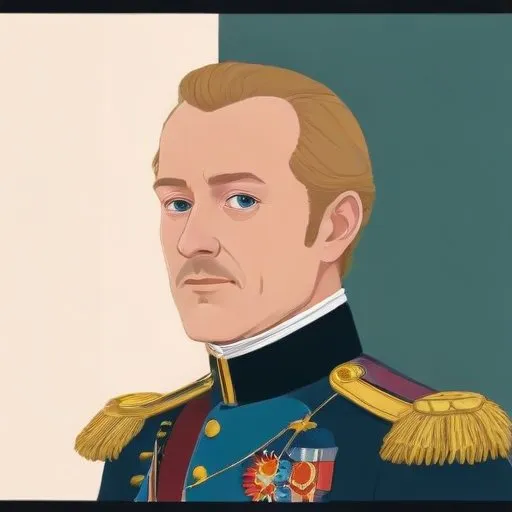
Francis II, Duke of Saxe-Lauenburg: The Master Strategist of 16th Century Politics
Known for his Military Prowess and Shrewd Diplomacy
Francis II, Duke of Saxe-Lauenburg, was a 16th-century German nobleman who left an indelible mark on the political landscape of his time. As the third son of Francis I of Saxe-Lauenburg, he defied the conventions of primogeniture to emerge as a formidable force in the region, leveraging his military acumen and diplomatic finesse to secure his place in history.
The Early Years: A Military Career in Imperial Services
Born on August 10, 1547, in Ratzeburg, Francis II embarked on a military career in imperial services, honing his skills as a commander and strategist. This experience would serve him well in his future endeavors, as he navigated the complex web of alliances and rivalries that defined the politics of his era.
The Rise to Power: Deposing Magnus II and Asserting Authority
In 1573, Francis II deposed his brother Magnus II, who had proven to be an inept and violent ruler. This bold move marked the beginning of Francis II's ascent to power, as he worked to restore stability to the region and redeem the pawned ducal demesnes. The following year, Magnus II attempted to retake the throne by force, but Francis II, aided by Duke Adolphus of Holstein-Gottorp, successfully repelled the attack.
A Savvy Politician: Consolidating Power and Managing Alliances
Francis II's strategic prowess extended beyond the battlefield, as he skillfully navigated the intricate landscape of alliances and rivalries that defined the region. In 1575, he ceded the bailiwick of Steinhorst to Adolphus of Holstein-Gottorp, securing a crucial alliance that would serve him well in the years to come. This astute move demonstrated Francis II's ability to think several steps ahead, always prioritizing the interests of his duchy.
A Legacy of Pragmatism and Foresight
Francis II's reign was marked by a commitment to pragmatism and foresight, as he worked to consolidate power and secure the future of his duchy. In 1581, his father, Francis I, recognizing his son's exceptional abilities, named Francis II his sole successor, violating the rules of primogeniture. This decision would have far-reaching consequences, setting a precedent for future generations and cementing Francis II's legacy as a visionary leader.
Personal Milestones and Key Life Events
- 1547: Born on August 10 in Ratzeburg
- 1571: Brother Magnus II inherits the throne, leading to a period of instability and conflict
- 1573: Deposes Magnus II and begins his ascent to power
- 1574: Defeats Magnus II's attempt to retake the throne
- 1575: Cedes the bailiwick of Steinhorst to Adolphus of Holstein-Gottorp
- 1581: Named sole successor by Francis I, violating the rules of primogeniture
- 1619: Dies on July 2 in Lauenburg upon Elbe
Historical Context and Legacy
Francis II's life and reign were shaped by the tumultuous landscape of 16th-century politics, marked by the Protestant Reformation, the rise of nation-states, and the ongoing struggle for power and influence. Through his military prowess, diplomatic acumen, and strategic foresight, Francis II navigated this complex environment, leaving behind a legacy that would influence the course of history for generations to come.
FAQ
What was Francis II, Duke of Saxe-Lauenburgs role in the Duchy of Saxe-Lauenburg?
Francis II, Duke of Saxe-Lauenburg was a member of the House of Ascania and the ruler of the Duchy of Saxe-Lauenburg. He played a significant role in the governance and administration of the duchy.
How did Francis II, Duke of Saxe-Lauenburg become duke?
Francis II, Duke of Saxe-Lauenburg became duke in 1586, following the death of his father, Francis I. He ruled the duchy until his own death in 1619.
What were Francis II, Duke of Saxe-Lauenburgs achievements as duke?
As duke, Francis II, Duke of Saxe-Lauenburg implemented several significant reforms, including the promotion of trade and commerce and the strengthening of the ducal army.
How did Francis II, Duke of Saxe-Lauenburg die?
Francis II, Duke of Saxe-Lauenburg died on July 10, 1619, at the age of 63, in Lauenburg, Saxe-Lauenburg. He was succeeded by his son, Augustus.
What is Francis II, Duke of Saxe-Lauenburgs legacy?
Francis II, Duke of Saxe-Lauenburgs legacy is marked by his significant contributions to the Duchy of Saxe-Lauenburg. He is remembered as a powerful and influential ruler who shaped the course of the duchy.