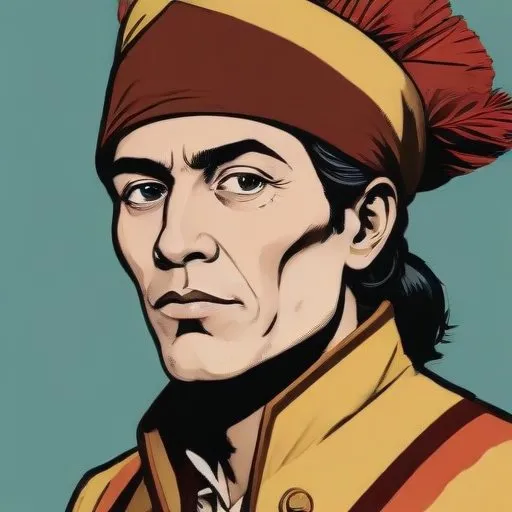
The Uncharted Paths of Francis Younghusband: Explorer, Writer, and Champion of the Unknown
A Life of Adventure and Discovery
Francis Younghusband, a British Army officer, explorer, and spiritual writer, is remembered for his daring expeditions to the Far East and Central Asia, particularly the 1904 British expedition to Tibet, which he led with unwavering determination. This trailblazing journey not only expanded the boundaries of geographical knowledge but also cemented his status as a pioneering figure in the realm of exploration.
Early Life and Influences
Born on May 31, 1863, in Murree, British India (now Pakistan), Younghusband was part of a military family with a rich history of exploration. His uncle, Lieutenant General Charles Younghusband, a British Army officer and meteorologist, and his mother's brother,
Robert Shaw, a noted explorer of Central Asia, instilled in him a sense of adventure and curiosity about the unknown. This early exposure sparked a lifelong passion for exploration, which would become the hallmark of his remarkable career.
Career Highlights and Major Works
Younghusband's military career began in 1882, when he was commissioned as a subaltern in the 1st Kings Dragoon Guards. However, it was his expeditions across Asia that truly defined his legacy. His 1886-1887 journey across the Gobi Desert, authorized by Colonel Mark Bell, was a groundbreaking feat that surveyed over 1,200 miles of uncharted territory, providing invaluable insights into the region's geography and potential threats to the British Raj.
Philosophical Contributions and Beliefs
Younghusband's writing often reflected his deep sense of spirituality and connection with nature. His book,
The Heart of a Continent, showcases his poetic prose and profound respect for the cultures he encountered. His exploration of the mystical and the unknown reveals a man driven by a quest for meaning and a deeper understanding of the human experience.
Influence on Modern Society
Younghusband's trailblazing expeditions and writings have inspired generations of explorers, writers, and thinkers. His contributions to the Royal Geographical Society, where he served as president, have helped shape our understanding of Asia and its diverse cultures. His legacy continues to captivate and inspire, reminding us of the importance of exploration, discovery, and the pursuit of knowledge.
Personal Milestones and Key Life Events
- 1876: Entered Clifton College, Bristol
- 1881: Entered the Royal Military College, Sandhurst
- 1882: Commissioned as a subaltern in the 1st Kings Dragoon Guards
- 1886-1887: Explored the Gobi Desert and Central Asia
- 1904: Led the British expedition to Tibet
- 1919: Served as president of the Royal Geographical Society
Quotes and Memorable Sayings
"I have been on many expeditions, but I have never felt so near the great unknown as I did in Tibet." — Francis Younghusband
Historical Context and Legacy
Younghusband's life and work are a testament to the era of exploration and imperialism that shaped the world in the late 19th and early 20th centuries. His expeditions, writings, and spiritual quest continue to inspire and captivate, serving as a reminder of the boundless wonders waiting to be discovered in the uncharted territories of our world.
Comparative Analysis with Contemporaries
Younghusband's contemporaries, such as
Sven Hedin and Nikolai Przhevalsky, were also esteemed explorers of Asia. However, Younghusband's unique blend of military prowess, geographical expertise, and spiritual curiosity set him apart from his peers, earning him a distinct place in the annals of exploration history.
Personal Relationships and Anecdotes
Younghusband's relationships with his family and colleagues reveal a complex, multifaceted personality. His uncle, Lieutenant General Charles Younghusband, played a significant role in shaping his early life, while his mother's influence instilled in him a deep respect for the natural world.
Awards and Honors
Younghusband received numerous accolades for his contributions to geography and exploration, including the Founder's Medal of the Royal Geographical Society in 1905.
Educational Contributions and Influence
Younghusband's writings and lectures have had a profound impact on our understanding of Asia and its cultures. His work continues to inspire and educate, encouraging new generations of explorers, writers, and thinkers to venture into the unknown.
Trivia and Fun Facts
- Younghusband was known for his exceptional horsemanship skills, which proved invaluable during his expeditions.
- He was an accomplished writer and published several books on his travels and experiences.
- Younghusband was a fellow of the Royal Society of Literature.
Inspirational Stories and Motivations
Younghusband's life is a testament to the power of determination, curiosity, and a passion for exploration. His journey serves as a beacon, inspiring us to push beyond the boundaries of our own understanding and to venture into the unknown.