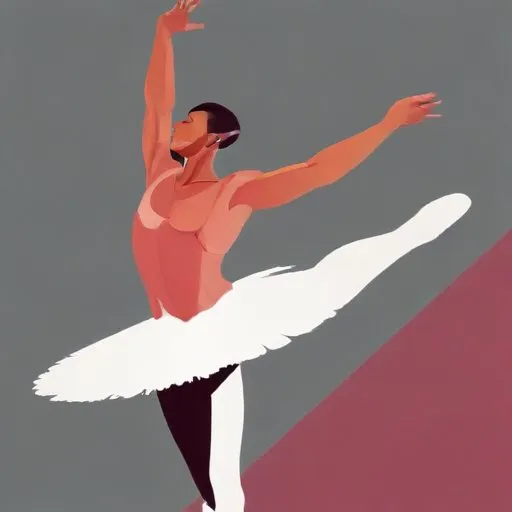
Francisco Moncion: The Dancer's Dancer
Francisco Moncion, a Dominican-born dance luminary, is best known for being one of the original members of the New York City Ballet, creating iconic roles in masterpieces by
George Balanchine,
Jerome Robbins, and other giants of the dance world. Over the course of his four-decade-long career, Moncion proved himself to be a versatile and fearless artist, leaving an indelible mark on the world of ballet.
Early Life and Training
Born on July 6, 1918, in Concepción de la Vega, Dominican Republic, Moncion's family immigrated to the United States in 1922, settling in New York City. It wasn't until he was 20 years old that he stumbled upon dance, enrolling in the School of American Ballet on a scholarship. Under the tutelage of Balanchine, Pierre Vladimiroff, and Anatole Oboukoff, Moncion underwent rigorous training, immersing himself in the Russian school of classical ballet.
War, Interrupted
Moncion's burgeoning career was put on hold when he enlisted in the U.S. Army during World War II. After two years of military service, he returned to New York, eager to resume his theatrical pursuits.
A Star is Born
Moncion's professional debut as a dancer came in 1944, when he appeared as a gypsy in the Broadway revival of
The Merry Widow, featuring choreography by Balanchine. This was followed by his first principal role with the Ballet International, where he created the title roles in
Sebastian and
Mad Tristan, the latter being a Surrealist masterpiece with designs by Salvador Dalí.
A Choreographer in His Own Right
Although Moncion is often lauded for his interpretations of Balanchine's works, he was also a talented choreographer, creating several pieces for the New York City Ballet and other companies. His unique perspective and flair for dramatic storytelling earned him a reputation as a master craftsmen of narrative ballet.
Amateur Painter, Renaissance Man
Moncion's creative talents didn't stop at dance. He was also an accomplished amateur painter, often exploring themes related to his Dominican heritage. This lesser-known aspect of his personality speaks to the boundless energy and diversity of his artistic output.
Legacy
As one of the last surviving members of the New York City Ballet's inaugural company, Moncion's contributions to the world of dance are immeasurable. He inspired generations of dancers, including renowned artists like Edward Villella and
Jacques d'Amboise, and continues to be celebrated for his unwavering dedication to the art form.
Personal Milestones and Key Life Events
- July 6, 1918: Born in Concepción de la Vega, Dominican Republic
- 1922: Immigrated to the United States with his family
- 1938: Enrolled in the School of American Ballet on a scholarship
- 1942: Appeared in the ensemble of Balanchine's Ballet Imperial
- 1944: Professional debut as a dancer in the Broadway revival of The Merry Widow
- 1944: Joined the Ballet International as a principal dancer
- April 1, 1995: Passed away, leaving behind a rich legacy in the world of dance
Trivia and Fun Facts
- Moncion was known for his ability to learn complex choreography quickly, earning him the nickname "The Dancer's Dancer."
- He was a close friend and confidant of choreographer Jerome Robbins, with whom he collaborated on several projects.
- Moncion's artistic talents extended beyond dance and painting; he was also an accomplished cook, often hosting dinner parties for his friends and colleagues.
FAQ
What was Francisco Moncions career in ballet?
Francisco Moncion was a Dominican-American ballet dancer and charter member of the New York City Ballet, known for his technical excellence and expressive stage presence.
What was Francisco Moncions experience working with George Balanchine?
Francisco Moncion worked closely with George Balanchine, one of the most influential choreographers of the 20th century, and was a principle dancer in many of his iconic works.
What roles did Francisco Moncion originate in Balanchines ballets?
Francisco Moncion originated roles in some of Balanchines most famous ballets, including Symphony in C and Orpheus, and was a key interpreter of the choreographers neoclassical style.
What was Francisco Moncions impact on the development of American ballet?
Francisco Moncions work with Balanchine and the New York City Ballet helped establish American ballet as a major force in the global dance community, paving the way for future generations of dancers and choreographers.
What awards and recognition did Francisco Moncion receive?
Francisco Moncion received numerous awards and recognition for his contributions to ballet, including the Dance Magazine Award and a honorary doctorate from the Juilliard School.