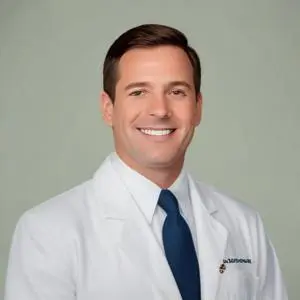
Frank Jobe: The Pioneering Orthopedic Surgeon Who Revolutionized Sports Medicine
A Legacy of Innovation and Excellence
Frank Jobe, a renowned American orthopedic surgeon, is best known for pioneering elbow ligament replacement and reconstructive shoulder surgery for baseball players. His groundbreaking work has had a profound impact on the sports medicine field, earning him a permanent place in the hearts of athletes and sports enthusiasts alike.
Early Life and Education
Born on July 16, 1925, in Greensboro, North Carolina, Jobe's journey to becoming a pioneering surgeon was marked by determination and hard work. After graduating from Collegedale Academy in 1943, he enlisted in the United States Army and served as a medical staff sergeant in the 101st Airborne Division during World War II. His wartime experiences, including being a glider pilot and a prisoner of war, earned him the Bronze Star Medal, Combat Medical Badge, and Glider Badge with one star.
A Career of Firsts
After the war, Jobe enrolled in Southern Missionary College using the G.I. Bill. He went on to earn his bachelor's degree from La Sierra University and later received his MD from Loma Linda University in 1956. Following a residency in orthopedic surgery at the Los Angeles County Hospital, Jobe began consulting with the Los Angeles Dodgers in 1964. This marked the beginning of his illustrious career in sports medicine.
The Birth of Modern Sports Medicine
Jobe's partnership with Robert Kerlan led to the co-founding of the Southwestern Orthopaedic Medical Group in 1965, later renamed the Kerlan-Jobe Orthopaedic Clinic. This pioneering institution became a hub for athletes seeking innovative treatments and rehabilitation. Jobe's work with the Dodgers and other sports teams paved the way for the development of modern sports medicine.
The Tommy John Surgery
In 1974, Jobe performed the first
Tommy John surgery on Los Angeles Dodgers pitcher Tommy John. This revolutionary procedure, which replaced a damaged elbow ligament with a healthy tendon, has since become a standard treatment for baseball players. An estimated one-third of all major league pitchers have undergone this surgery, a testament to Jobe's innovative spirit.
Trailblazing Shoulder Surgery
In 1990, Jobe performed the first major reconstructive shoulder surgery on a big league player, allowing Los Angeles Dodgers star
Orel Hershiser to continue his career. This pioneering work has had a lasting impact on the treatment of shoulder injuries in athletes.
Awards and Honors
Throughout his career, Jobe received numerous awards and honors for his contributions to sports medicine. He was inducted into the National Baseball Hall of Fame and Museum in 2013, a fitting tribute to his life's work.
Legacy and Impact
Frank Jobe's legacy extends far beyond his remarkable surgical skills. He inspired a generation of orthopedic surgeons and sports medicine professionals, leaving behind a wealth of knowledge and innovative techniques. His tireless commitment to athletes and his passion for advancing sports medicine have left an indelible mark on the world of sports.
Personal Milestones and Key Life Events
- 1925: Born in Greensboro, North Carolina
- 1943: Graduated from Collegedale Academy
- 1943-1945: Served in World War II as a medical staff sergeant in the 101st Airborne Division
- 1956: Received MD from Loma Linda University
- 1964: Began consulting with the Los Angeles Dodgers
- 1965: Co-founded the Southwestern Orthopaedic Medical Group with Robert Kerlan
- 1974: Performed the first Tommy John surgery on Tommy John
- 1990: Performed the first major reconstructive shoulder surgery on Orel Hershiser
- 2013: Inducted into the National Baseball Hall of Fame and Museum
- 2014: Passed away on March 6
Frank Jobe's remarkable journey serves as a testament to his unwavering dedication to improving the lives of athletes and advancing the field of sports medicine. His groundbreaking work will continue to inspire future generations of medical professionals and athletes alike.
FAQ
What was Frank Jobes role in the development of Tommy John surgery?
Frank Jobe was an American sergeant and surgeon who developed the revolutionary Tommy John surgery in 1974, which enabled athletes to recover from elbow ligament injuries.
What was Frank Jobes experience as a surgeon?
Frank Jobe was a skilled surgeon with extensive experience in orthopedic surgery, particularly in treating injuries related to sports and athletics.
How did Frank Jobes work impact the field of sports medicine?
Frank Jobes development of Tommy John surgery has had a profound impact on the field of sports medicine, allowing countless athletes to return to their sports after suffering from elbow ligament injuries.
What awards did Frank Jobe receive for his contributions?
Frank Jobe received numerous awards and honors for his contributions to sports medicine, including the American Academy of Orthopaedic Surgeons (AAOS) highest honor, the Kappa Delta Award.
How did Frank Jobes work affect the career of Tommy John?
Frank Jobes development of Tommy John surgery enabled Tommy John, a Hall of Fame pitcher, to return to baseball and continue his successful career, which otherwise would have been cut short by injury.